Lawn mowing is more than just a chore; it’s an essential practice for maintaining a healthy, lush, and attractive lawn.
Whether you’re a new homeowner or a seasoned gardener, understanding the basics of lawn mowing can make a significant difference in the appearance and health of your grass.
This guide will cover everything you need to know about lawn mowing, from choosing the right mower to mastering the perfect mowing technique.
Choosing the Right Lawn Mower
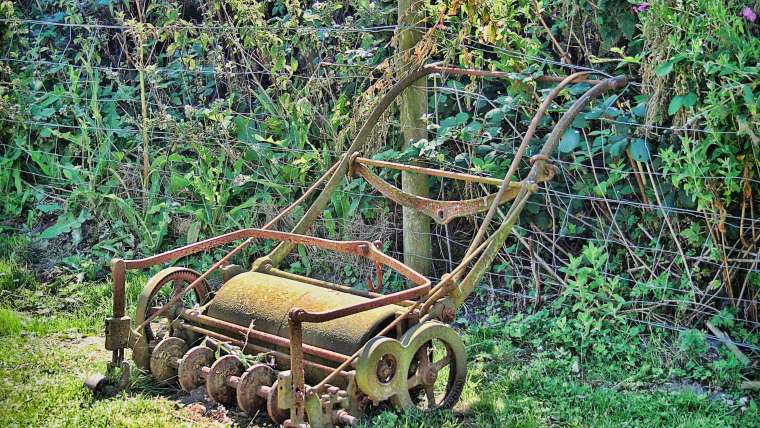
Selecting the right lawn mower depends on the size of your lawn and the terrain you need to cover. For small, flat lawns, a manual reel mower offers an eco-friendly option with a clean, precise cut, though it requires more physical effort.
Medium to large lawns with uneven terrain might benefit from a rotary mower, which can be powered by electricity or gas for more efficient mowing.
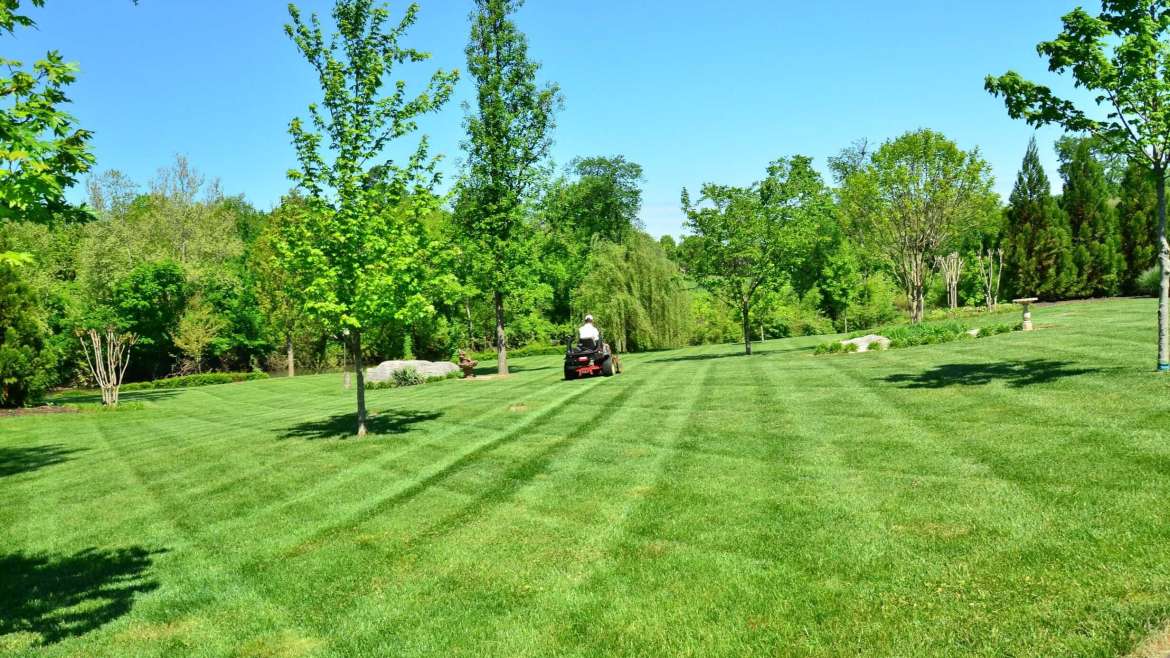
If you have a large lawn, a ride-on mower can save time and energy, making it a worthwhile investment. For a hands-off approach, robotic mowers offer convenience by autonomously maintaining your lawn, though they come at a higher cost. Check out our detailed guide regarding choosing and maintaining the right lawn mower.
Lawn Mowing Frequency

How often you should mow your lawn depends on the type of grass and the time of year. Generally, grass should be mowed once a week during the growing season, which typically falls in spring and summer.
However, some grasses, like Bermuda and Zoysia, may require mowing more frequently. In cooler months, you can reduce the frequency as growth slows down.
The One-Third Rule
One of the most important rules in lawn mowing is the “one-third rule.” This guideline suggests that you should never cut more than one-third of the grass blade’s length in a single mowing session. Cutting too much at once can stress the grass, leading to brown patches and weak roots.
Mowing Height
The optimal mowing height varies depending on the type of grass. For most lawns, maintaining a height of 2.5 to 3 inches is ideal. Taller grass promotes deeper root growth, improves drought resistance, and shades the soil, helping to prevent weed growth.
- Cool-Season Grasses: Kentucky bluegrass, fescue, and ryegrass should be kept at 2.5 to 3.5 inches.
- Warm-Season Grasses: Bermuda grass, Zoysia, and St. Augustine grass thrive at 1 to 2 inches.
Adjust your mower’s cutting height according to the season. In hotter months, a slightly higher cut can help the grass retain moisture.
Mowing Techniques
Proper mowing techniques can significantly impact the health of your lawn.
- Alternate Mowing Patterns: Change your mowing pattern each time you mow to prevent soil compaction and create a more even cut. Mowing in the same direction repeatedly can cause ruts and uneven patches.
- Mow When Grass is Dry: Wet grass can clump and clog your mower, leading to an uneven cut. It’s best to mow when the grass is dry to ensure a clean, even trim.
- Sharpen Your Blades: Dull mower blades tear the grass rather than cut it cleanly, which can lead to brown tips and increased susceptibility to disease. Sharpen your blades regularly for the best results.
- Leave Grass Clippings: Mulching your lawn by leaving grass clippings on the lawn can return valuable nutrients to the soil. If the clippings are too long, however, they may need to be removed to avoid smothering the grass.
Lawn Mowing Safety
Safety should always be a priority when mowing the lawn.
- Wear Protective Gear: Always wear closed-toe shoes, eye protection, and ear protection, especially when using gas-powered mowers.
- Clear the Lawn: Remove any debris, rocks, or toys from the lawn before mowing to prevent accidents.
- Avoid Slopes: Be cautious when mowing on slopes or uneven terrain. Mow across the slope rather than up and down to reduce the risk of tipping.
Common Lawn Mowing Mistakes
Avoid these common mistakes to keep your lawn looking its best:
- Mowing Too Short: Cutting the grass too short (scalping) can weaken the grass, making it more susceptible to weeds, pests, and diseases.
- Mowing with Dull Blades: Dull blades can damage the grass, leading to an unhealthy lawn. Keep your blades sharp for a clean cut.
- Ignoring the One-Third Rule: Cutting off too much grass at once can shock the grass, causing brown spots and slowing growth.
Lawn Mowing FAQ
It’s not advisable to mow your lawn when it’s wet. Wet grass can clump together, causing an uneven cut, and can also lead to mower damage or accidents due to slippery conditions.
Mowing during the hottest part of the day can stress your grass, causing it to brown more easily. It’s better to mow in the morning or late afternoon when the temperatures are cooler.
Leaving grass clippings on the lawn (also known as mulching) is beneficial as they return nutrients to the soil. However, if the clippings are too long or the grass is wet, it may be better to bag them to avoid creating thatch or clumps.
If your lawn has uneven spots, try adjusting the mowing height to avoid scalping the high spots. You can also top-dress the low areas with soil or sand and reseed them.
Mowing over leaves can help mulch them into the lawn, providing extra nutrients. However, if there’s a thick layer of leaves, it’s better to rake them first to avoid suffocating the grass.
Sign up to get our FREE weekly emails
Gardening guides, tips, & videos delivered right to your inbox!