

Planting plants that attract beneficial insects is crucial in organic gardening because these insects act as natural pest controllers, reducing the need for chemical pesticides.
Beneficial insects, such as ladybugs, bees, and predatory wasps, help manage harmful pests like aphids and caterpillars by preying on them or assisting in pollination, which improves crop yield.
By fostering a habitat that supports these insects, gardeners can create a more balanced ecosystem, leading to healthier plants and more sustainable gardening practices.
Moreover, this approach promotes biodiversity, ensuring a resilient garden that can better withstand environmental stressors.
Best Plants to Attract Beneficial Insects
Creating a thriving, healthy garden isn’t just about the plants you choose to grow; it’s also about the beneficial insects you invite into your space. These insects can help pollinate your plants, control pests, and create a balanced ecosystem.
Here’s a guide to the top 10 plants that will attract beneficial insects to your garden and help you cultivate a more resilient and productive outdoor space.
1. Yarrow (Achillea millefolium)
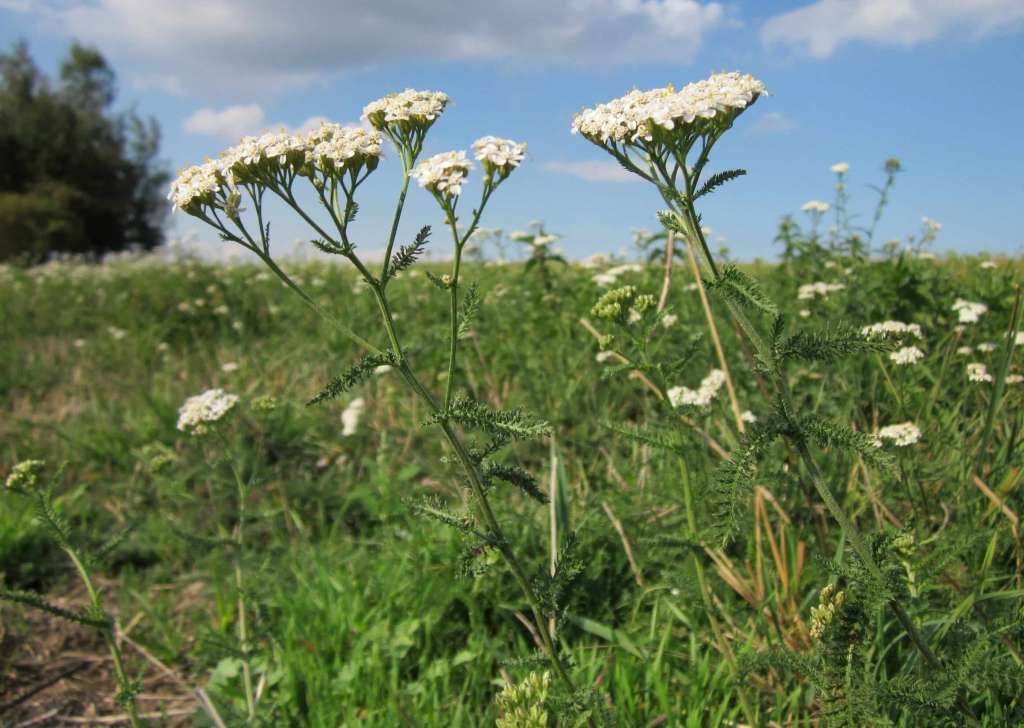
Yarrow is a powerhouse in the garden, attracting a variety of beneficial insects like ladybugs, lacewings, and parasitic wasps. Its clusters of tiny flowers provide a rich source of nectar and pollen, while its fern-like foliage adds a lovely texture to your garden.
Growing Tip: Yarrow thrives in well-drained soil and full sun but can tolerate poor soils and drought conditions. To encourage bushier growth, trim the plant back after the first bloom. Check out our step-by-step guide to growing yarrow.
2. Lavender (Lavandula spp.)
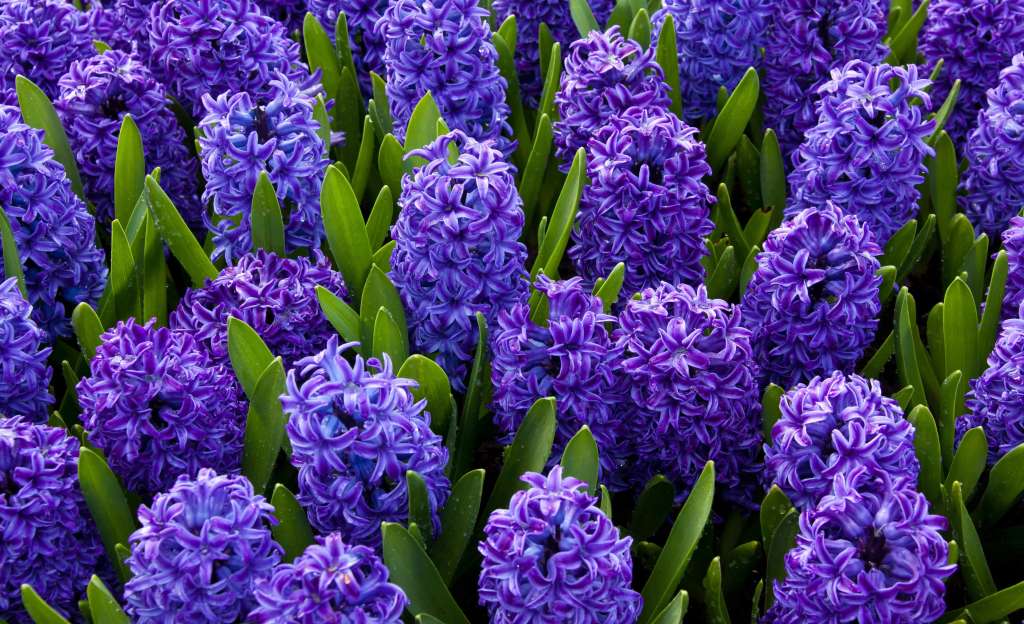
Lavender is well-known for its soothing fragrance and beautiful purple blooms, but it’s also a magnet for pollinators such as bees and butterflies. Additionally, lavender attracts predatory insects like hoverflies and parasitic wasps that help control aphid populations.
Growing Tip: Plant lavender in well-drained soil with full sun exposure to prevent root rot. Prune it annually to maintain its shape and promote healthy growth. Check out our step-by-step guide to growing lavender.
3. Marigolds (Tagetes spp.)
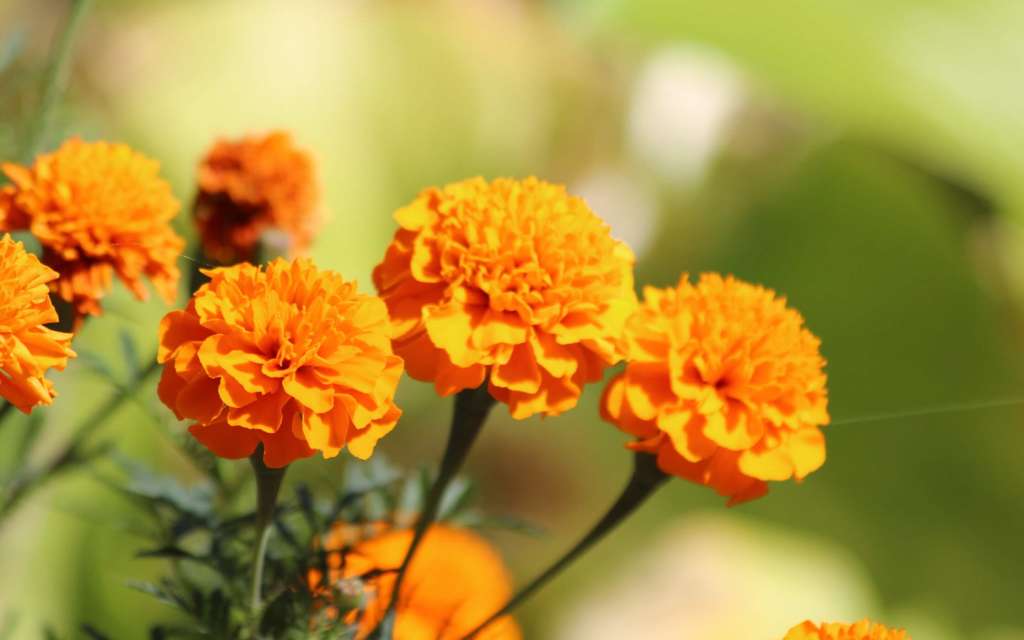
Marigolds are not only bright and cheerful but also incredibly effective at attracting beneficial insects. These annual flowers emit a scent that repels pests like nematodes while drawing in pollinators and predatory insects like ladybugs.
Growing Tip: Marigolds prefer well-drained soil and full sun. Deadhead spent flowers regularly to encourage continuous blooming throughout the growing season. Check out our step-by-step guide to growing marigolds.
4. Sunflower (Helianthus annuus)

Sunflowers are a classic garden favorite, and for good reason. Their towering stalks and large, vibrant flowers attract a variety of pollinators, including bees, butterflies, and beetles.
Sunflowers also provide a habitat for beneficial insects like ladybugs, which can help keep aphids and other pests in check.
Growing Tip: Sunflowers grow best in full sun and rich, well-drained soil. Stake taller varieties to prevent them from falling over in strong winds. Check out our step-by-step guide to growing sunflowers.
5. Fennel (Foeniculum vulgare)
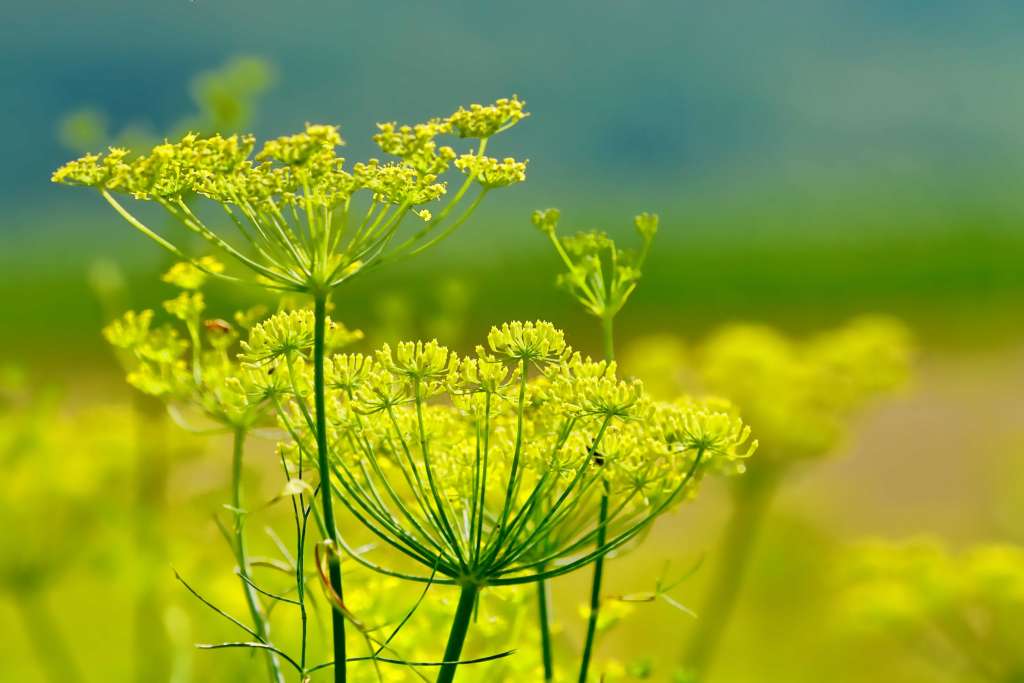
Fennel is a dual-purpose plant that serves as both an herb and an insect attractor. Its umbrella-shaped flower clusters are particularly attractive to predatory wasps, hoverflies, and ladybugs.
These insects are natural predators of many garden pests, making fennel an excellent addition to your garden.
Growing Tip: Fennel prefers full sun and well-drained soil. Be aware that it can self-seed prolifically, so consider deadheading flowers before they set seed if you want to control its spread. Check out our step-by-step guide to growing fennel.
6. Borage (Borago officinalis)
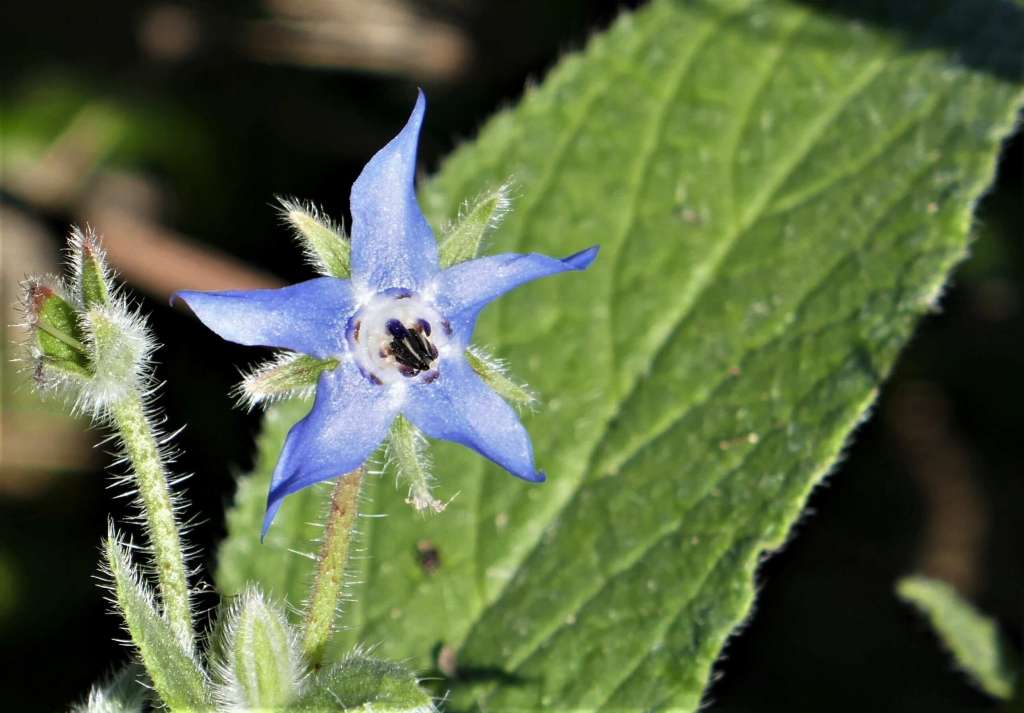
Borage is an herb that’s often grown for its star-shaped blue flowers, which are beloved by bees and other pollinators. In addition to attracting pollinators, borage is known to deter pests like tomato hornworms.
Growing Tip: Borage thrives in well-drained soil and full sun but can tolerate partial shade. It’s a self-seeding annual, so leave some flowers to set seed if you want it to return the following year. Check out our step-by-step guide to growing borage.
7. Dill (Anethum graveolens)
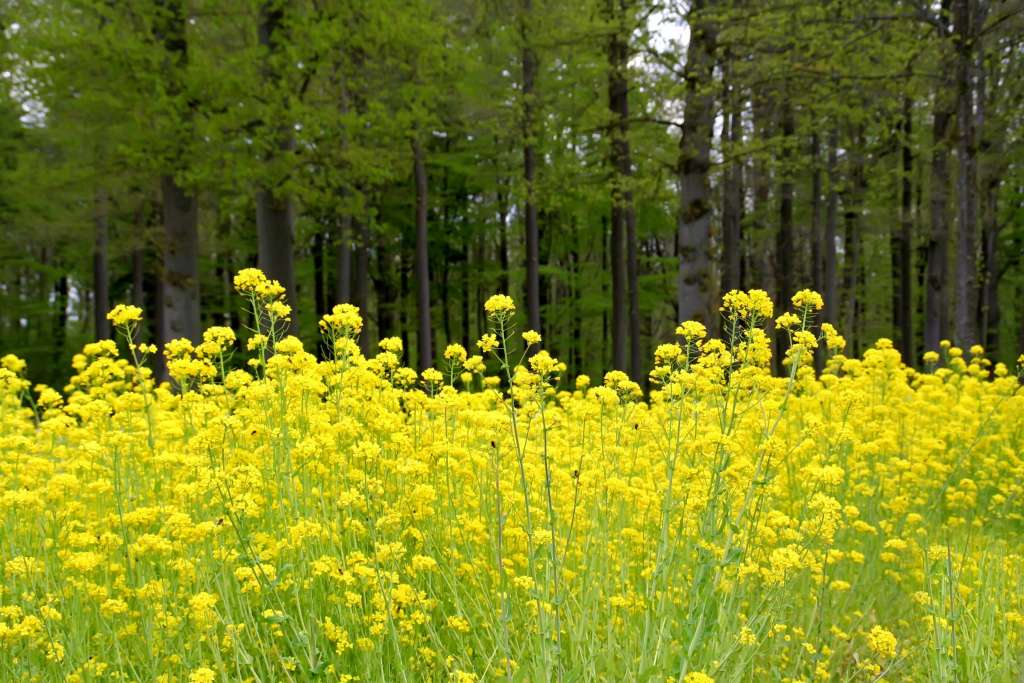
Dill is another herb that plays a vital role in attracting beneficial insects to the garden. Its delicate yellow flowers are particularly appealing to predatory insects like lacewings and parasitic wasps, which prey on caterpillars and aphids.
Dill is also a favorite of swallowtail butterfly caterpillars, making it a great choice for butterfly enthusiasts.
Growing Tip: Dill grows best in full sun with well-drained soil. It can be prone to bolting in hot weather, so consider planting it in early spring or fall for best results. Check out our step-by-step guide to growing dill.
8. Cosmos (Cosmos bipinnatus)

Cosmos is a low-maintenance annual that produces an abundance of daisy-like flowers throughout the growing season. These flowers attract a wide range of beneficial insects, including bees, hoverflies, and predatory beetles.
Growing Tip: Cosmos thrives in full sun and can tolerate poor soil conditions, which often result in better flowering. Deadhead regularly to extend the blooming period. Check out our step-by-step guide to growing Cosmos.
9. Goldenrod (Solidago spp.)
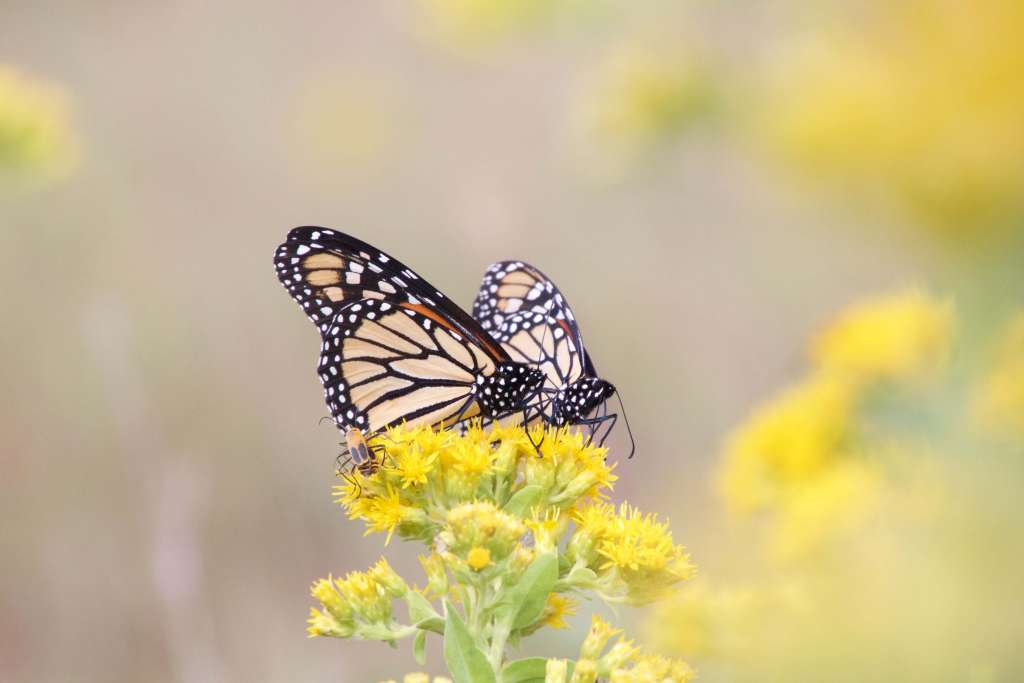
Goldenrod is often mistaken for causing hay fever, but it’s actually a beneficial plant for attracting insects. Its bright yellow flowers bloom late in the season, providing a crucial food source for pollinators and predatory insects when other flowers have faded.
Growing Tip: Goldenrod grows well in full sun to partial shade and can thrive in various soil types, including clay. Cut back spent flowers to prevent self-seeding if you want to control its spread. Check out our step-by-step guide to growing goldenrod.
10. Sweet Alyssum (Lobularia maritima)
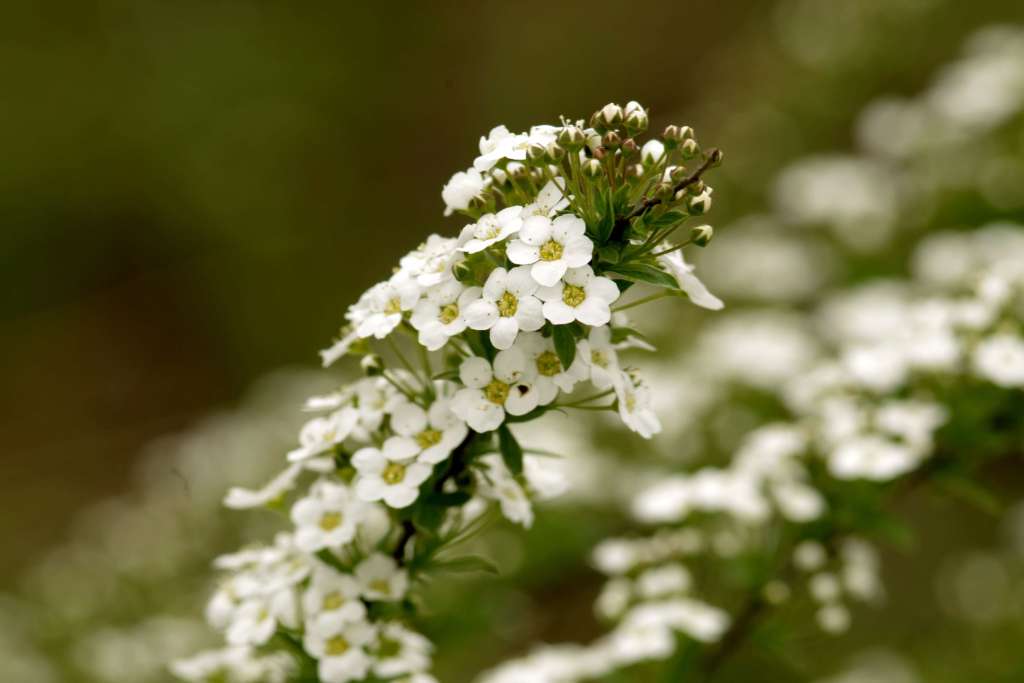
Sweet Alyssum is a low-growing plant that produces clusters of tiny white, pink, or purple flowers with a sweet fragrance.
This plant is excellent for attracting hoverflies and parasitic wasps, which are natural enemies of aphids and other garden pests.
Growing Tip: Sweet Alyssum prefers full sun to partial shade and well-drained soil. It can be grown as a ground cover or in containers and may self-seed if left to flower. Check out our step-by-step guide to growing Sweet Alyssum.
Final Thoughts
By incorporating these top 10 plants into your garden, you’ll not only enjoy a more beautiful and diverse space but also benefit from the natural pest control and pollination services provided by beneficial insects.
Creating a garden that supports these insects is a step toward a healthier, more sustainable environment that rewards you with bountiful harvests and vibrant blooms.
Whether you’re a seasoned gardener or just starting out, these plants are easy to grow and will make a significant impact on the health and productivity of your garden.
Happy gardening!
Sign up to get our FREE weekly emails
Gardening guides, tips, & videos delivered right to your inbox!


