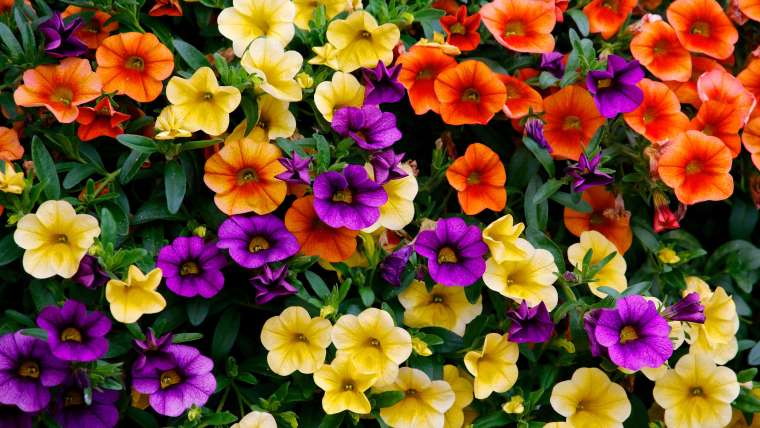
Sweet Alyssum is a charming and versatile plant known for its delicate clusters of tiny, fragrant flowers that blanket gardens in shades of white, pink, and lavender.
This low-growing annual or perennial thrives in full sun to partial shade and is beloved for its ability to attract beneficial insects like bees and butterflies.
Sweet Alyssum is often used as ground cover, in borders, or as a filler in containers, thanks to its fast growth and ability to thrive in various soil conditions.
Its sweet, honey-like fragrance and easy care make it a favorite among gardeners looking to add a touch of elegance and aroma to their outdoor spaces.
How to Grow Sweet Alyssum

Growing Sweet Alyssum in your garden adds a touch of delicate beauty and attracts beneficial pollinators throughout the season.
Planting Sweet Alyssum
- Location and Soil: Choose a location with full sun to partial shade. Sweet Alyssum thrives in well-draining soil, with a preference for slightly acidic to neutral pH (6.0-7.0). It can tolerate poor soil conditions but performs best in soil enriched with compost.
- Sowing Seeds: You can directly sow Sweet Alyssum seeds outdoors after the last frost, or start them indoors 6-8 weeks before the last frost date. Scatter the seeds on the soil surface and lightly press them in without covering, as they need light to germinate.
- Spacing: Space the seeds or seedlings about 6-12 inches apart to allow proper air circulation and growth.
Growing Sweet Alyssum
- Watering: Water regularly, keeping the soil evenly moist but not waterlogged. Sweet Alyssum is relatively drought-tolerant but benefits from consistent moisture.
- Fertilizing: While not heavy feeders, you can apply a balanced, slow-release fertilizer at planting time. For continuous blooms, consider light feeding every 4-6 weeks.
- Pruning: To encourage bushier growth and continuous blooming, trim back the plants by about one-third after the initial flowering.
Harvesting Sweet Alyssum
- Bloom Time: Sweet Alyssum blooms from late spring through fall. The flowers are tiny, fragrant, and typically white, though some varieties come in shades of purple, pink, or yellow.
- Harvesting Flowers: You can snip flowers for fresh arrangements when they are fully open. For dried arrangements, cut stems when the flowers are just beginning to open and hang them upside down in a cool, dry place.
- Seed Saving: Allow some flowers to go to seed. Once the seed pods are dry and brown, collect them for future planting.
Tips for Success
- Companion Planting: Sweet Alyssum is an excellent companion plant, attracting beneficial insects like pollinators and predatory insects that help control pests.
- Pest and Disease Control: Generally pest-free, but watch for aphids and downy mildew in humid conditions. Ensure good air circulation and avoid overhead watering to prevent disease.
Sweet Alyssum Growing Zone
Sweet Alyssum (Lobularia maritima) is a versatile flowering plant that thrives in USDA hardiness zones 5 through 9. It can be grown as an annual in cooler climates (zones 3-4) and as a perennial in warmer zones (10-11).
In the ideal growing zones (5-9), it will bloom from spring to frost, providing a beautiful and fragrant ground cover.
FAQ
Sweet Alyssum can be planted in early spring after the last frost, or in the fall in warmer climates. It grows quickly and can bloom throughout the growing season.
Scatter the seeds directly on the soil surface and press them lightly into the soil. Sweet Alyssum seeds need light to germinate, so avoid covering them with soil. Water gently and keep the soil moist until germination.
Sweet Alyssum prefers consistent moisture but can tolerate short periods of drought. Water regularly, especially during dry spells, but avoid overwatering, as the plant is susceptible to root rot.
Sweet Alyssum can be grown indoors in bright light. It may not bloom as prolifically indoors as it does outside, but it can add a pleasant fragrance to your home.
Sweet Alyssum is typically grown as an annual in most climates. In milder regions (zones 9-11), it can act as a short-lived perennial.
Yes, Sweet Alyssum is known to attract bees, butterflies, and other pollinators, making it a great addition to a pollinator-friendly garden.
Sweet Alyssum can tolerate light frost but will die back in freezing temperatures. In frost-prone areas, it’s best planted in spring or fall.
Sign up to get our FREE weekly emails
Gardening guides, tips, & videos delivered right to your inbox!