

Fennel is a versatile and aromatic herb with a slightly sweet, licorice-like flavor, often used in culinary dishes around the world.
The bulb, stalks, and feathery fronds of the fennel plant are all edible and can be incorporated into a variety of recipes, from salads and soups to roasts and stews.
In addition to its culinary uses, fennel is also valued for its potential health benefits, such as aiding digestion and reducing inflammation.
Its distinctive taste adds a refreshing and unique touch to both savory and sweet dishes, making it a popular choice among chefs and home cooks alike.
How to Grow Fennel
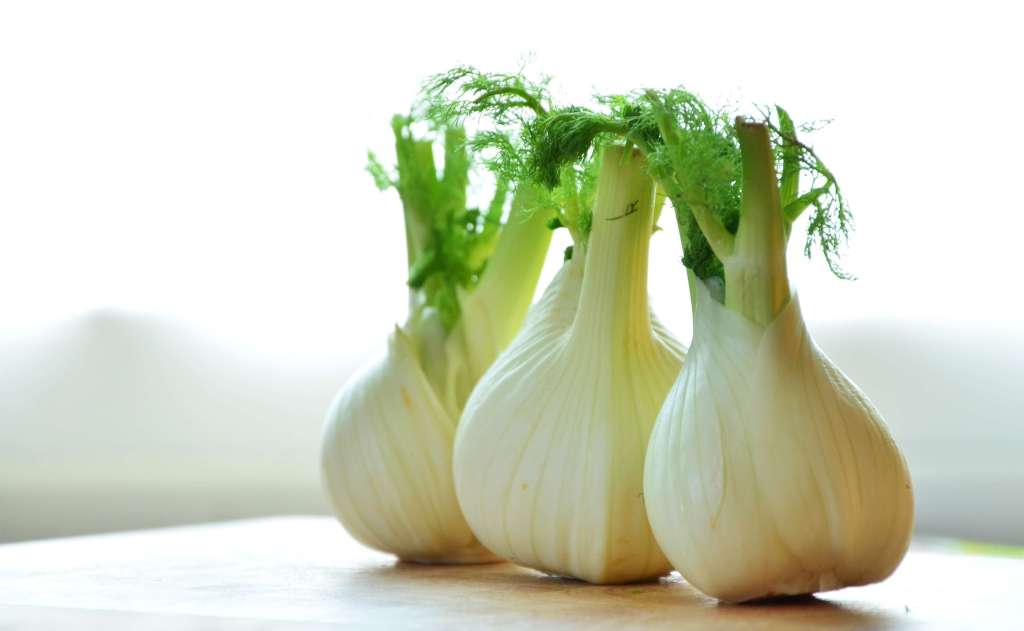
Growing fennel can be a rewarding experience. Below is a step-by-step guide to help you through the process.
Choosing the Right Variety
- Florence Fennel (Foeniculum vulgare var. azoricum): This type is grown for its bulb-like stem base.
- Herb Fennel (Foeniculum vulgare): This type is grown mainly for its leaves and seeds.
Planting Fennel
- Location: Choose a sunny location with well-drained soil. Fennel prefers soil with a pH between 6.0 and 7.0.
- Timing: Plant fennel seeds in early spring after the last frost or in late summer for a fall harvest.
- Spacing: Sow seeds about 1/4 inch deep and 12 inches apart. If growing Florence fennel, space rows about 18 inches apart to allow room for the bulbs to form.
- Watering: Keep the soil consistently moist but not waterlogged. Water regularly, especially during dry periods.
Caring for Fennel
- Thinning: Once the seedlings are a few inches tall, thin them out to maintain proper spacing.
- Weeding: Keep the area around the fennel free of weeds to reduce competition for nutrients and water.
- Feeding: Fennel doesn’t require heavy feeding, but you can add compost or a balanced fertilizer during the growing season to encourage healthy growth.
Growing Tips
- Companion Planting: Fennel can inhibit the growth of some other plants, so avoid planting it near dill, cilantro, or tomatoes. However, it can attract beneficial insects like ladybugs and lacewings.
- Pest Control: Fennel is generally pest-resistant, but watch for aphids or slugs. Use organic methods like neem oil or diatomaceous earth if needed.
Harvesting Fennel
- Bulbs: For Florence fennel, harvest the bulbs when they are about 3-4 inches in diameter. Cut the bulb from the base, leaving some stalks attached.
- Leaves: Harvest fennel leaves anytime during the growing season for use in salads, soups, or as a garnish.
- Seeds: Allow the flower heads to dry on the plant, then cut them and place them in a paper bag. Shake the bag to release the seeds, which can be used as a spice.
Storing Fennel
- Bulbs: Store fennel bulbs in the refrigerator for up to a week. They can also be blanched and frozen for longer storage.
- Seeds: Store dried fennel seeds in an airtight container in a cool, dark place for up to a year.
Using Fennel
- Culinary Uses: Fennel bulbs can be eaten raw or cooked. The seeds are used as a spice, and the leaves can be used like dill in various dishes.
- Medicinal Uses: Fennel has been used traditionally to aid digestion and as a remedy for colds and respiratory issues.
Fennel Growing Zone
Fennel (Foeniculum vulgare) is a versatile herb that thrives in a variety of climates. It typically grows best in USDA Hardiness Zones 4 through 9.
- Zone 4-6: Fennel can be grown as a perennial, but it may need some protection during harsh winters.
- Zone 7-9: It can be grown as a perennial with less risk of winter damage. These warmer zones are ideal for fennel as it prefers sunny locations with well-draining soil.
Growing Fennel FAQ
Start by sowing the seeds directly in well-draining soil after the last frost. Sow the seeds about 1/4 inch deep and space them about 12-18 inches apart, as fennel plants need room to grow. Keep the soil consistently moist until the seeds germinate, which usually takes about 7-14 days.
Yes, fennel can be grown in pots, but choose a deep pot (at least 12 inches) to accommodate the plant’s taproot. Ensure the container has good drainage.
Fennel is a unique herb that tends to inhibit the growth of many plants due to the chemicals it releases, making companion planting with fennel challenging. However, it can still coexist with a few select plants. Dill, for instance, is one of the few herbs that can tolerate fennel’s presence. Certain flowering plants like calendula and coriander can also grow nearby without being affected by fennel.
Yes, fennel (Foeniculum vulgare) can grow wild in various regions, particularly in areas with a Mediterranean climate. It’s a hardy, perennial herb that thrives in well-drained soils and can often be found along roadsides, fields, and coastal areas.
Space fennel plants about 12-18 inches apart to allow enough room for bulb development in Florence fennel and to avoid overcrowding in herb fennel.
To prevent this, plant fennel in cooler weather, provide consistent moisture, and use mulch to keep the roots cool.
Sign up to get our FREE weekly emails
Gardening guides, tips, & videos delivered right to your inbox!


