

Growing turnips in containers offers several advantages, particularly for those with limited garden space or poor soil conditions. Containers provide full control over the soil quality, ensuring the optimal environment for healthy root development. This method allows gardeners to select nutrient-rich, well-draining potting mixes, reducing the risk of soil-borne diseases and pests that can often affect turnips in open ground.
In addition to all of that, containers can be strategically placed to take advantage of sunlight, ensuring the plants receive the 6-8 hours of direct sunlight they need for robust growth. This flexibility also means that turnips can be grown on patios, balconies, or rooftops, making them accessible to urban gardeners and those with small living spaces.
Another significant benefit of container gardening is the ease of maintenance and harvesting. Weeds are far less likely to invade container-grown plants, reducing the need for frequent weeding. Turnips grown in containers are also less prone to pest infestations, such as root maggots or aphids, due to the elevated and isolated environment.
Furthermore, containers can be moved indoors or to sheltered areas during extreme weather conditions, extending the growing season and protecting the crop from frost. The compact and organized nature of container gardening simplifies the harvesting process, making it easy to pull up mature turnips without disturbing nearby plants. This method not only ensures a productive yield but also supports a cleaner, more manageable gardening experience.
Growing Turnips in Pots
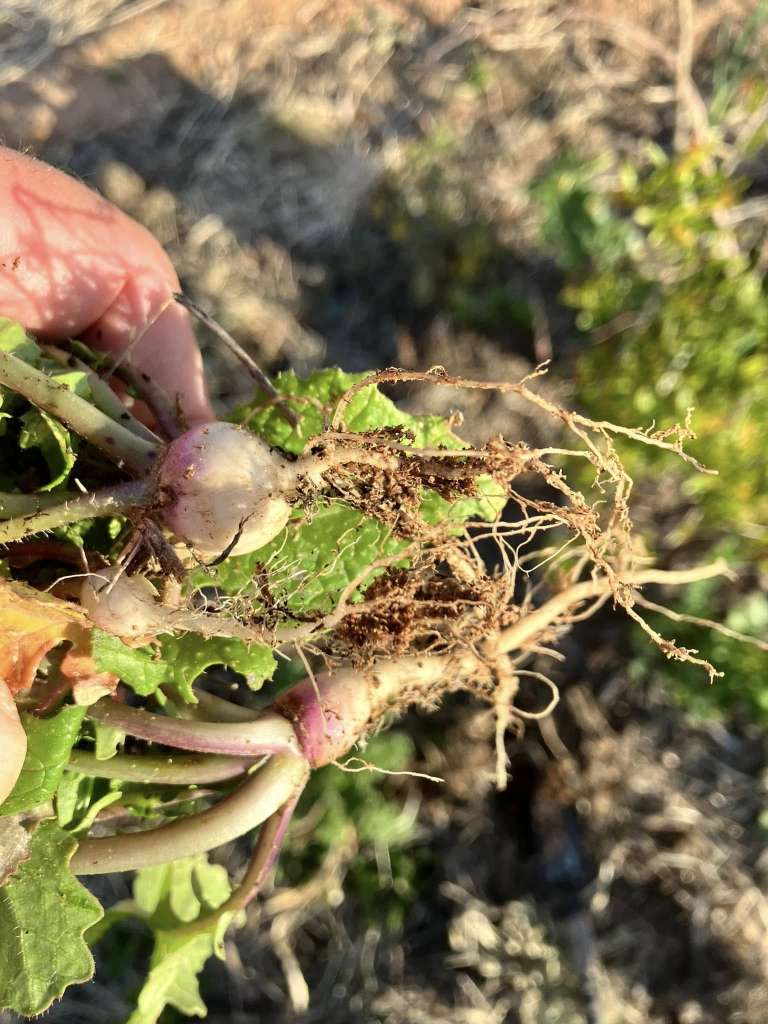
Turnips are quick-growing, nutritious, and versatile vegetables that can be easily grown in containers. Both the roots and the leafy greens are edible and offer numerous health benefits. This guide will walk you through everything you need to know to grow turnips successfully in containers.
1. Choosing the Right Turnip Variety
For container gardening, select small to medium-sized turnip varieties that mature quickly. Some excellent choices include:
- ‘Purple Top White Globe’ – Classic, fast-growing variety.
- ‘Tokyo Cross’ – A hybrid that matures quickly and has a smooth texture.
- ‘Golden Ball’ – Yellow-fleshed with a sweet flavor.
- ‘Hakurei’ – A mild, tender white variety suitable for raw consumption.
2. Selecting the Right Container
- Size: Use a container that is at least 12 inches deep and 12 inches wide. This allows sufficient space for root development.
- Material: Plastic, ceramic, metal, or wooden containers all work well.
- Drainage: Ensure the container has multiple drainage holes at the bottom to prevent waterlogging.
3. Soil Preparation
- Type: Use a well-draining, nutrient-rich potting mix.
- pH Level: Aim for a pH between 6.0 and 7.0.
- Amendments: Add compost or organic matter to enhance soil fertility.
DIY Potting Mix Recipe:
- 60% potting soil
- 20% compost
- 10% perlite (for aeration)
- 10% peat moss or coconut coir (for moisture retention)
4. Planting Turnip Seeds
- Sowing Depth: Plant seeds about 1/4 to 1/2 inch deep.
- Spacing: Space seeds 2 to 4 inches apart.
- Thinning: Once seedlings are 2 inches tall, thin them to 4 to 6 inches apart to avoid overcrowding.
5. Optimal Growing Conditions
Sunlight:
- Turnips require full sun (6–8 hours per day).
- In hot climates, partial shade in the afternoon can prevent the roots from becoming woody.
Temperature:
- Ideal growing temperatures range from 50°F to 75°F (10°C to 24°C).
- Turnips can tolerate light frost but will struggle in extreme heat.
6. Watering
- Consistency: Keep the soil evenly moist but not waterlogged.
- Frequency: Water 2–3 times a week, or when the top 1 inch of soil feels dry.
- Tip: Water early in the morning to prevent evaporation.
7. Fertilizing
- Initial Fertilization: Mix a balanced fertilizer (such as 10-10-10 NPK) into the soil before planting.
- Ongoing: Apply a light dose of balanced fertilizer every 3–4 weeks.
- Caution: Avoid excessive nitrogen, which promotes leafy growth at the expense of root development.
8. Mulching
- Apply a thin layer of mulch (e.g., straw or wood chips) around the base of the plants to:
- Retain moisture.
- Suppress weeds.
- Regulate soil temperature.
9. Pests and Diseases
Common Pests:
- Aphids
- Flea Beetles
- Root Maggots
Prevention Tips:
- Use row covers to protect young plants.
- Apply insecticidal soap for aphids.
- Practice crop rotation if reusing soil.
Common Diseases:
- Downy Mildew
- Clubroot
Prevention Tips:
- Ensure proper drainage.
- Avoid overwatering.
- Remove and destroy infected plants immediately.
10. Harvesting Turnips
- Timing: Most turnips are ready to harvest 30–60 days after planting.
- Size: Harvest when roots are 2–3 inches in diameter for the best flavor.
- How to Harvest: Gently pull the turnips out by the leafy tops or loosen the soil to avoid damaging the roots.
Harvesting Turnip Greens:
- You can also harvest the greens when they are 4–6 inches tall. Leave some foliage on the plant to allow continued root growth.
11. Storing Turnips
- Roots: Store in the refrigerator for up to 2 weeks in a perforated plastic bag.
- Greens: Use fresh or store in the refrigerator for up to 3 days.
Tips for Success
- Succession Planting: Plant new seeds every 2–3 weeks for a continuous harvest.
- Avoid Overcrowding: Proper spacing ensures healthy root development.
- Container Location: Rotate the container periodically to ensure even sunlight exposure.
- Winter Growth: In mild climates, turnips can grow through winter with protection from frost.
Well, growing turnips in pots is a rewarding endeavor, offering a continuous supply of both roots and greens in a limited space. By following this guide and paying attention to the growing conditions, you can enjoy a successful harvest of fresh, flavorful turnips!
FAQs
Yes, turnips can be successfully grown in containers. Choose a container that is at least 8-12 inches deep to accommodate the roots.
Sow seeds ½ inch deep and space them about 2-4 inches apart. You can thin them out once the seedlings are established.
Keep the soil consistently moist but not soggy. Water when the top inch of soil feels dry. Containers dry out faster than garden beds, so check daily.
Turnips are usually ready for harvest in 40-60 days, depending on the variety. Harvest when they are about 2-3 inches in diameter for the best flavor.
Turnips can be grown alongside crops like lettuce, peas, and onions. Avoid planting with other root vegetables that compete for space.
Sign up to get our FREE weekly emails
Gardening guides, tips, & videos delivered right to your inbox!


