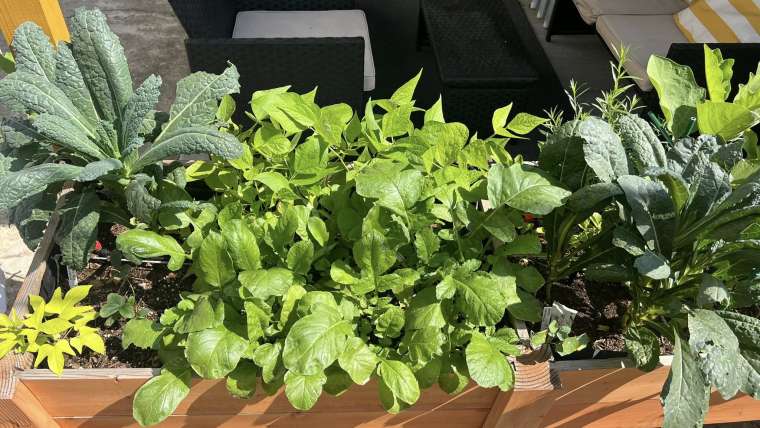
Growing Brussels sprouts in pots offers several benefits, especially for gardeners with limited space or poor soil conditions. Pots provide better control over soil quality, allowing for optimal growing conditions tailored to the plant’s needs. This method also makes it easier to manage water drainage and prevents soil compaction.
Additionally, growing in pots allows for mobility, so plants can be moved to ideal locations that receive sufficient sunlight and shelter from harsh winds. Pots can also help protect the plants from pests and reduce the risk of soil-borne diseases. Furthermore, container gardening allows for better space utilization, making it possible to grow Brussels sprouts on balconies, patios, or small gardens.
Growing Brussels Sprouts in a Pot

Brussels sprouts are a nutritious and hardy vegetable that thrive in cooler weather. Growing them in pots allows you to enjoy fresh sprouts even if you don’t have a garden or have limited space.
This guide will walk you through the steps of growing Brussels sprouts in pots, from choosing the right container to harvesting your crop.
1. Choosing the Right Pot
Brussels sprouts have deep roots, so it’s essential to choose a pot that’s large enough to accommodate them.
- Size: Select a pot that is at least 12–18 inches in diameter and 18–24 inches deep to allow for healthy root growth.
- Drainage: Ensure the pot has drainage holes at the bottom to prevent water from accumulating, which can lead to root rot.
- Material: Clay, ceramic, or plastic pots work well. Plastic pots retain moisture better, while clay pots provide better air circulation for the roots.
2. Selecting the Right Variety
Not all Brussels sprout varieties are well-suited for container gardening. Choose compact varieties that will fit comfortably in your pot. Some good options include:
- Long Island Improved: A traditional variety with firm, flavorful sprouts.
- Trafalgar: A smaller variety that’s perfect for pots.
- Jade Cross: A dwarf variety with a shorter growing season.
3. Preparing the Soil
Brussels sprouts prefer fertile, well-draining soil. To create the best environment for them:
- Soil Type: Use a high-quality potting mix with a pH between 6.0 and 7.0. You can also add compost to enrich the soil.
- Fertilizer: Mix in a balanced fertilizer (10-10-10) or slow-release fertilizer to provide nutrients throughout the growing season. Follow the manufacturer’s instructions for proper dosage.
4. Planting Brussels Sprouts in Pots
You can either start Brussels sprouts from seeds or young plants (transplants). Here’s how to plant them:
From Seeds:
- Start Indoors: Begin seeds indoors 6-8 weeks before the last expected frost date. Plant seeds 1/2 inch deep in seed trays or small pots.
- Transplant: When seedlings have 2–4 leaves and the outdoor temperatures are consistently between 45°F and 75°F (7–24°C), transplant them into your larger pot.
From Transplants:
- Transplanting: If you prefer to skip the seed starting process, buy young Brussels sprout plants from a nursery. Plant each one in its own pot, ensuring the top of the root ball is level with the soil surface.
5. Positioning Your Pots
Brussels sprouts need full sun to thrive, so place your pots in a location that gets at least 6 hours of direct sunlight each day. If you live in a hot climate, some afternoon shade may be beneficial.
6. Watering
Consistent watering is crucial for Brussels sprouts, but overwatering can lead to root rot.
- Frequency: Water the plants regularly to keep the soil evenly moist, but not soggy. Brussels sprouts need consistent moisture, especially during hot weather.
- Watering Method: Water at the base of the plant to avoid wetting the leaves, which can promote disease.
7. Maintaining Temperature
Brussels sprouts are cool-weather crops and prefer temperatures between 55°F and 75°F (13–24°C).
- Avoid Heat Stress: If temperatures exceed 85°F (29°C), provide some shade for your plants, especially in the hottest part of the day.
- Frost Tolerance: Brussels sprouts can tolerate light frosts, and the flavor improves after a frost, as the cold causes the plant to convert starches into sugars.
8. Feeding and Fertilizing
Brussels sprouts are heavy feeders, so regular fertilizing is important.
- Fertilization Schedule: Feed your plants with a balanced liquid fertilizer every 2–3 weeks during the growing season. Alternatively, use slow-release granules mixed into the soil at planting.
- Nitrogen: Brussels sprouts need extra nitrogen to develop strong, healthy foliage. Consider using a fertilizer with a higher nitrogen content in the early stages of growth.
9. Supporting the Plants
Brussels sprouts grow tall and can become top-heavy, so providing support is essential to prevent them from falling over.
- Stakes or Cages: As the plants grow, use bamboo stakes or tomato cages to support the stems. Gently tie the plant to the support as it grows taller.
- Pruning: Prune the lower leaves to allow air circulation and encourage upward growth.
10. Pest Control
While Brussels sprouts are relatively pest-resistant, they can be affected by certain insects.
- Common Pests: Watch out for aphids, cabbage worms, and slugs. Use organic pest control methods like neem oil, insecticidal soap, or diatomaceous earth to keep pests at bay.
- Netting: Consider using garden netting to protect the plants from flying insects like cabbage moths.
11. Harvesting
Brussels sprouts are ready to harvest when the sprouts reach about 1–2 inches in diameter and are firm to the touch. Here’s how to harvest them:
- Timing: Brussels sprouts typically take 80–100 days to mature. Start harvesting from the bottom of the stalk and work your way up as the sprouts mature.
- Method: Twist the sprouts off the stalk, or use a knife to cut them. Leave the topmost sprouts to mature last.
12. Aftercare and Storage
Once you’ve harvested your Brussels sprouts, they can be stored in the refrigerator for up to a week. To prolong their shelf life:
- Freezing: If you have a large harvest, blanch the sprouts in boiling water for 3 minutes, then immediately place them in ice water. After drying, freeze them in airtight bags.
13. Common Challenges and Solutions
- Leggy Growth: If your plants are not growing upright, ensure they receive adequate sunlight, and provide support if necessary.
- Small Sprouts: Insufficient space in the pot or poor soil can cause small sprouts. Ensure your pot is large enough, and provide the right nutrients.
- Yellow Leaves: Yellowing leaves may indicate a nitrogen deficiency. Use a fertilizer with higher nitrogen or apply compost.
FAQs
Brussels sprouts are a cool-season crop. Plant them indoors or in a sheltered spot 6-8 weeks before the last expected frost. If growing from seed, start them indoors and transplant the seedlings into pots after the danger of frost has passed.
Keep the soil evenly moist, especially during dry spells, but avoid waterlogging. Water when the top inch of soil feels dry. Ensure the pot has proper drainage to prevent root rot.
Brussels sprouts can grow quite tall and may require staking. Use bamboo poles, a small trellis, or tomato cages to support the plants as they grow, especially once they start developing sprouts on the stalk.
Yes, pruning is helpful. Remove the lower leaves as the plant matures to encourage better airflow and prevent disease. Pinching off the growing tip after the top sprouts have formed will encourage the plant to focus energy on producing sprouts rather than growing taller.
Brussels sprouts take about 90 to 180 days to mature, depending on the variety and growing conditions. The sprouts themselves typically start forming in late summer or early fall.
Harvest Brussels sprouts when they reach about 1-2 inches in diameter. Start from the bottom of the stalk, and twist the sprouts off gently. It’s best to wait for the first frost, as it can improve the flavor of the sprouts.
While Brussels sprouts require a lot of light, they can be grown indoors in a sunny window or under grow lights. However, they may need more space and nutrients than most indoor plants, so it’s often better to grow them outdoors when possible.
Sign up to get our FREE weekly emails
Gardening guides, tips, & videos delivered right to your inbox!