Growing aloe vera in pots comes with a lot of benefits. It provides better control over soil quality, drainage, and sunlight exposure, ensuring optimal growth conditions.
Potted aloe vera is easy to move indoors during colder months, protecting it from frost and extreme weather. This flexibility makes it suitable for both indoor and outdoor spaces, allowing you to enjoy its air-purifying properties and aesthetic appeal in any setting.
Additionally, aloe vera in pots reduces the risk of overwatering, as excess water can drain out, preventing root rot. Its compact growth makes it ideal for small spaces like balconies, windowsills, or countertops, and having it within reach ensures easy access to its soothing gel for burns or skin care.
How to Grow Aloe Vera in a Pot
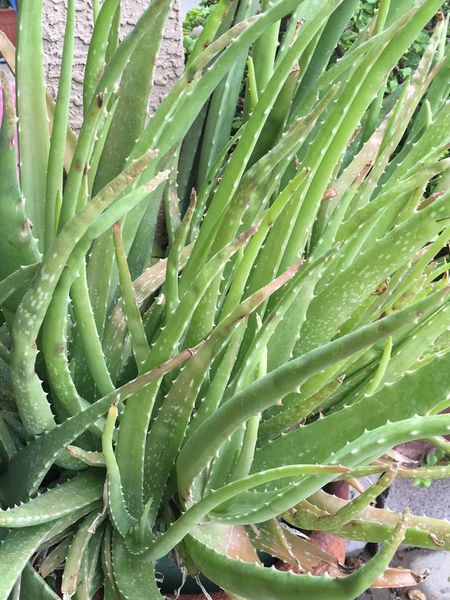
Aloe vera is a low-maintenance succulent prized for its medicinal uses and decorative appeal. Growing aloe in pots is easy, making it ideal for both indoor and outdoor spaces. Check out our guide to successfully grow a healthy aloe vera plant in pots.
1. Choosing the Right Pot and Soil
Pot Requirements
- Size: Select a pot that is slightly wider than the aloe plant’s root ball, with enough room for growth.
- Material: Terra-cotta pots are ideal because they allow water to evaporate, preventing overwatering.
- Drainage: Ensure the pot has drainage holes to avoid waterlogged soil, which can cause root rot.
Soil Type
- Well-Draining Mix: Use a cactus or succulent mix, or create your own by mixing:
- 2 parts potting soil
- 1 part sand or perlite
- 1 part gravel or pumice
2. Planting Aloe Vera in a Pot
- Prepare the Pot: Fill the bottom of the pot with gravel to improve drainage.
- Position the Plant: Place the aloe plant in the center. The base of the plant (where the leaves begin) should sit just above the soil line.
- Fill with Soil: Add the soil mixture around the roots, gently packing it down.
- Leave Space at the Top: Keep at least 1-2 inches of space from the soil to the top of the pot to prevent spills during watering.
3. Watering Aloe Vera Properly
- Infrequent but Deep Watering: Water only when the top 1-2 inches of soil are dry to the touch.
- Drain Excess Water: Ensure water drains completely from the pot. Do not let the pot sit in water trays.
- Winter Watering: Reduce watering frequency during the winter when the plant’s growth slows down.
4. Ideal Light Conditions
- Bright, Indirect Light: Place aloe in a location with plenty of indirect sunlight (like near a south- or west-facing window).
- Avoid Direct Sun: Too much direct sunlight can scorch the leaves.
- Outdoors: If placing aloe outdoors, introduce it to direct sun gradually to prevent leaf burn.
5. Temperature and Humidity
- Temperature: Aloe thrives between 55°F and 80°F (13°C to 27°C).
- Frost Protection: Bring the plant indoors if temperatures drop below 50°F (10°C).
- Humidity: Aloe prefers dry conditions. Avoid placing it in overly humid areas like bathrooms.
6. Fertilizing Aloe Vera
- Frequency: Fertilize once in spring and once in summer during the growing season.
- Type of Fertilizer: Use an organic fertilizer or a succulent fertilizer.
- Avoid Over-Fertilizing: Too much fertilizer can harm the plant. Stick to light feeding.
7. Pruning and Maintenance
- Remove Dead Leaves: Prune yellow or brown leaves at the base to keep the plant healthy.
- Cut Off Pups: Aloe plants produce “pups” (small offshoots). You can cut and repot these into new pots.
- Clean Leaves: Wipe the leaves with a damp cloth occasionally to remove dust.
8. Propagating Aloe Vera
- Remove Pups: Look for small offshoots with a few leaves growing near the base of the mother plant.
- Cut the Pup: Use a sterile knife to separate it from the main plant.
- Let it Dry: Allow the pup to sit for a day or two to develop a callus over the cut.
- Plant in New Pot: Use the same potting method for the pup as the main plant.
9. Common Problems and Solutions
- Yellowing Leaves: Caused by overwatering. Reduce watering frequency.
- Leaf Burn: Brown tips or scorched leaves indicate too much direct sun.
- Root Rot: If roots appear black and mushy, the plant is overwatered. Repot in dry soil and reduce watering.
- Pests: Watch out for mealybugs and aphids. Use insecticidal soap if needed.
10. Harvesting Aloe Vera Leaves
- Choose a Mature Plant: Harvest leaves from plants that are at least 1-2 years old.
- Select Outer Leaves: Cut thick, healthy leaves from the base of the plant.
- Allow Sap to Drain: After cutting, let the yellow sap (aloin) drain out before using the gel.
- Use the Gel: The inner gel can be applied to burns, cuts, or used in beauty products.
FAQ
Water deeply but only when the soil is completely dry. In summer, this might be every 2-3 weeks. In winter, reduce watering to once a month or less, as Aloe Vera goes dormant and requires less moisture.
Aloe Vera is sensitive to frost. If your area experiences cold winters (below 50°F / 10°C), bring the plant indoors during the colder months. It grows well outdoors in USDA zones 9-11.
If the roots start to grow through the drainage holes, or the plant becomes too large, it’s time to repot. Choose a slightly larger pot, remove the plant gently, and place it in fresh soil.
Aloe Vera produces “pups” or offsets around the base. When these pups are a few inches tall, you can separate them from the parent plant and replant them in their own containers.
For sure! When the leaves are thick and mature, cut them near the base of the plant. Let the cut leaf sit for a few minutes to allow the yellow sap (aloin) to drain, as it can be irritating to the skin.
Sign up to get our FREE weekly emails
Gardening guides, tips, & videos delivered right to your inbox!