
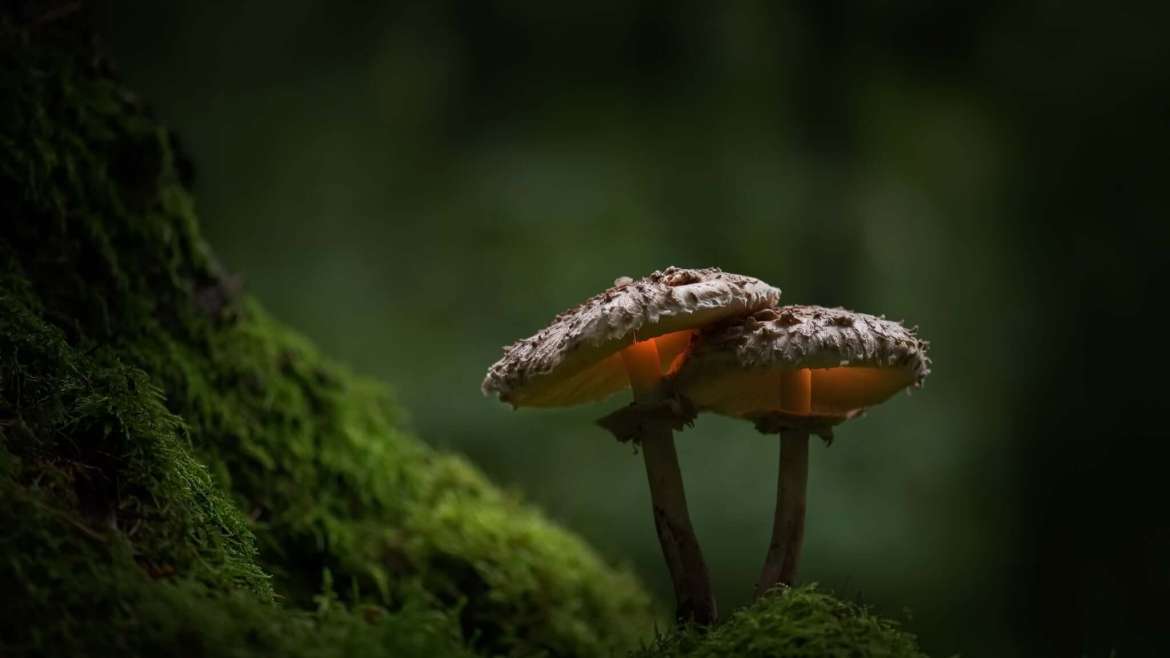
Mushrooms. They’re like the secretive, mysterious neighbors of the plant world, popping up in the oddest places, doing their own thing. If you’ve never really paid attention to them, imagine a veggie that’s earthy, savory, and a little bit meaty, with a texture that’s both delicate and satisfying. Mushrooms can take a dish from “meh” to “wow” in just one bite. They’re versatile too—whether you’re tossing them in pasta, adding them to a salad, or just grilling them on their own, they’re never a letdown.
They’re also healthy! Packed with vitamins, antioxidants, and minerals, mushrooms are great for your immune system, plus they’re low in calories. They love cool, damp environments and can pop up practically overnight, making them perfect for foraging. But, like any good wild thing, they require some knowledge—some mushrooms are poisonous, so it’s always best to have an expert around if you’re picking them yourself.
And if you want to grow them? You don’t need acres of land. Mushrooms are ideal for small spaces. You can grow them in a shady corner of your yard, or even inside if you have the right conditions—moisture and the right temperature. You’ll need patience, though. Unlike fruit trees that show off their stuff every season, mushrooms can take time to really grow into their full potential.
The best part? You don’t have to worry about them getting too demanding. As long as they have moisture and the right environment, they’ll do their thing. Plus, the variety of mushrooms out there means you can experiment with flavors, colors, and textures—every batch is like a little edible adventure.
How to Grow Mushrooms

Growing mushrooms is a rewarding process that requires specific conditions. below is a step-by-step guide to get you started.
Choose Your Mushroom Type
- Popular Varieties: Button, Shiitake, Oyster, and Lion’s Mane.
- Decide Where to Grow: Indoors in a controlled environment or outdoors in a shady spot.
Prepare the Growing Medium
- Common Mediums: Straw, sawdust, wood chips, or compost.
- Sterilization: Sterilize the medium by boiling or pasteurizing to kill off any competing organisms.
Inoculate the Medium
- Mushroom Spawn: Purchase from a reputable supplier.
- Mixing: Mix the spawn into the growing medium. Ensure it’s evenly distributed.
Maintain Proper Growing Conditions
- Temperature: Typically between 55°F-75°F (13°C-24°C), depending on the mushroom variety.
- Humidity: Keep humidity levels high (around 85-90%). Mist the area regularly or use a humidifier.
- Light: Mushrooms need low light. Indirect sunlight or a dim light source is sufficient.
Monitor Growth
- Mycelium Development: White, thread-like structures will begin to grow through the medium. This is the vegetative part of the fungus.
- Pinning: Small mushroom caps (pins) will start to appear as the mycelium matures.
Harvesting
- Timing: Mushrooms are typically ready to harvest when the caps are fully open, and the gills are exposed.
- Method: Gently twist and pull the mushroom from the base, or use a sharp knife to cut them off.
Post-Harvest Care
- Storage: Store fresh mushrooms in a paper bag in the refrigerator for up to a week.
- Drying: If you have excess mushrooms, consider drying them for long-term storage.
Tips for Success
- Cleanliness: Keep the growing environment clean to prevent contamination.
- Consistent Environment: Maintain stable temperature and humidity to avoid stress on the mushrooms.
- Patience: Mushroom cultivation can take several weeks, depending on the type.
Mushrooms Growing Zone
Mushrooms grow best in specific climate zones that provide the right temperature, humidity, and soil conditions. Here are some general guidelines for mushroom growing zones:
- Cool-Climate Mushrooms (e.g., Shiitake, Oyster Mushrooms)
- Optimal Temperature: 55°F to 65°F (13°C to 18°C)
- Growing Zone: These mushrooms thrive in temperate regions with cool, moist conditions. Zones 5-8 are typically suitable.
- Warm-Climate Mushrooms (e.g., Button, Portobello Mushrooms)
- Optimal Temperature: 65°F to 75°F (18°C to 24°C)
- Growing Zone: These varieties are more suited to slightly warmer climates. Zones 7-10 can be ideal.
- Subtropical/Tropical Mushrooms (e.g., Reishi, Shiitake (in warmer areas))
- Optimal Temperature: 70°F to 85°F (21°C to 29°C)
- Growing Zone: These mushrooms are often grown in subtropical to tropical zones, such as zones 9-11.
- Indoor/Controlled Environment Growing
- If you control the environment indoors, you can grow various mushrooms regardless of your USDA hardiness zone. You can manipulate temperature, humidity, and light to match the needs of the mushroom species you’re cultivating.
Different mushroom species have specific requirements, so it’s important to choose the right type for your climate or create the right conditions indoors.
Growing Mushrooms FAQ
The easiest mushrooms to grow at home are oyster mushrooms. They are adaptable to a variety of growing mediums and are relatively fast to grow.
You’ll need mushroom spores or a spawn, a growing medium (such as straw, wood chips, or coffee grounds), containers or bags, and a humid environment. A sterile environment is also crucial to prevent contamination.
Yes, mushrooms can be successfully grown indoors. You’ll need to create the right conditions, including controlled humidity, temperature, and lighting. Basements, closets, or a dedicated grow tent work well.
The growing time varies depending on the type of mushroom and growing conditions. Generally, it takes 1-2 weeks for mycelium to colonize the substrate and another 1-2 weeks for mushrooms to mature.
Mushrooms are typically ready to harvest when the cap has fully opened, but the veil underneath is still intact. Oyster mushrooms, for example, should be harvested when the edges of the caps begin to flatten out.
Yes, it is possible to grow mushrooms from store-bought ones using their stems or spore prints. However, using a mushroom spawn kit is generally more reliable.
Fresh mushrooms should be stored in a paper bag in the refrigerator to keep them dry and prevent them from becoming slimy. They can also be dried or frozen for longer storage.
Mushrooms growing in your mulch are a natural part of the decomposition process. Mulch provides a rich environment for fungi to thrive due to its moisture retention and the presence of decaying organic matter. Fungi, including mushrooms, play a crucial role in breaking down this material, helping to enrich the soil. The appearance of mushrooms indicates that your mulch is doing its job in supporting the soil’s ecosystem.
Sign up to get our FREE weekly emails
Gardening guides, tips, & videos delivered right to your inbox!


