The first frost has come, the air is crisp, and you might think your gardening days are behind you for the year. But hold up—did you know December is actually one of the best times to plant certain vegetables?
Imagine stepping out into your garden in the middle of winter, breathing in the cool, earthy scent of fresh soil, and picking vibrant greens and root vegetables that you planted just a few weeks ago. While it may seem like winter gardening is reserved for the most experienced green thumbs, with a little knowledge, you can easily grow veggies that thrive in the cold, all from the comfort of your own backyard.
In this guide, we’ll cover 10 easy vegetables to plant in December that are hardy enough to survive the winter chill and give you something fresh to harvest in the months ahead. Whether you’re new to gardening or a seasoned pro, these veggies are low-maintenance and perfect for getting your hands dirty in December.
1. Garlic: The Perfect Winter Crop
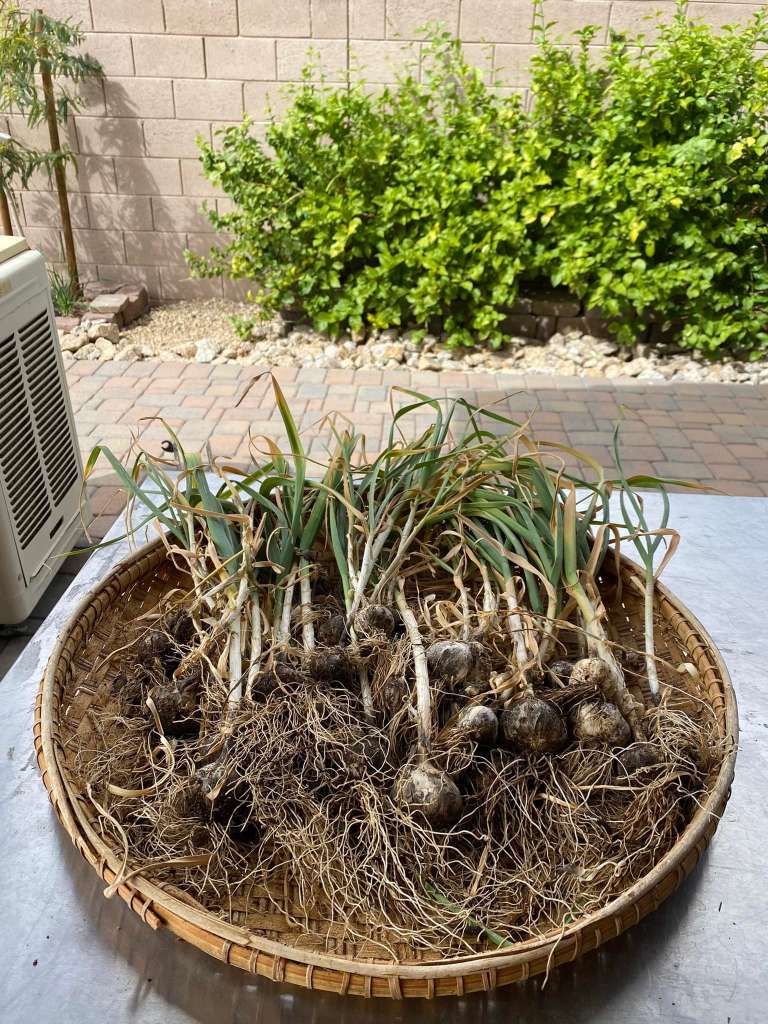
Garlic is one of the easiest and most rewarding vegetables to plant in December. In fact, the cold weather actually helps develop the robust flavor of garlic bulbs, making it an excellent winter crop. The key is to plant garlic cloves in well-drained soil and give them enough time to establish roots before the ground freezes.
Tip: Choose a sunny spot with loose, well-draining soil. Plant individual cloves about 2 inches deep and space them 4-6 inches apart. By late spring or early summer, you’ll be harvesting fresh garlic bulbs that have a rich, earthy flavor.
Common Mistake to Avoid: Avoid planting cloves that have already sprouted or are damaged, as they may not grow properly.
2. Kale: Cold-Hardy and Packed with Nutrients
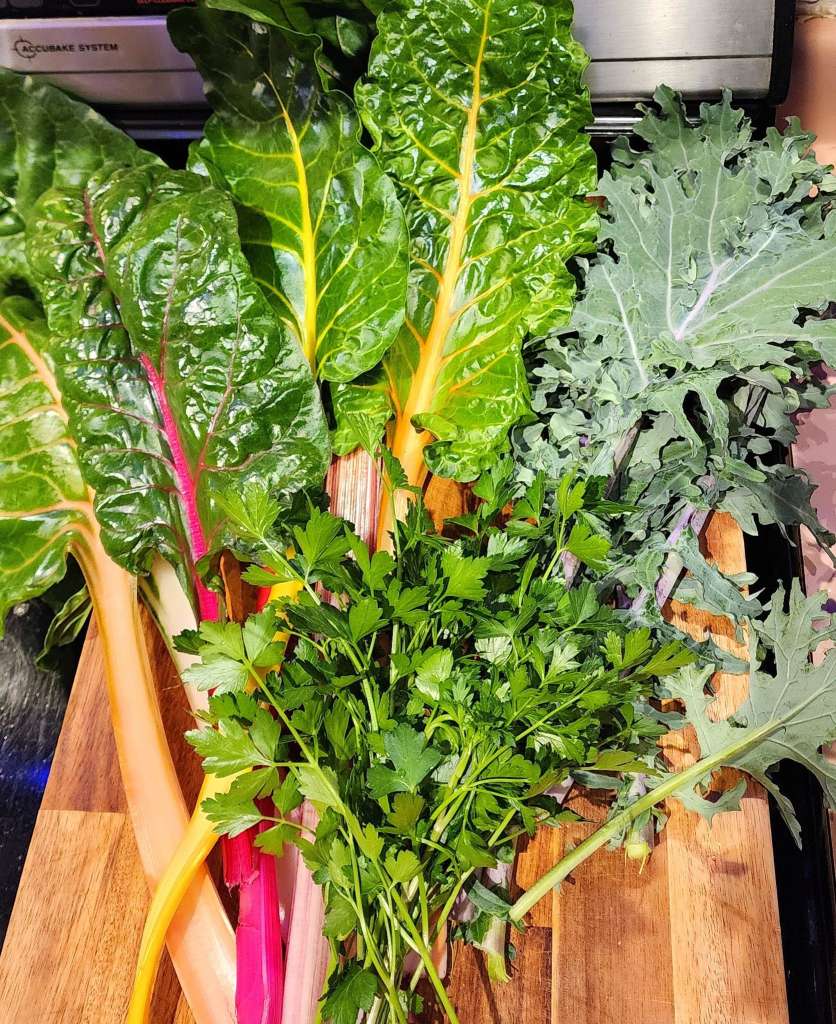
If you’re craving fresh greens in the winter, kale is your go-to vegetable. This leafy green thrives in cold temperatures, and the frost actually enhances its flavor, making it sweeter. Kale is perfect for December planting because it can handle the chill and continue growing through the winter months.
Tip: Kale can be direct-seeded in your garden or started indoors and transplanted outside. Aim to plant it 12-18 inches apart in fertile, well-drained soil. Water regularly but avoid overwatering.
Common Mistake to Avoid: Don’t overcrowd the plants; kale needs space to grow and spread out its broad leaves.
3. Spinach: A Winter Garden Favorite
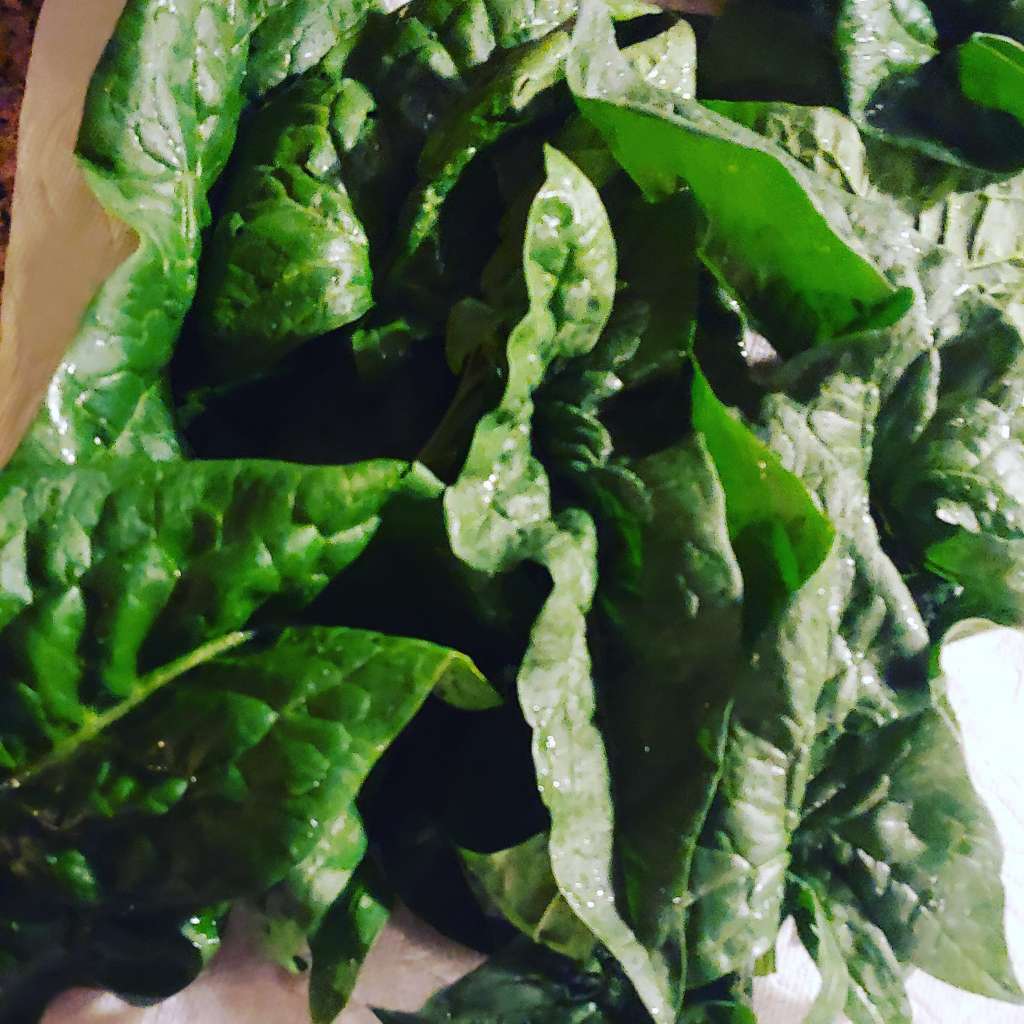
Spinach is another vegetable that loves the cold. In fact, it’s one of the most cold-tolerant crops you can grow. By planting it in December, you’ll be able to harvest fresh spinach as early as late winter or early spring.
Tip: Spinach prefers well-drained, slightly acidic soil. Plant the seeds about ½ inch deep and space them 2-4 inches apart. For a continuous harvest, plant in succession every couple of weeks.
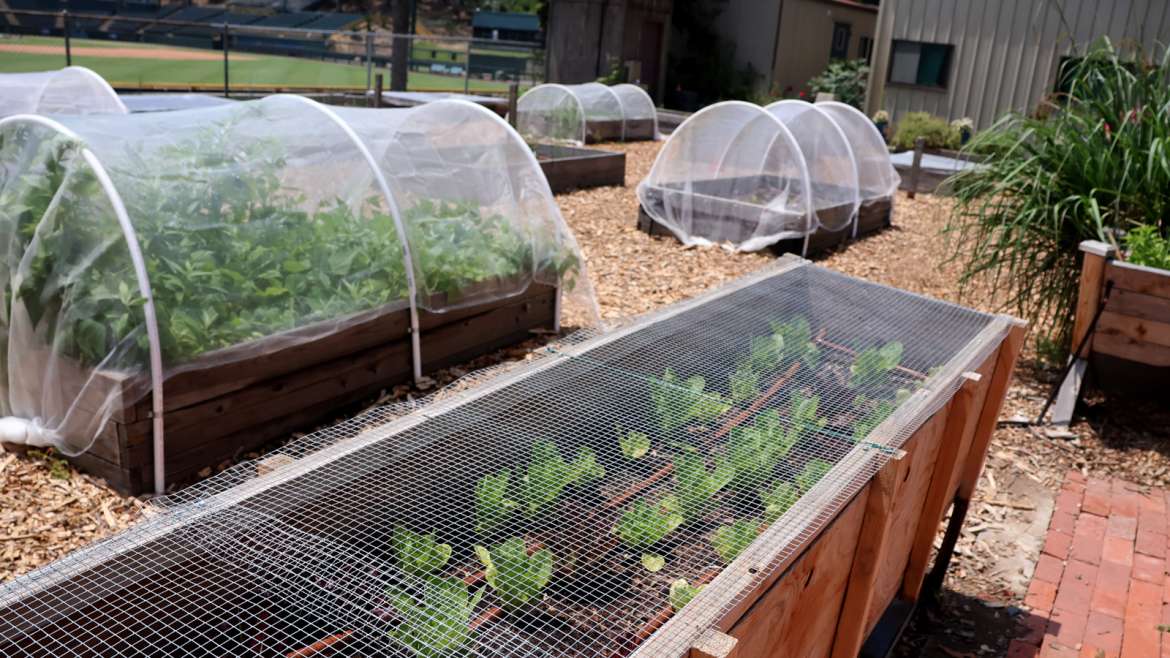
Common Mistake to Avoid: Spinach is sensitive to extreme temperature fluctuations, so be sure to keep the plants protected from heavy frosts with row covers or cloches.
4. Carrots: Winter’s Hidden Treasure
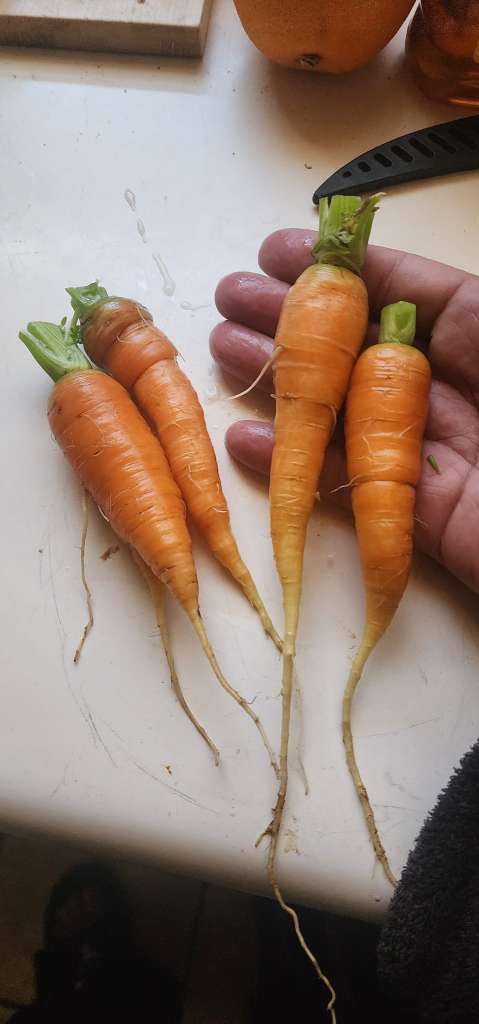
Carrots are a surprisingly good vegetable to plant in December, especially if you live in a region with mild winters. Carrots grown in winter have a sweeter, earthier taste, and the cool soil helps them develop perfectly.
Tip: Plant carrot seeds about ¼ inch deep in loose, sandy soil. Space them 2 inches apart to allow plenty of room for their roots to grow. As they grow, thin them out to prevent overcrowding.
Common Mistake to Avoid: Carrots need loose, well-draining soil—if the soil is too compact, they’ll grow misshapen and stunted.
5. Swiss Chard: A Hardy Green that Grows Through Winter
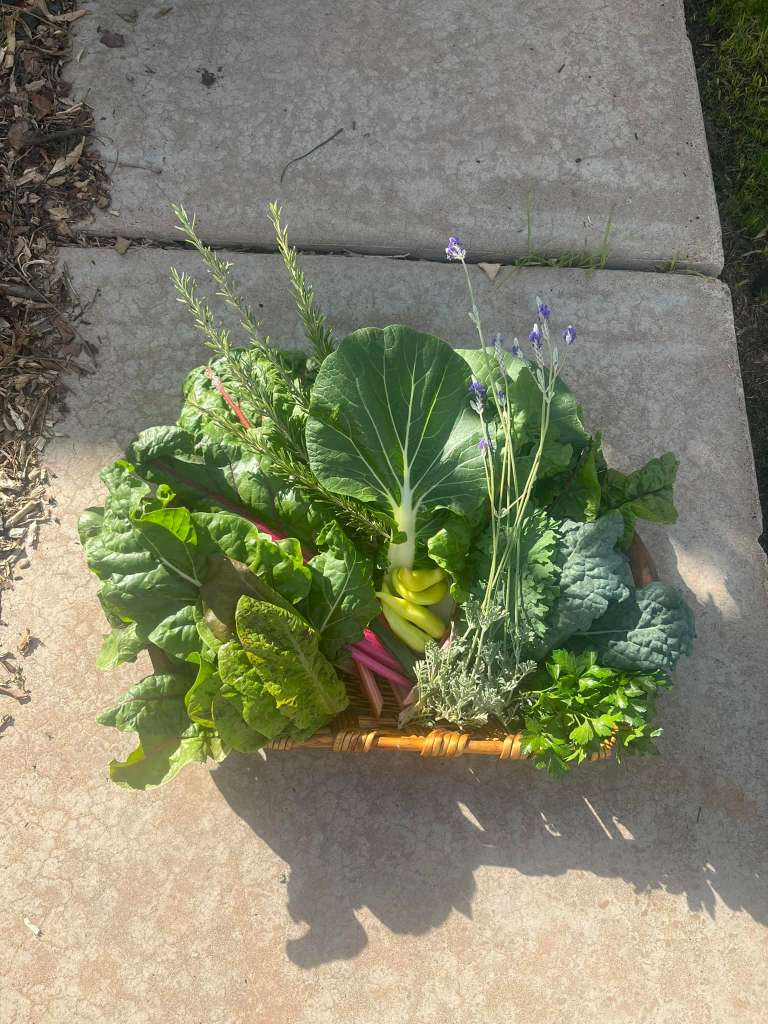
Swiss chard is one of the most versatile and hardy vegetables you can grow, and it loves the cold. Even in December, you can start planting it, and it will continue producing throughout the winter, offering up its colorful, nutrient-rich leaves.
Tip: Swiss chard grows best in well-drained, fertile soil. Plant seeds about 1 inch deep and 6-12 inches apart. Make sure to keep the soil moist, but not soggy.
Common Mistake to Avoid: Don’t let the soil dry out completely, especially during the winter months, as chard needs consistent moisture to thrive.
6. Onions: Winter Planting for Early Summer Harvest
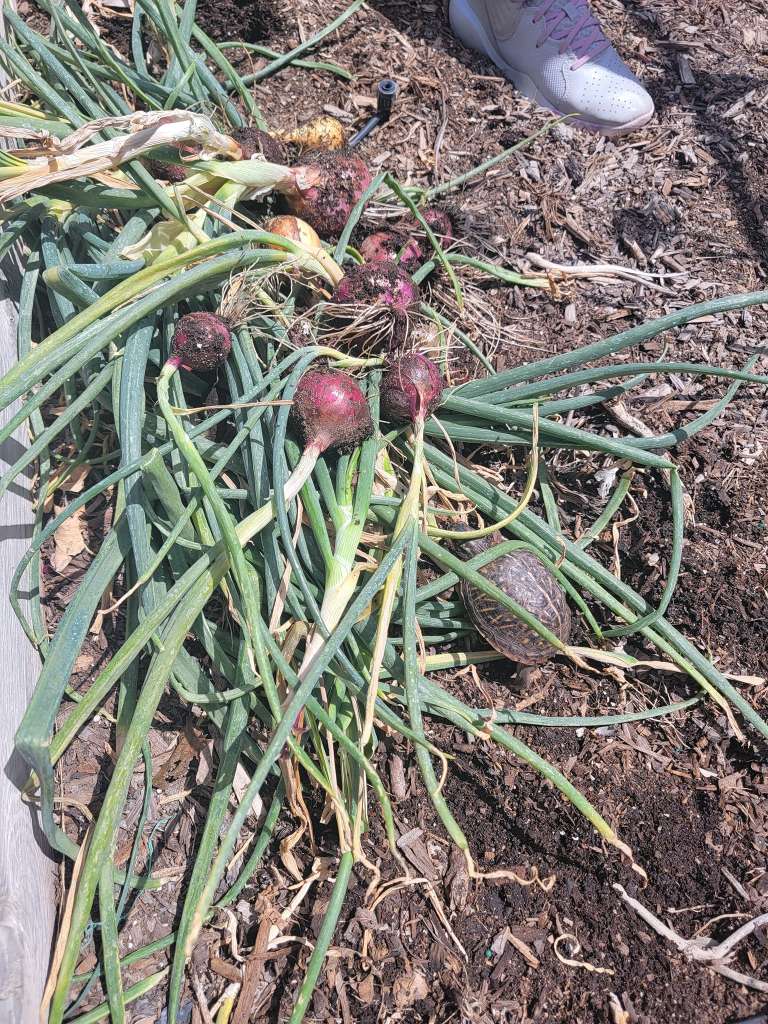
Onions, especially winter onions, are great for planting in December. They take a bit longer to mature, but by late spring or early summer, you’ll be harvesting sweet, flavorful onions.
Tip: Plant onion sets (small bulbs) 1 inch deep in loose soil. Space them about 4 inches apart. You can grow onions from sets or seeds, but sets tend to be easier and faster for beginners.
Common Mistake to Avoid: Avoid planting onions too deep; they need some sunlight to grow and develop properly.
7. Leeks: The Cold-Tolerant Allium
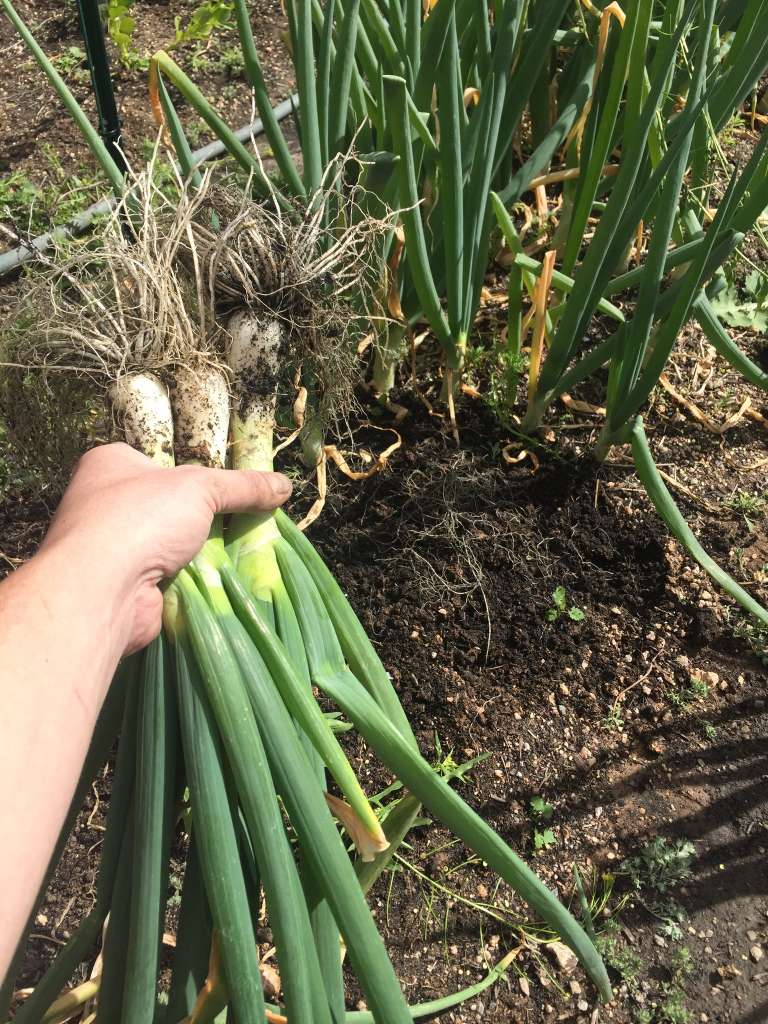
Leeks are another cold-hardy vegetable that thrives in the winter months. These long, tender alliums can be planted in December and harvested in early spring or late winter.
Tip: Space leeks 6 inches apart in rich, well-draining soil. Plant the seedlings deep enough to cover their roots but not so deep that the shoots don’t get any sunlight.
Common Mistake to Avoid: Don’t let leeks get too dry, as they require consistent moisture to grow tall and healthy.
8. Radishes: Quick and Easy for Winter Gardens
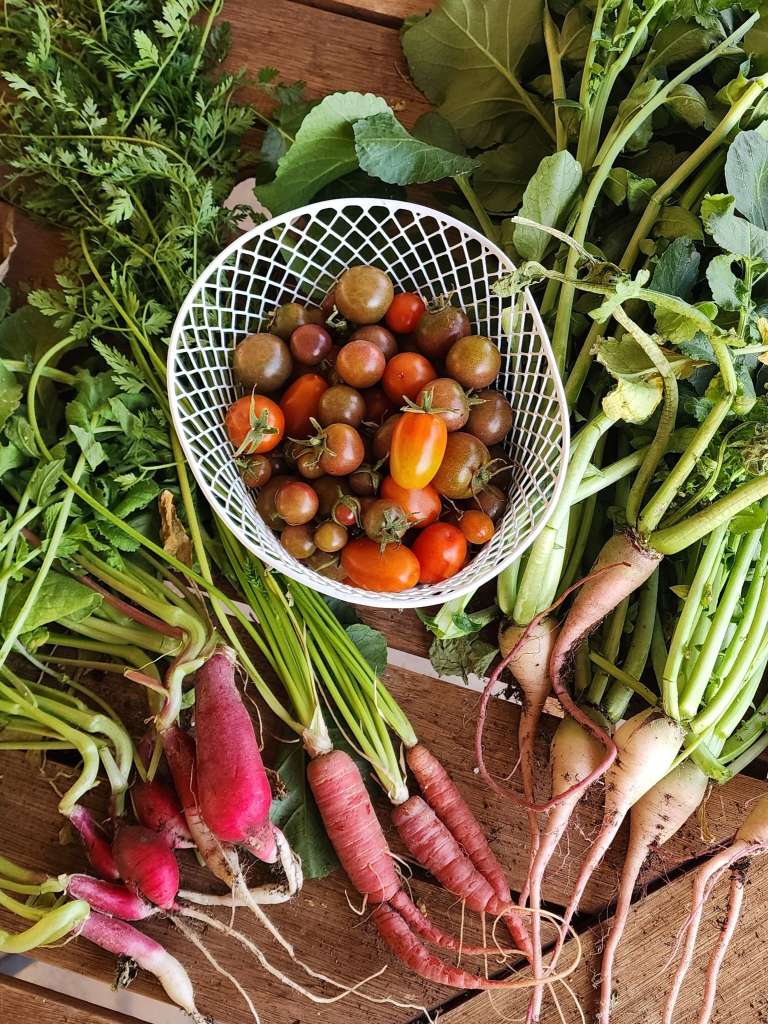
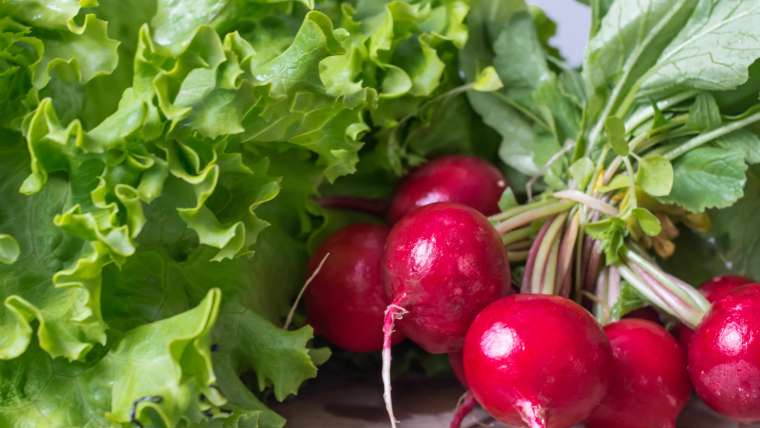
Radishes are a fast-growing crop that can be planted in December, especially in milder climates. These crunchy, peppery veggies are ready to harvest in as little as 4 weeks, making them ideal for impatient gardeners looking for fast results.
Tip: Plant radish seeds about ½ inch deep in well-draining soil. Space them 1 inch apart. Since they grow quickly, you can plant multiple batches for a continuous harvest.
Common Mistake to Avoid: Radishes need room to grow, so avoid overcrowding them in the soil.
9. Broad Beans (Fava Beans): Winter Beans for Spring Harvest
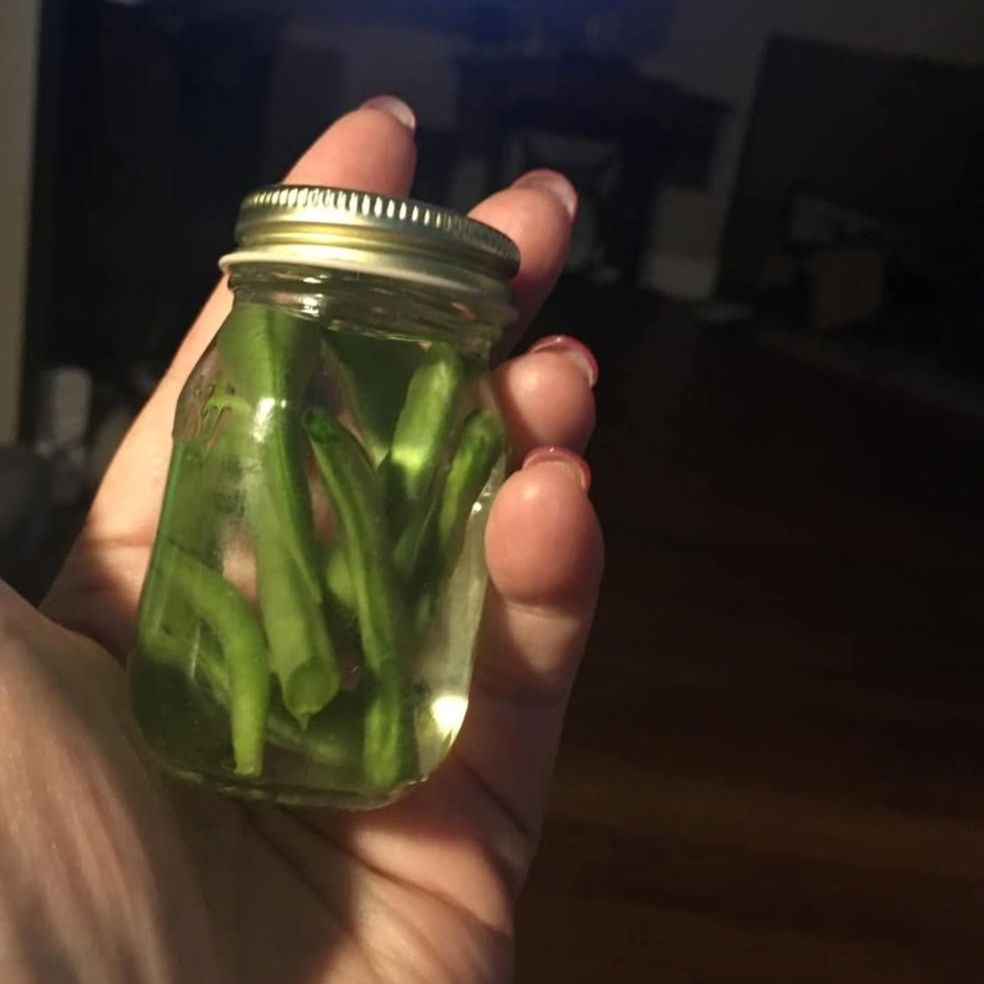
Broad beans, or fava beans, are perfect for planting in December. They can handle frost and chilly temperatures, making them an excellent choice for winter gardens. Come spring, you’ll have delicious, nutritious beans to harvest.
Tip: Plant fava beans about 2 inches deep in well-drained soil. Space the seeds about 6 inches apart to give the plants room to grow. Water regularly, but make sure the soil doesn’t become too soggy.
Common Mistake to Avoid: Avoid planting too early in areas with severe winters, as fava beans need mild frost to thrive but can’t handle extreme cold.
10. Mustard Greens: Spicy and Resilient in the Cold
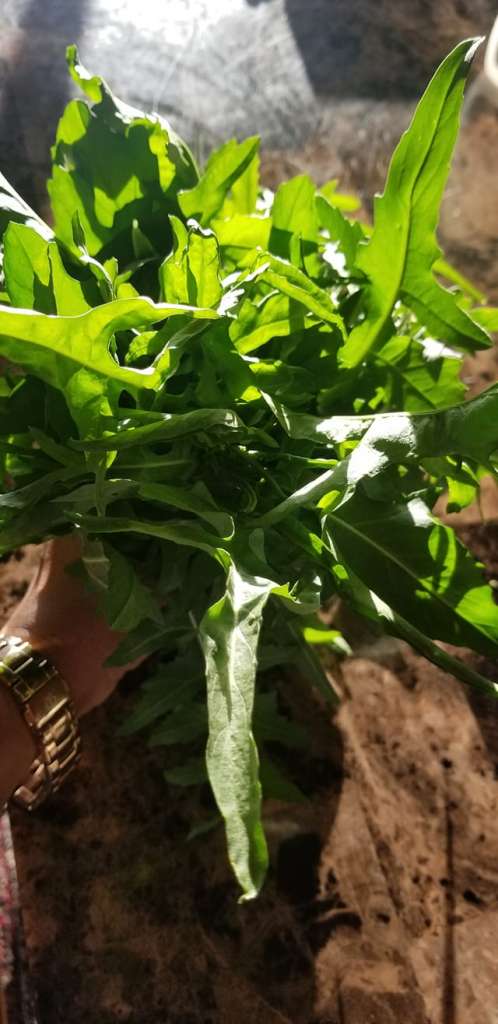
If you love a little kick in your greens, mustard is a fantastic option for December planting. These greens can handle frost and continue to grow throughout the winter, giving you a spicy, vibrant addition to your garden.
Tip: Mustard greens grow best in fertile, well-draining soil. Plant them about ¼ inch deep and space them 6-8 inches apart. They prefer full sun but can tolerate partial shade.
Common Mistake to Avoid: Mustard greens can become bitter if they’re exposed to extreme heat, but they thrive in the cold.
Conclusion: Winter Gardening Made Easy
December might feel like a quiet time in the garden, but it’s actually a great opportunity to grow some of the most hardy, delicious vegetables. From garlic and kale to radishes and fava beans, these 10 easy vegetables to plant in December will give your winter garden a much-needed boost, and the satisfaction of homegrown produce.
Have you tried any of these vegetables in your garden? Drop a comment below to share your tips and experiences or sign up for our newsletter for more gardening advice and seasonal tips!
FAQs
Yes! Many cold-tolerant vegetables can be planted in December and thrive in the winter. It’s all about choosing the right crops and ensuring they’re protected from severe frosts.
Using row covers, cloches, or even simple blankets can help protect your plants from harsh frosts while still allowing them to grow.
Harvest times vary depending on the vegetable. For instance, garlic may take until summer, while radishes and spinach can be ready as soon as late winter or early spring.
Sign up to get our FREE weekly emails
Gardening guides, tips, & videos delivered right to your inbox!