

Cabbage. Not the most glamorous vegetable, but don’t sleep on it. This leafy green is a powerhouse—crunchy, satisfying, and packed with nutrients. Think of it as the humble superhero of the veggie world. Whether it’s shredded in a salad, stir-fried in a stir-fry, or simmered in a hearty stew, cabbage delivers every time. It’s not just tasty; it’s got some serious health perks, too—high in fiber, vitamin C, and antioxidants.
Cabbage is a cold-weather champ, thriving in the cooler months. You’ll find it sprouting in early spring or late fall, and unlike some delicate crops, cabbage doesn’t mind a little frost on its leaves. In fact, it’s kind of a tough cookie that way.
As for growing it? Well, it’s easy enough. Just make sure it has enough space to spread out, and remember, like any plant, it appreciates a little love and attention. Keep it watered, give it some decent soil, and maybe give it a quick pep talk, because it’ll reward you with that perfect crunchy bite.
And the best part? Cabbage isn’t picky about where it grows. Whether in the ground or in a raised bed, it’ll do its thing. Just don’t expect it to fancy up your garden—it’s all about function over form with cabbage, but trust me, it’s worth every leaf.
How to Grow Cabbage
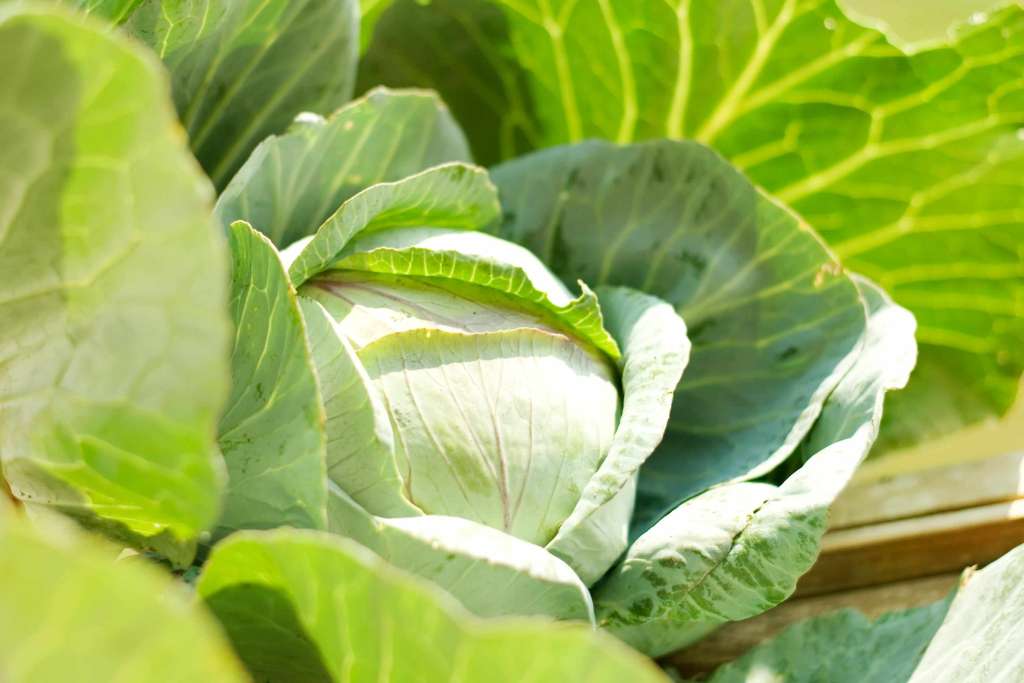
Growing cabbage is a rewarding process that requires attention to detail and proper care. Cabbage is a cool-season crop, meaning it thrives in cooler temperatures, making it suitable for spring and fall gardening.
Planting Cabbage
- Choose the Right Variety: Cabbage comes in several varieties, including green, red, and Savoy. Select the type that best suits your climate and taste preferences.
- Timing: Cabbage is a cool-season crop, so plant seeds indoors about 6-8 weeks before the last expected frost. For a fall crop, sow seeds outdoors in mid to late summer.
- Soil Preparation: Cabbage prefers well-drained, fertile soil with a pH between 6.5 and 6.8. Work compost or aged manure into the soil to enrich it.
- Planting Seeds or Transplants:
- If starting from seeds, sow them ¼ inch deep in seed trays. Keep them moist and warm until they germinate.
- Transplant seedlings outdoors when they are 4-6 weeks old and have at least 2-4 true leaves. Space them 12-24 inches apart in rows that are 24-36 inches apart.
- Sunlight: Cabbage needs full sun to grow well. Ensure the plants receive at least 6 hours of direct sunlight each day.
- Watering: Cabbage requires consistent moisture. Water regularly, keeping the soil evenly moist but not waterlogged.
Growing Cabbage
- Fertilization: Fertilize cabbage with a balanced fertilizer when planting and again when the plants are halfway to maturity.
- Mulching: Apply mulch around the plants to retain moisture, regulate soil temperature, and suppress weeds.
- Pest Control: Watch out for common pests like cabbage worms, aphids, and slugs. Use organic or chemical controls as necessary, and consider using row covers to protect young plants.
- Thinning: If you sowed seeds directly in the garden, thin the seedlings so they are spaced properly, allowing each plant enough room to grow.
- Care: Keep the garden bed weed-free, and ensure the plants are supported if necessary, especially in windy areas.
Harvesting Cabbage
- Maturity: Cabbage is ready to harvest when the heads are firm and reach the desired size, usually around 70-100 days after planting.
- Harvesting: Use a sharp knife to cut the cabbage head at the base, leaving the outer leaves intact. For a second crop, you can leave the stem in the ground, and smaller heads (called sprouts) may form.
- Storage: Cabbage can be stored in a cool, moist place for several weeks. It can also be fermented into sauerkraut or preserved in other ways.
Cabbage Growing Zone
Cabbage is a cool-season crop that grows best in USDA Hardiness Zones 1-10. The ideal growing conditions include temperatures between 60-70°F (15-21°C), with well-drained, fertile soil that is rich in organic matter.
For specific growing zones:
- Zones 1-4: Plant cabbage in early spring and early fall to avoid the hottest part of summer.
- Zones 5-7: You can plant cabbage in early spring and late summer or early fall.
- Zones 8-10: It’s best to plant cabbage in late fall, winter, or early spring to avoid the summer heat.
Growing Cabbage FAQ
There are several types of cabbage, including green, red, and Savoy. Green cabbage is the most common, while red cabbage has a slightly different flavor and is often used in salads. Savoy cabbage has crinkled leaves and a more tender texture.
Cabbage is a cool-season crop that can be planted in early spring or late summer for a fall harvest. In colder climates, plant cabbage 6-8 weeks before the last frost in spring or 6-8 weeks before the first frost in fall.
Cabbage is ready to harvest when the heads are firm and reach the desired size, usually about 70-100 days after planting. Use a sharp knife to cut the heads from the stalk, leaving the outer leaves and roots in place if you want to encourage a second, smaller harvest.
Cabbage may not form heads if it’s planted too late in the season, exposed to high temperatures, or grown in soil that is too rich in nitrogen. Ensure proper planting time, consistent watering, and balanced fertilization to encourage head formation.
Yes, cabbage can be grown in containers, but you’ll need a large pot with at least 12 inches of depth and width. Make sure to use high-quality potting soil and keep the plants well-watered.
Companion plants like onions, garlic, and herbs such as thyme and dill can help deter pests. Avoid planting cabbage near other brassicas (like broccoli and cauliflower) to reduce the risk of disease spread.
Start by cutting the base of a cabbage head, leaving about 2-3 inches of the stem attached. Place the cut end in a shallow dish of water, ensuring the base is submerged, but the leaves are not. Position the dish in a sunny spot and change the water every few days. Within a week or two, you’ll notice new roots and leaves beginning to grow.
Sign up to get our FREE weekly emails
Gardening guides, tips, & videos delivered right to your inbox!


