
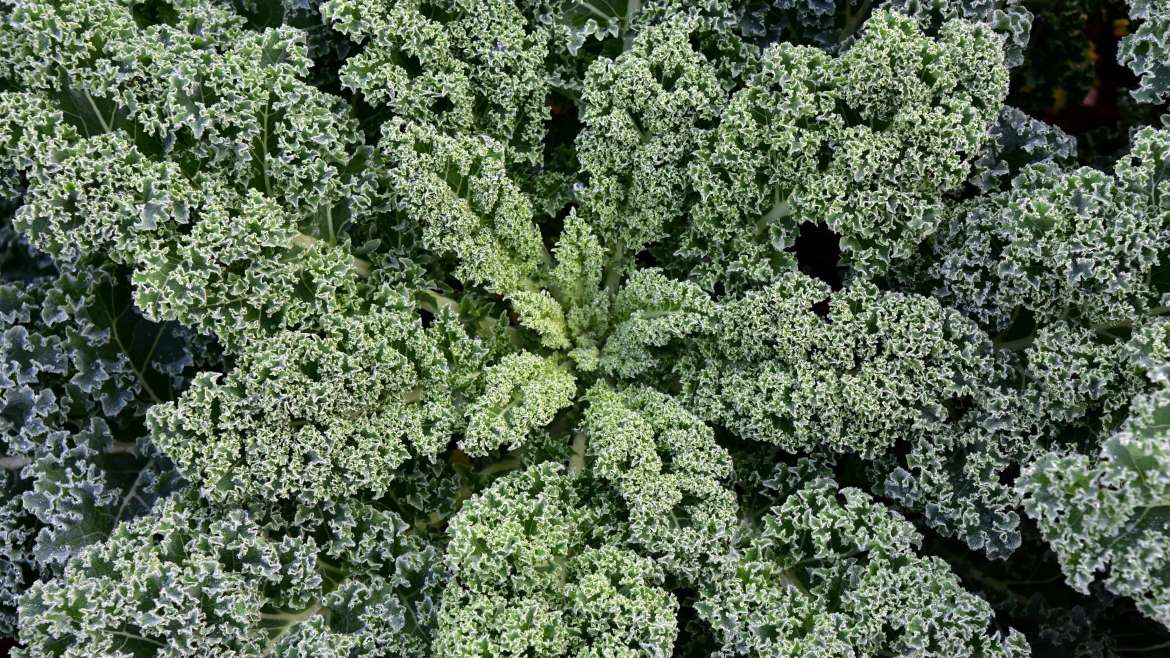
Kale. It’s one of those veggies that sounds like it should be complicated but is actually pretty chill. If you’ve never tried it, think of it as the tough, cool cousin of lettuce who doesn’t mind a little frost on the edges. Kale is hearty, earthy, and has that perfect balance of bitterness that makes it super versatile in everything from smoothies to soups. It’s also ridiculously good for you—like, “I’ll make you feel like a superhero” good.
Kale grows best in the cooler months, so it’s your winter warrior in the garden. It can take some frost and still stay fresh, unlike that delicate lettuce that wilts with the slightest chill. Plus, it’ll keep producing leaves for months if you harvest right, so you’re not constantly replanting.
That being said, give kale the respect it deserves. It likes well-drained soil and a little extra care when you first plant it—some water, some love, maybe a pep talk. But once it’s established, this plant is pretty low-maintenance and can thrive even when the weather gets rough.
And the best part? It’s not just tough in flavor; kale’s loaded with nutrients, antioxidants, and all that good stuff that makes your body feel like it’s got a personal trainer on the inside. Plus, it’s got those deep, rich green leaves that make your garden look a little more serious and a lot more healthy.
How to Grow Kale
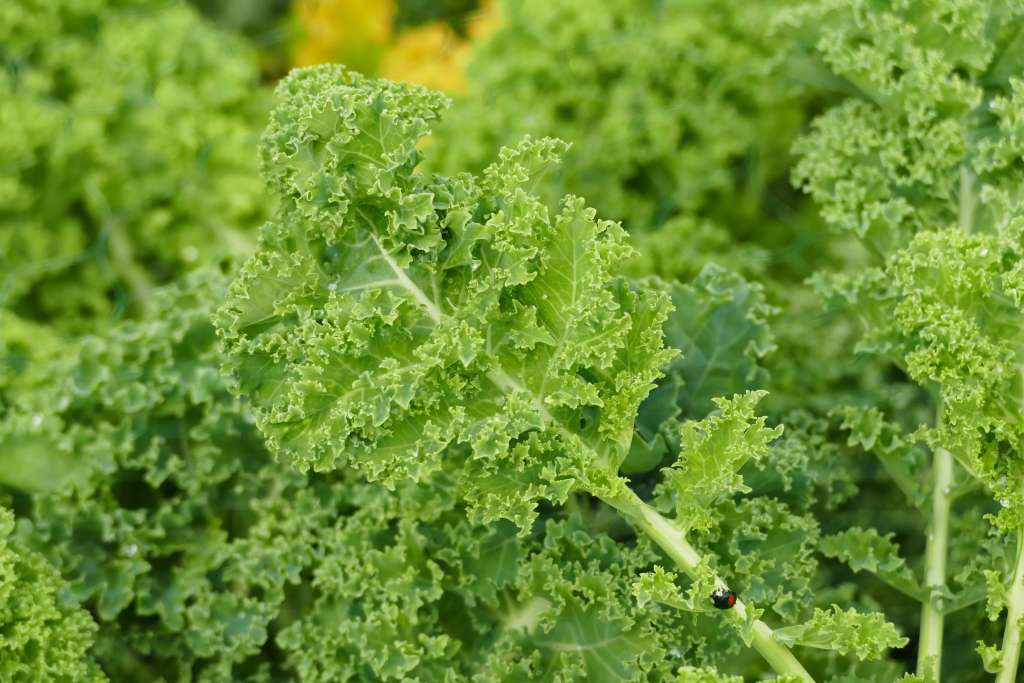
Growing kale is such an exciting and rewarding experience. Kale is a hardy, nutritious leafy green that’s easy to grow in a variety of climates. Below is a guide on how to plant, grow, and harvest kale.
Planting Kale
- When to Plant:
- Kale is a cool-season crop, so it’s best to plant it in early spring or late summer for fall and winter harvests. In cooler climates, you can plant kale about 3-5 weeks before the last frost in spring. For a fall harvest, plant it 6-8 weeks before the first expected frost.
- Where to Plant:
- Choose a location with full sun (6-8 hours of sunlight daily), though kale can tolerate partial shade. The soil should be well-drained and rich in organic matter.
- Soil Preparation:
- Kale prefers slightly acidic to neutral soil with a pH between 6.0 and 7.5. Add compost or well-rotted manure to enrich the soil before planting.
- Planting Seeds/Transplants:
- Seeds: Sow seeds about 1/2 inch deep and 1 inch apart in rows spaced 18-24 inches apart. Thin seedlings to about 12-18 inches apart once they are 3-4 inches tall.
- Transplants: If using transplants, plant them at the same depth as they were in the nursery pots, spaced 12-18 inches apart.
Growing Kale
- Watering:
- Keep the soil consistently moist but not waterlogged. Kale needs about 1 to 1.5 inches of water per week, either from rainfall or supplemental watering.
- Fertilizing:
- Kale is a heavy feeder. Apply a balanced fertilizer (like 10-10-10) at planting time and again halfway through the growing season. Side-dress with compost or a nitrogen-rich fertilizer as needed.
- Mulching:
- Mulch around the base of the plants to retain moisture, regulate soil temperature, and prevent weeds.
- Pests and Diseases:
- Watch out for pests like aphids, cabbage worms, and flea beetles. Use organic pest control methods, such as insecticidal soap or neem oil, and consider using row covers to protect young plants.
- Kale can also be prone to diseases like powdery mildew and downy mildew. Ensure good air circulation and avoid overhead watering to minimize the risk.
Harvesting Kale
- When to Harvest:
- Kale can be harvested at any time after the leaves reach a usable size, usually around 30-40 days after planting for baby kale, or 60 days for mature leaves.
- How to Harvest:
- Start by picking the outer leaves first, leaving the inner leaves to continue growing. Use sharp scissors or a knife to cut the leaves off at the base of the stem.
- Kale leaves are often sweeter after a frost, so if you can, wait until after the first frost to harvest.
- Continuous Harvesting:
- Kale is a “cut and come again” crop, meaning you can continue to harvest leaves from the same plant over an extended period.
4. Storing and Using Kale
- Storing:
- After harvesting, store kale in a plastic bag in the refrigerator for up to a week. For longer storage, blanch the leaves and freeze them.
- Using:
- Kale can be eaten raw in salads, sautéed, added to soups, or baked into chips. It’s a versatile green that works well in many dishes.
Kale Growing Zone
Kale is a versatile and hardy vegetable that can grow in a variety of climates. It is typically grown in USDA Hardiness Zones 7-10, but it can be grown in cooler climates as well.
Here’s a quick guide to growing kale based on different zones:
- Zones 3-6: Kale can be planted in early spring or late summer for a fall harvest. It can tolerate light frost, which can even improve the flavor.
- Zones 7-10: Kale can be grown almost year-round. In hotter climates, it is best planted in the fall or winter to avoid the summer heat, which can make the leaves bitter.
- Zones 11-13: Kale may struggle in the high heat, so it’s better suited as a cool-season crop, grown during the winter months.
Growing Kale FAQ
Common types include: Curly kale, Lacinato (Dinosaur) kale, Red Russian kale, and Siberian kale. Each type has its own flavor and texture.
Kale is a cool-season crop. You can plant it in early spring, about 3-5 weeks before the last frost, or in late summer for a fall harvest.
Sow seeds about 1/4 to 1/2 inch deep. Space the seeds 12-18 inches apart to allow for proper growth.
Kale thrives in full sun, but it can also tolerate partial shade, especially in hot climates.
You can start harvesting leaves when they are about 8-10 inches long. Pick the outer leaves first, leaving the inner leaves to continue growing. Kale can be harvested throughout the growing season.
Yes, kale can be grown indoors in containers. Ensure it gets plenty of light, either from a sunny window or grow lights.
Kale can become bitter if it matures in hot weather. Growing kale in cooler temperatures or after frost can improve its flavor.
Yes, kale is a hardy leafy green that can regrow after harvesting if you pick it correctly. When harvesting kale, it’s best to pick the outer leaves first, leaving the central bud and smaller inner leaves intact.
Start by cutting a mature kale stem, ideally from the bottom part of the plant. The cutting should be about 4-6 inches long. Remove the lower leaves, leaving a couple at the top. Place the cutting in a glass of water, making sure the bottom part is submerged, and position it in a sunny spot. After a week or two, roots should start to form.
Sign up to get our FREE weekly emails
Gardening guides, tips, & videos delivered right to your inbox!


