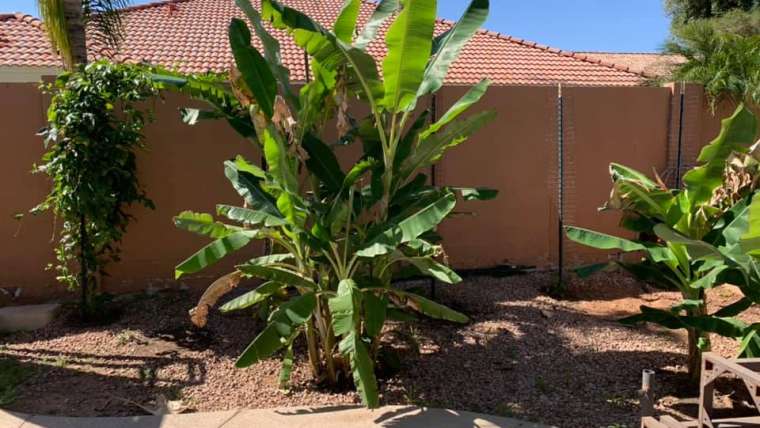
Mangosteen. Sounds exotic, right? That’s because it is. Often called the “queen of fruits,” this little gem is a tropical superstar. Imagine if a peach and a pineapple got together, and somehow ended up with a smoother, more delicate flavor. That’s mangosteen: sweet, juicy, and just the right amount of tang to make it feel like a treat without being overly indulgent.
It’s a bit of a diva to grow, though. Mangosteen trees are picky—they need a warm, humid environment to thrive, and they’re not exactly the kind of fruit that’ll bloom in your backyard without a little attention. They take their sweet time, too, often requiring several years before they even start producing fruit. But when they do? Oh, it’s worth the wait.
The tree itself? Stunning. Dark, glossy leaves that practically scream “tropical paradise,” with a dense canopy that offers plenty of shade. And while mangosteen isn’t exactly low-maintenance, if you give it the right conditions—well, it’s going to give you a fruit that’s absolutely out of this world. Just don’t try to rush it. Mangosteen knows how to take its time, and we’re all better for it.
Mangosteens are not only delicious but also packed with essential nutrients such as vitamins C and B, fiber, and powerful antioxidants called xanthones, which contribute to its health benefits.
Mangosteens are often enjoyed fresh but can also be used in various culinary applications, including desserts, juices, and salads, adding an exotic flavor to a wide array of dishes.
How to Grow Mangosteen Trees

Growing Mangosteen tree can be rewarding but requires patience and specific conditions. Below is a detailed guide on how to plant, grow, and harvest mangosteen.
Planting Mangosteen
A. Choosing the Right Environment:
- Climate: Mangosteen thrives in hot, humid, and tropical climates. It requires a stable temperature between 25-35°C (77-95°F) and high humidity.
- Soil: The soil should be well-draining, rich in organic matter, and slightly acidic (pH 5.0-6.5).
B. Seed Preparation:
- Source Fresh Seeds: Use fresh seeds from a ripe mangosteen fruit, as they lose viability quickly.
- Soak Seeds: Soak the seeds in water for 24 hours before planting to enhance germination.
C. Planting Process:
- Pot or Ground: Mangosteen trees can be started in pots or directly in the ground. If starting in pots, ensure they are at least 12 inches deep.
- Planting Depth: Plant seeds about 1 inch deep in the soil.
- Watering: Keep the soil consistently moist but not waterlogged.
Growing Mangosteen
A. Seedling Care:
- Light: Provide partial shade for young seedlings. Too much direct sunlight can damage them.
- Watering: Water regularly to maintain soil moisture. Avoid letting the soil dry out completely.
B. Transplanting:
- When to Transplant: After 2-3 years, when the seedlings are about 12-18 inches tall, they can be transplanted to their permanent location.
- Spacing: Space the trees about 20-25 feet apart to allow for growth.
C. Tree Care:
- Mulching: Apply organic mulch around the base of the tree to retain moisture and regulate soil temperature.
- Fertilizing: Use a balanced fertilizer (e.g., 10-10-10 NPK) every few months, especially during the growing season.
- Pruning: Minimal pruning is needed, mainly to remove dead or diseased branches.
Harvesting Mangosteen
A. Time to Maturity:
- Mangosteen trees take about 8-10 years to bear fruit when grown from seeds.
B. Identifying Ripe Fruits:
- Appearance: Ripe mangosteen fruits are deep purple.
- Texture: The fruit should yield slightly to gentle pressure but not be too soft.
C. Harvesting Method:
- Hand Picking: Gently twist or cut the fruit from the tree to avoid damaging it.
- Care: Handle the fruits with care as they bruise easily.
Mangosteen Growing Zone
- USDA Zones: Mangosteen is suitable for USDA hardiness zones 10 and higher. These zones provide the necessary warmth and humidity. It is not frost-tolerant and cannot withstand cold temperatures.
Tips for Success
- Patience: Mangosteen trees are slow growers and require patience. Ensure you are committed to long-term care.
- Pests and Diseases: Watch for common tropical pests and diseases. Use appropriate organic or chemical controls as needed.
- Environment: Ensure the growing environment remains consistent, with minimal fluctuations in temperature and humidity.
Growing Mangosteen FAQ
Mangosteen (Garcinia mangostana) is a tropical fruit known for its sweet and tangy flavor, often referred to as the “queen of fruits.”
Mangosteen thrives in tropical climates with high humidity, ample rainfall, and temperatures consistently between 25-35°C (77-95°F). It is commonly grown in Southeast Asia, particularly in Thailand, Malaysia, and Indonesia.
Mangosteen can be grown from seeds, but it is a slow process. Seeds should be planted in a warm, moist environment and may take several months to germinate.
Mangosteen trees typically take 8-10 years to start bearing fruit. In optimal conditions, fruiting can sometimes occur earlier.
Mangosteen fruit is ready to harvest when the outer rind turns deep purple. The fruit should be carefully picked by hand to avoid damage.
Sign up to get our FREE weekly emails
Gardening guides, tips, & videos delivered right to your inbox!