

Custard Apple. Odd name, but wow, what a fruit. If you’ve never tasted one, picture the love child of a banana and a pear, with a dash of creamy coconut thrown in for good measure. Sweet, smooth, and just a little tangy, custard apples are a tropical delight that’ll make you forget about any other fruit, at least for a while.
They bloom in spring, hit their peak ripeness in summer, and (here’s the kicker) they don’t take years to bear fruit. A lot of varieties can start producing in just 2-3 years, so you won’t be left waiting forever. But don’t get too eager—while they can be grown in pots, custard apples prefer a little room to stretch out, so consider planting them in the ground for best results.
As for care, they’re not overly needy, but they like a warm spot, regular watering, and maybe a little bit of fertilizer now and then to keep them happy. And let’s not forget the tree itself—it’s a stunner. With large, glossy leaves and a soft, inviting scent, it practically screams “tropical paradise.” And hey, some folks even use the leaves for medicinal purposes.
The fruit is rich in nutrients, including vitamins C and B6, magnesium, and potassium. It’s often eaten fresh or used in desserts, smoothies, and salads. The custard apple is valued for its delicious flavor, which is a mix of banana, pineapple, and strawberry.
Growing custard apples can be a rewarding experience as they are delicious and nutritious. Custard apple trees are also relatively easy to grow.
How to Grow Custard Apples
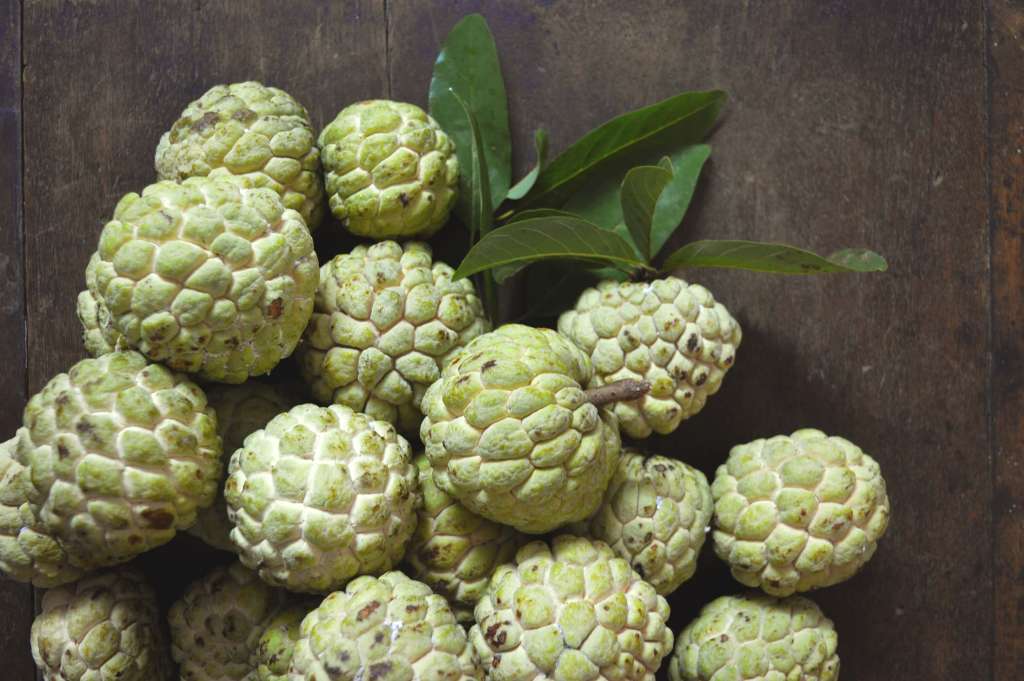
Planting, growing, and caring for custard apple trees requires some specific steps to ensure healthy growth and a fruitful harvest. Below is a detailed guide.
Planting Custard Apple Trees
1. Choosing the Right Location:
- Climate: Custard apple trees thrive in tropical and subtropical climates. They prefer warm temperatures and can tolerate short periods of frost.
- Sunlight: Choose a location that receives full sun for at least 6-8 hours a day.
- Soil: Well-drained, sandy loam soil with a pH between 6.5 and 7.5 is ideal. Ensure the soil is rich in organic matter.
2. Planting Time:
- The best time to plant custard apple trees is during the spring or early summer when the temperatures are warm.
3. Planting Steps:
- Preparation: Dig a hole twice as wide and just as deep as the root ball of the sapling.
- Planting: Place the tree in the hole, making sure the top of the root ball is level with the surrounding soil. Backfill with soil and press down gently to eliminate air pockets.
- Watering: Water the tree thoroughly after planting to settle the soil around the roots.
Growing Custard Apples
1. Watering:
- Custard apple trees need regular watering, especially during dry spells. Keep the soil consistently moist but not waterlogged. Deep watering once a week is recommended.
2. Mulching:
- Apply a 2-3 inch layer of mulch around the base of the tree to retain soil moisture, regulate soil temperature, and reduce weed growth. Keep the mulch a few inches away from the trunk to prevent rot.
3. Fertilizing:
- Use a balanced fertilizer (10-10-10 NPK) every 2-3 months during the growing season. Apply the fertilizer in a circle around the tree, staying a foot away from the trunk. Incorporate compost or well-rotted manure into the soil annually to enrich it with organic matter.
4. Pruning:
- Prune the custard apple tree during the dormant season to remove dead, diseased, or crossing branches. Shape the tree to allow good air circulation and light penetration. Regular pruning encourages healthy growth and fruit production.
Caring for Custard Apple Trees
1. Pest and Disease Control:
- Watch for common pests such as aphids, scale insects, and fruit borers. Use organic insecticidal soap or neem oil to control infestations. Monitor for diseases like root rot and fungal infections, and apply appropriate fungicides if needed.
2. Harvesting:
- Custard apples are ready to harvest when the fruit turns slightly yellowish-green and the segments begin to separate slightly. Gently twist or cut the fruit from the tree. Custard apples do not ripen off the tree, so pick them when they are fully mature.
3. Winter Care:
- In colder climates, protect the tree from frost by covering it with frost cloths or burlap. Mulch heavily around the base to insulate the roots.
Custard Apple Growing Zone
- Zones 8-13: Custard apples grow best in USDA hardiness zones 8 through 13.
Tips for Success
- Pollination: Custard apple trees benefit from hand pollination to increase fruit set, especially if insect pollinators are scarce.
- Spacing: Ensure adequate spacing (15-20 feet apart) between trees to allow for proper growth and air circulation.
- Weeding: Keep the area around the tree free of weeds to reduce competition for nutrients and water.
Growing Custard Apples FAQ
Custard apples (Annona reticulata) are tropical fruits that thrive in warm climates. They are primarily grown in regions with a tropical or subtropical climate, including parts of the Americas, the Caribbean, India, and Southeast Asia.
No. Custard apple, also known as Sugar apple or Sweetsop, has a sweet, creamy flesh with a custard-like texture and a green, bumpy exterior. In contrast, soursop, also known as Graviola, has a tart flavor reminiscent of a blend of strawberry and pineapple, with a green exterior covered in soft, spiky projections.
Custard apple trees require full sun to grow well. Ensure they receive at least 6-8 hours of direct sunlight daily.
Custard apples can be propagated from seeds, cuttings, or grafting. Seed propagation is common, but for better fruit quality, grafting is recommended.
Custard apple trees typically start bearing fruit 3-4 years after planting. The fruiting season varies by region but generally occurs in late summer to early fall.
Custard apples are ripe when they turn slightly yellow or pale green and become soft to the touch. The fruit should yield slightly when gently pressed.
Yes, custard apples can be grown in large containers. Use a well-draining potting mix and ensure the container receives full sun. Regular watering and fertilization are crucial for container-grown trees.
Prune custard apple trees in late winter or early spring to remove dead or diseased branches and to shape the tree. Pruning helps improve air circulation and sunlight penetration.
Sign up to get our FREE weekly emails
Gardening guides, tips, & videos delivered right to your inbox!


