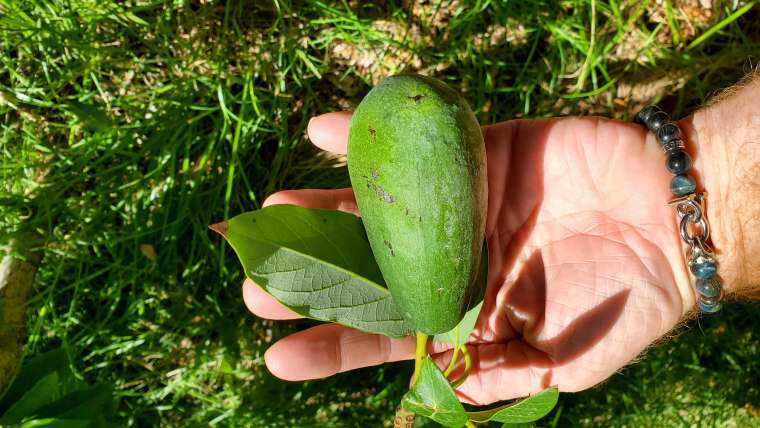
Banana plants are not only a staple in many tropical and subtropical gardens, but they also provide a beautiful and functional addition to any garden.
Regardless if one is growing bananas for their delicious fruit or for their striking foliage, banana plants are fairly easy to grow with the right conditions. However, to maximize their growth and health, you should consider companion planting.
Companion planting is a gardening technique that involves planting certain types of plants together that can benefit each other in some way.
In this guide, we will explore the benefits of companion planting for bananas, suggest the best plants to grow with bananas, outline those you should avoid, and provide tips for successful companion planting.
Why You Should Consider Companion Planting for Bananas
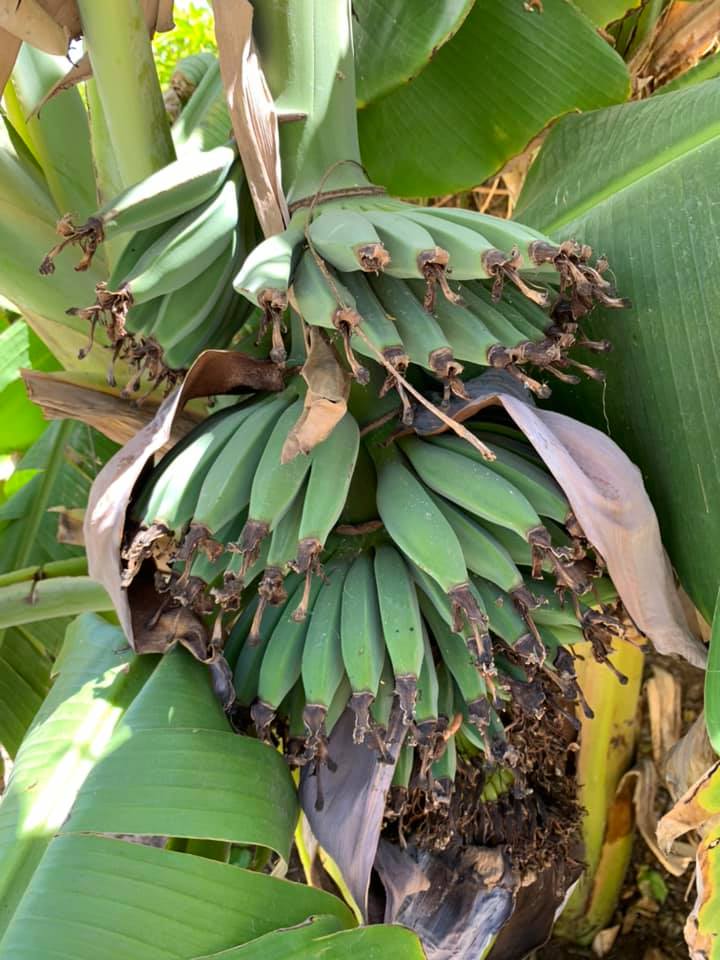
Companion planting for banana plants can offer several advantages for both the banana plants themselves and other plants in your garden. When paired correctly, certain plants can improve the growing conditions for bananas, enhance fruit production, and protect bananas from pests and diseases.
In tropical and subtropical regions, where bananas are naturally grown, companion planting has been used for centuries to improve yields and create balanced ecosystems in gardens and farms. Here are some reasons why you should consider companion planting with bananas:
- Improved Growth and Yield: Certain companion plants can help enhance the growth of banana plants by providing nutrients, shading, or improving soil conditions. For example, some plants help fix nitrogen in the soil, which is crucial for bananas to grow strong and healthy. Moreover, plants that provide ground cover can protect banana roots from extreme heat and moisture loss.
- Pest Control: One of the most significant benefits of companion planting is pest management. Some plants repel harmful insects, such as aphids, caterpillars, and spider mites, which are common pests of banana plants. Additionally, companion plants can attract beneficial insects like ladybugs or predatory wasps that help keep pest populations under control.
- Disease Prevention: Growing bananas alongside certain plants can also reduce the spread of diseases by improving air circulation, reducing the number of water droplets on the banana leaves, and deterring the growth of harmful fungi and pathogens. Proper companion planting helps to establish a more resilient and balanced ecosystem.
- Better Soil Health: Certain plants can improve soil health by enhancing soil structure, increasing organic matter, or providing beneficial microbes that work to break down nutrients and make them more available for your banana plants. Healthy soil leads to healthier plants and, ultimately, better yields.
Best Companion Plants for Bananas
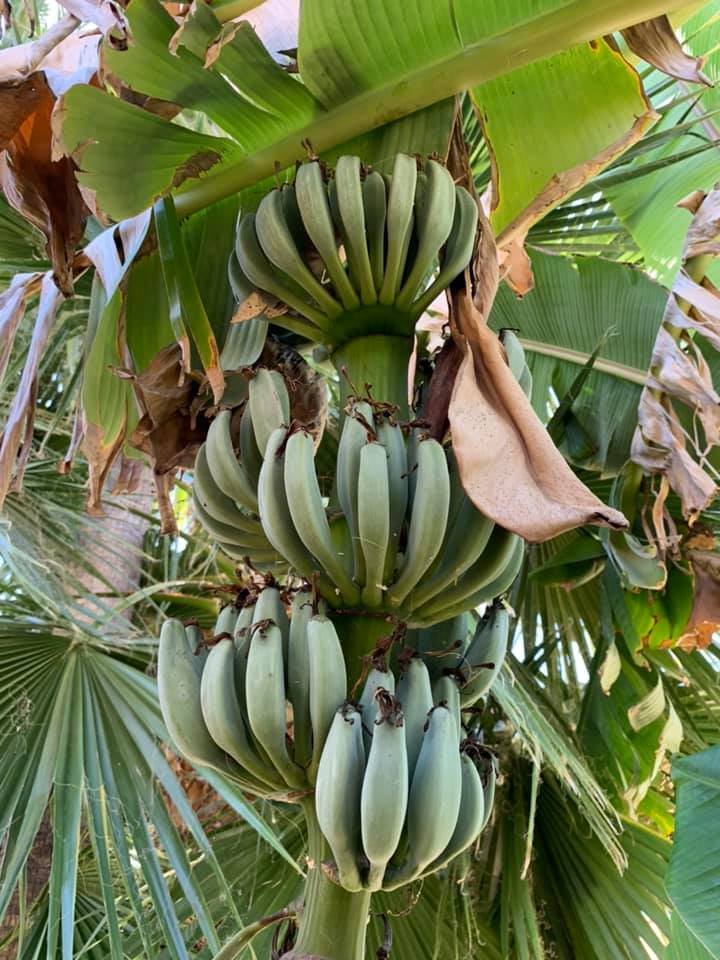
Choosing the right companion plants for bananas is essential to creating a harmonious and productive garden. Here are some of the best companion plants that work well with bananas:
1. Legumes (Beans and Peas)
Legumes, such as beans and peas, are fantastic companion plants for banana plants because they are nitrogen fixers. They enrich the soil by converting nitrogen from the air into a form that plants can use.
Banana plants thrive on nitrogen-rich soil, so planting legumes nearby can help provide the necessary nutrients for optimal growth. These plants will not only improve soil fertility but will also create a natural mulch that helps conserve moisture and protect the banana roots.
2. Marigolds
Marigolds are not only beautiful, but they also provide pest-repelling benefits. The strong scent of marigolds deters nematodes, aphids, and other pests that may harm your banana plants.
These hardy flowers thrive in the same conditions as banana plants and can help keep the area around your banana plant pest-free. In addition, marigolds attract beneficial insects like pollinators, which are essential for overall garden health.
3. Comfrey
Comfrey is a nutrient-dense plant that can benefit bananas in several ways. Its deep roots break up compacted soil and draw up nutrients from deep within the earth, which are then made available to the banana plant.
Additionally, comfrey leaves can be used as mulch, providing a rich organic material that helps to retain moisture and regulate temperature around the banana plant. Comfrey is also an excellent source of potassium, which is an essential nutrient for banana plants.
4. Sweet Potatoes
Sweet potatoes are another excellent companion for bananas. They grow well in the same conditions, such as warm temperatures and plenty of sunlight.
Sweet potato vines also act as a ground cover, preventing soil erosion and helping to keep the area around your banana plants cool and moist. Sweet potatoes do not compete with bananas for nutrients, as they have different root systems, and they can help maintain healthy soil.
5. Cabbage Family (Broccoli, Kale, Cabbage)
Members of the cabbage family, such as broccoli, kale, and cabbage, can be great companions for banana plants. These plants can help provide shade for the banana’s roots, preventing soil dehydration, while also thriving in the rich, moist soil conditions that bananas prefer.
Additionally, they can help attract beneficial insects, such as aphid predators, that can protect bananas from harmful pests.
6. Herbs (Basil, Oregano, Mint)
Herbs like basil, oregano, and mint not only add flavor to your meals, but they can also act as natural pest repellents. These herbs are known to deter harmful insects like mosquitoes, aphids, and beetles, which can harm banana plants.
Many herbs also have strong scents that confuse pests and prevent them from attacking your bananas. Additionally, some herbs, like basil, can improve the flavor of bananas by enhancing the overall soil health and nutrient profile.
7. Aloe Vera
Aloe vera is a beneficial companion plant for bananas, especially in regions where banana plants are susceptible to fungal diseases.
Aloe vera has antifungal properties that can help reduce the risk of fungal infections in bananas. It can also tolerate the same growing conditions as bananas, making it a low-maintenance addition to your garden.
Plants to Avoid Planting Near Bananas
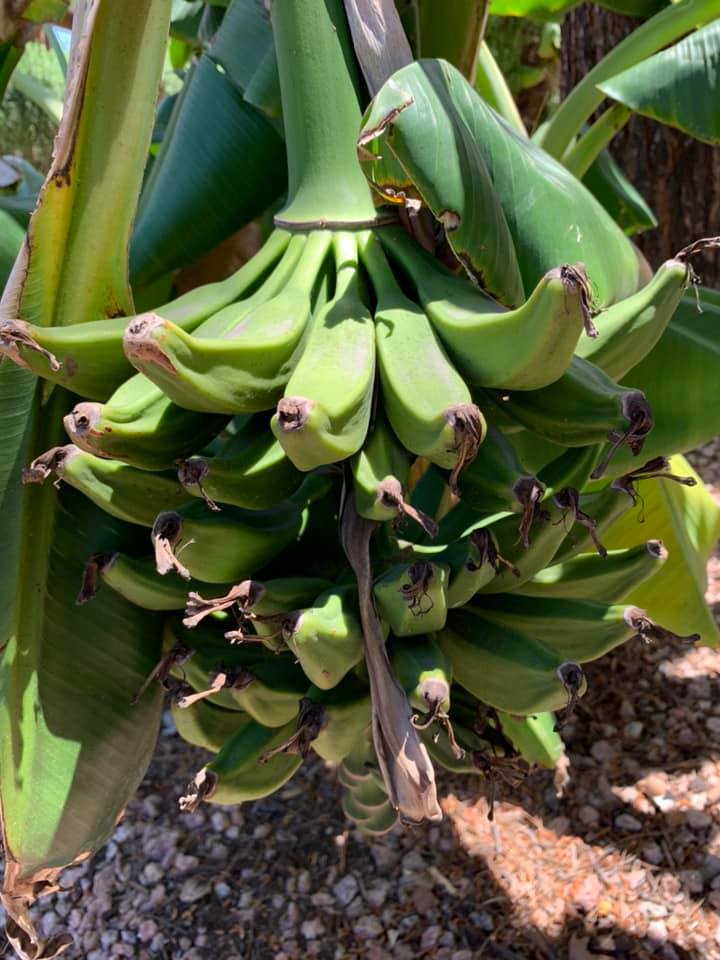
While some plants are ideal companions for bananas, others can negatively impact their growth. Here are some plants you should avoid planting near bananas:
1. Nightshades (Tomatoes, Peppers, Potatoes)
Nightshade plants, such as tomatoes, peppers, and potatoes, should be avoided near banana plants. These plants compete for similar nutrients and can introduce diseases like blight that could spread to your bananas.
Moreover, nightshades tend to attract pests like aphids and caterpillars, which can also harm banana plants.
2. Cucumbers
Cucumbers are another plant to avoid planting near bananas. Although both plants prefer similar soil conditions, cucumbers are often susceptible to similar fungal diseases and pests as bananas.
Growing cucumbers next to bananas can increase the risk of these issues, making it harder to keep both plants healthy.
3. Onions and Garlic
While onions and garlic are known for their ability to repel certain pests, they do not work well when planted next to bananas.
The strong smell of these plants can interfere with the natural growth patterns of bananas, potentially stunting their development. Additionally, onions and garlic can compete for nutrients, particularly nitrogen, which bananas need in large quantities.
4. Strawberries
Strawberries can sometimes be problematic as companions for bananas. While they have similar growing needs, strawberries can be highly prone to fungal diseases that bananas can also suffer from.
Growing strawberries next to bananas can increase the chance of disease transmission, potentially harming both crops.
Tips for Growing Companion Plants with Bananas
When planting companions with bananas, it’s essential to keep a few key considerations in mind:
- Proper Spacing: Banana plants need space to grow, as they can get quite large. Ensure that your companion plants are spaced appropriately to avoid overcrowding and competition for resources like water, nutrients, and sunlight.
- Mulching: Companion plants can help maintain moisture in the soil around banana plants, but adding organic mulch around the base of your banana plant can help retain moisture even more effectively. Mulch also helps suppress weeds and keeps the soil temperature stable.
- Watering Needs: Bananas require a lot of water to thrive, so it’s important to consider the watering needs of your companion plants. Ensure that your companion plants have similar water requirements to avoid overwatering or underwatering.
- Regular Pruning: Keep your banana plants and companion plants well-pruned to ensure they don’t become overcrowded. This will help improve airflow and light penetration, reducing the likelihood of diseases and promoting healthy growth.
- Monitor Pests and Diseases: While companion planting can help deter pests, it’s essential to regularly monitor your plants for signs of pests or diseases. Prompt action, such as removing affected leaves or introducing beneficial insects, will ensure that your banana plants and their companions stay healthy.
Conclusion
Companion planting is a great way to enhance the growth and health of your banana plants while also creating a harmonious ecosystem in your garden. By choosing the right companions, such as legumes, marigolds, or comfrey, you can boost soil health, deter pests, and improve the overall growth of your banana plants.
Conversely, avoid planting nightshades, cucumbers, onions, garlic, and strawberries near bananas to minimize competition for resources and reduce the risk of disease. By following these tips and understanding the needs of your banana plants and their companions, you can create a thriving and productive garden that benefits everyone involved.
Sign up to get our FREE weekly emails
Gardening guides, tips, & videos delivered right to your inbox!