
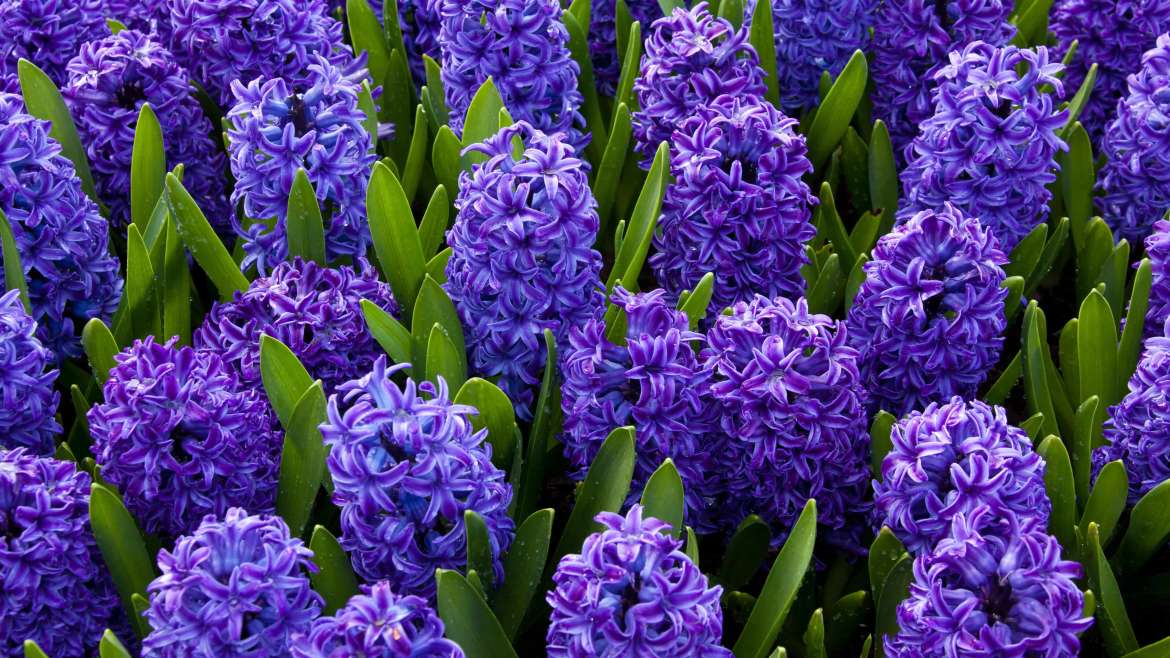
Growing lavender in containers provides so many benefits, particularly for those with limited garden space or challenging soil conditions. Containers allow you to control the soil quality, ensuring the well-drained, slightly alkaline environment that lavender thrives in.
In addition, containers make it easier to move lavender to optimal sun exposure, especially in colder climates where plants may need to be brought indoors during the winter.
Lavender in pots also adds a fragrant, ornamental touch to patios and balconies, while helping to keep pests at bay due to its natural insect-repellent properties.
How to Grow Lavender in Pots

Lavender is a beautiful, fragrant plant that thrives in sunny, well-drained environments. Here’s a complete guide to successfully growing lavender in containers.
1. Choosing the Right Lavender Variety
Lavender comes in many varieties, and not all are suitable for containers. When selecting a lavender type for container gardening, consider the following:
- English Lavender (Lavandula angustifolia): Hardy and compact, ideal for cooler climates.
- French Lavender (Lavandula dentata): Tolerates heat well, but not frost-resistant.
- Spanish Lavender (Lavandula stoechas): Best for warm climates, with distinctive “rabbit ear” blooms.
- Lavandin (Lavandula x intermedia): A hybrid variety with longer stems, great for sunny, warm climates.
Smaller or dwarf varieties, such as Hidcote or Munstead, are especially good choices for containers due to their compact growth.
2. Selecting the Right Container
Lavender prefers containers that are large enough for proper root development and offer good drainage. Consider the following when choosing your container:
- Size: Choose a pot that is at least 12-16 inches wide and deep. This allows enough room for the roots to spread.
- Material: Terracotta or clay pots are ideal because they allow for better airflow and moisture evaporation, preventing waterlogging.
- Drainage: Ensure the container has drainage holes at the bottom. Lavender hates sitting in water, so good drainage is essential.
3. Choosing the Right Soil
Lavender requires well-draining soil to prevent root rot. The soil mix should replicate its natural Mediterranean habitat.
- Soil Mix: Use a light, sandy, or gritty soil mix. You can use a pre-made cactus or succulent mix or create your own by mixing:
- 2 parts potting soil
- 1 part sand or perlite
- 1 part compost
Adding a bit of lime to the soil mix can help keep the pH level around 6.5-7.5, which lavender prefers.
4. Planting Lavender in Containers
Once you have the right lavender variety, container, and soil, it’s time to plant:
- Fill the Pot: Fill the container with your prepared soil mix, leaving about 2 inches of space at the top.
- Plant the Lavender: Dig a small hole in the center, place your lavender plant, and gently firm the soil around the base. Make sure the crown of the plant (where the roots meet the stems) is just above the soil level.
- Water Thoroughly: After planting, water the lavender well to help it establish.
5. Caring for Lavender in Containers
Lavender is low-maintenance, but there are a few key care tips to ensure it thrives in containers.
- Watering: Lavender prefers dry conditions. Water the plant when the top 1-2 inches of soil feel dry. During the growing season, you may need to water once or twice a week. Be careful not to overwater.
- Sunlight: Place the container in a location that receives at least 6-8 hours of full sunlight per day. Lavender loves the sun and needs it to bloom well.
- Fertilizing: Lavender doesn’t need much fertilizer. A light feeding of a balanced, slow-release fertilizer in spring should be enough. Over-fertilizing can cause leggy growth.
- Pruning: Prune lavender after it blooms to maintain a compact shape. Cut back about one-third of the plant, avoiding cutting into the woody stems, as this can cause damage.
- Winter Care: If you live in a region with cold winters, bring the lavender indoors during frost periods. Place it near a sunny window or under grow lights.
6. Dealing with Pests and Diseases
Lavender is generally pest-resistant due to its aromatic oils, but you may encounter some issues:
- Root Rot: Overwatering is the most common issue with lavender in containers. Make sure the soil drains well and the plant doesn’t sit in water.
- Aphids: These tiny pests may appear, especially on new growth. You can control them with a spray of soapy water or by using neem oil.
7. Harvesting Lavender
Lavender flowers can be harvested once the buds are fully formed but before they have opened for the best fragrance.
- When to Harvest: Harvest lavender in the morning after the dew has dried but before the heat of the day.
- How to Harvest: Use sharp scissors or pruners to cut the stems. Cut about 1/3 down the length of the stem, leaving some foliage for regrowth.
- Drying Lavender: Hang the harvested stems upside down in a cool, dark place to dry. Once dried, you can use the lavender in sachets, oils, or potpourri.
8. Benefits of Growing Lavender in Containers
- Portability: Containers allow you to move your lavender to different locations, making it easier to protect from frost or position in better sunlight.
- Control Over Soil: You can create the perfect soil mix for lavender, avoiding the heavy or clay soils common in some gardens.
- Decorative Element: Lavender’s silvery foliage and fragrant blooms make it a beautiful addition to patios, balconies, or small garden spaces.

FAQ
Yes, lavender grows well in pots, as long as the pot has good drainage and is large enough for the plant’s roots to spread.
Lavender prefers to dry out between waterings. Water thoroughly, but wait until the top inch of soil is dry before watering again. Overwatering can lead to root rot.
Prune your lavender regularly to keep it compact and encourage bushier growth. Cut back about one-third of the plant after it blooms to maintain shape and promote new growth.
Sign up to get our FREE weekly emails
Gardening guides, tips, & videos delivered right to your inbox!


