Are you longing to grow your own fresh and spicy peppers, but don’t have a sprawling garden? Fear not! In this step-by-step guide, we will show you how to successfully grow peppers in pots, no matter how limited your space may be.
Growing peppers in containers is a fantastic solution for individuals living in small apartments, urban areas, or anyone who simply wants the convenience of having peppers right at their fingertips. Not only will you be able to enjoy the flavor and heat of homegrown peppers, but you’ll also have a beautiful display of vibrant plants adorning your balcony or patio.

We will provide you with all the essential tips, tricks, and advice you need to get started on your pepper-growing journey. From selecting the right container and soil mix to mastering the art of watering and fertilizing, we’ve got you covered. We’ll even share our secrets for maximizing yields and dealing with common pests and diseases.
With our expert guidance, you’ll soon be harvesting a bountiful crop of delicious peppers that will add a zing to your favorite dishes. Let’s dig in and begin your flavorful adventure!
Benefits of Growing Peppers in Containers
Growing peppers in pots offers numerous advantages, especially for those with limited garden space. First and foremost, container gardening allows you to cultivate a variety of pepper types right at your doorstep, whether that be on a balcony, patio, or even a windowsill. This convenience means that fresh peppers are just a few steps away, allowing for an immediate harvest whenever you need them for cooking or snacking. The accessibility of homegrown produce not only enhances culinary experiences but also encourages a healthier lifestyle by promoting the consumption of fresh vegetables.

Another benefit of growing peppers in pots is that it provides better control over the growing environment. Containers can be moved to optimize sunlight exposure, protect plants from harsh weather, or even relocate them indoors during colder months. This adaptability is particularly advantageous for pepper plants, which thrive in warm conditions. By controlling the environment, gardeners can minimize the impact of pests and diseases, ensuring that their plants grow healthy and productive throughout the season.

Additionally, container gardening allows for a more organized approach to cultivation. You can easily manage different pepper varieties and their specific care requirements by grouping them in designated pots. This makes it simpler to track watering schedules, fertilization, and pest control measures. Moreover, growing peppers in pots can add a vibrant aesthetic to your living space, as these colorful plants can serve as natural decor. With the right care, your pepper plants will not only provide culinary delights but also enhance the overall ambiance of your home.
Choosing the Right Container for Growing Peppers
Selecting the appropriate container is crucial for the success of your pepper-growing endeavor. The size of the pot will greatly influence the growth and yield of the plants. Ideally, peppers need a container that is at least 5 gallons in capacity to provide enough space for their root systems to expand. A pot that is too small can lead to stunted growth and reduced fruit production, so opting for larger containers is always a wise choice. If you are growing multiple plants, consider using larger containers that can accommodate them without overcrowding.
Material is another important factor to consider when choosing a pot. Common materials include plastic, ceramic, and terracotta. Each has its own benefits and drawbacks. Plastic pots are lightweight and retain moisture well, making them an excellent choice for beginners. Ceramic pots, while aesthetically pleasing, can be heavier and may require more frequent watering due to their porous nature. Terracotta pots are also porous, allowing for good air circulation but may dry out quicker, necessitating more diligent watering practices. Ultimately, the best choice depends on your specific gardening conditions and personal preferences.
Drainage is vital for the health of pepper plants, as they are susceptible to root rot if left sitting in water. Ensure that your chosen container has sufficient drainage holes at the bottom. If using pots without drainage, consider adding a layer of gravel or rocks to promote better water flow. Additionally, you can create your own self-watering system using larger containers or by setting up a reservoir beneath the pot. This will help maintain consistent moisture levels, which is beneficial for the growth of your pepper plants.
Selecting the Right Pepper Varieties for Container Gardening
Choosing the right pepper variety is essential for successful container gardening. When selecting peppers, consider your local climate, the amount of sunlight available, and your culinary preferences. Some pepper varieties are better suited for pots than others, particularly those that have a compact growth habit. Dwarf or patio varieties such as ‘Mini Belle’ or ‘Sweet Pickle’ are excellent choices for smaller spaces, as they remain manageable in size while still producing a generous yield.
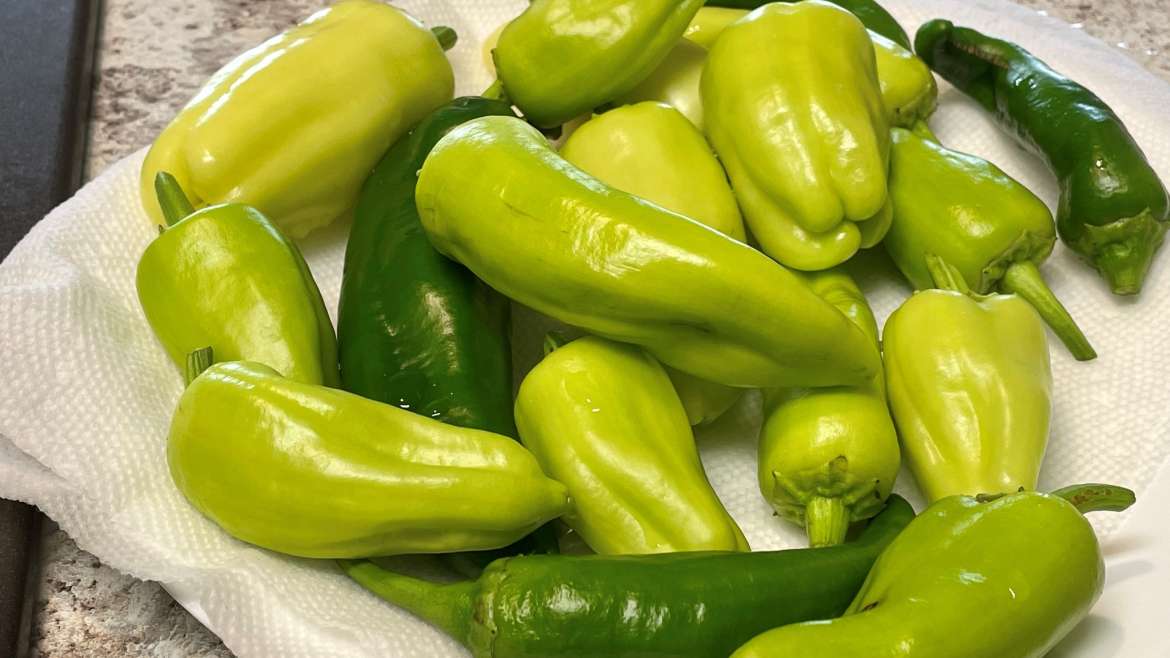
Spicy pepper enthusiasts might enjoy cultivating varieties like ‘Jalapeño’ or ‘Serrano,’ which can thrive in containers while delivering an impressive heat level. For those who prefer milder options, sweet peppers such as ‘Bell’ or ‘Cubanelle’ are great candidates. It’s also worth exploring heirloom varieties, which often come with unique flavors and colors, adding diversity to your container garden. Always check local gardening resources or seed catalogs for recommendations tailored to your region.
Furthermore, consider the growth habit of the peppers you select. Determinate varieties tend to grow to a certain height and stop, making them ideal for pot cultivation. Indeterminate varieties, on the other hand, continue to grow and may require more support as they mature. If you choose indeterminate types, ensure that your containers are sturdy enough to support the plants as they grow taller. By carefully selecting the right varieties, you can maximize your container garden’s potential and enjoy a delicious harvest of fresh peppers.
Soil and Fertilizer Requirements for Growing Peppers in Pots
The foundation of any successful container garden starts with the right soil mix. For growing peppers, a high-quality potting mix is essential, as it provides the necessary drainage, aeration, and nutrients for healthy growth. Look for a potting soil that is specifically formulated for vegetables or herbs, as these blends often contain organic matter, perlite, and vermiculite, ensuring that your pepper plants receive optimal conditions. Avoid using garden soil, which can compact easily and may harbor pests or diseases.
In addition to a suitable potting mix, incorporating organic matter can enhance soil quality. Adding compost or well-rotted manure into your potting mix boosts nutrient levels and improves moisture retention. A rich blend not only supports the growth of vigorous plants but also fosters beneficial microbial activity in the soil. This contributes to a healthier root system, which is vital for nutrient uptake and overall plant vigor.
Fertilization is another critical aspect of growing peppers in pots. Peppers are heavy feeders and benefit from regular applications of balanced fertilizers throughout their growth cycle. A slow-release granular fertilizer can provide a steady supply of nutrients, while liquid fertilizers can be applied every few weeks during the growing season for an extra boost. Look for fertilizers with a balanced ratio, such as 10-10-10, or opt for those higher in phosphorus and potassium to encourage flowering and fruit development. Be cautious not to over-fertilize, as this can lead to excessive foliage growth at the expense of fruit production.
Watering and Maintenance Tips for Container-Grown Peppers
Proper watering is crucial for the health and productivity of container-grown peppers. Due to their limited soil volume, pots can dry out quickly, especially in warm weather. It’s essential to monitor moisture levels regularly. A good rule of thumb is to check the top inch of soil; if it feels dry to the touch, it’s time to water. Aim to water deeply and infrequently, ensuring that the water reaches the root zone. Overwatering can lead to root rot, while underwatering can stress the plants and hinder fruit development.
In addition to regular watering, maintaining a consistent schedule will help your peppers thrive. Using mulch can significantly aid in moisture retention, reducing the frequency of watering needed. Organic mulch, such as straw or shredded leaves, not only conserves moisture but also suppresses weeds and adds nutrients to the soil as it breaks down. Keep in mind that environmental factors such as temperature and wind can affect how quickly your pots dry out, so be prepared to adjust your watering routine accordingly.
Pruning and support are also essential maintenance tasks for container-grown peppers. Regularly inspect your plants for any yellowing leaves or signs of disease, and remove affected foliage to promote airflow and reduce the risk of pests. For taller pepper varieties, consider staking or using cages to provide support as the plants grow. This will prevent branches from breaking under the weight of the fruit and ensure that your plants remain healthy and productive throughout the growing season.
Pest and Disease Management for Peppers in Pots
Pest and disease management is a vital aspect of successfully growing peppers in pots. Container plants can still be susceptible to common pests such as aphids, spider mites, and whiteflies. Regular monitoring is essential for early detection of infestations. Inspect the undersides of leaves and the stems for any signs of pests. If you notice any, act quickly to control them. Organic insecticidal soap or neem oil can effectively manage these pests without harming beneficial insects.
In addition to pests, pepper plants can fall victim to diseases like powdery mildew, blight, or root rot. To minimize the risk of disease, ensure good air circulation around your plants by spacing them properly and avoiding overcrowding. Water in the early morning to allow leaves to dry out during the day, reducing the likelihood of fungal infections. If you encounter disease issues, remove affected plants immediately to prevent spreading and consider using fungicides if necessary.
Preventive measures can significantly reduce the chances of pest and disease problems. Practice crop rotation by not planting peppers in the same containers year after year. This helps disrupt the life cycles of both pests and diseases. Additionally, keeping your gardening area clean and free from debris can help eliminate hiding spots for pests. By staying vigilant and proactive, you can keep your pepper plants healthy and enjoy a bountiful harvest.
Harvesting and Preserving Peppers from Container Gardens
Once your pepper plants have matured and started producing fruit, it’s time to enjoy the fruits of your labor! Knowing when to harvest peppers is key to maximizing flavor and ensuring the best culinary experience. Most peppers can be harvested at various stages, depending on your preference for taste and heat. For instance, bell peppers can be picked while still green, but allowing them to ripen to red will enhance their sweetness. Hot peppers, such as jalapeños, are often best harvested when they reach their full size and have a glossy sheen.
When harvesting, use a sharp pair of scissors or pruning shears to cut the peppers from the plant, leaving a small portion of the stem attached. This method reduces damage to the plant and encourages further fruit production. Always handle the peppers with care to avoid bruising, and wear gloves if you’re harvesting hot varieties to prevent irritation from capsaicin, the compound responsible for their heat.
Once harvested, you can preserve your peppers in several ways, depending on how you plan to use them. Freezing is one of the simplest methods; simply wash, chop, and place them in airtight containers or freezer bags. Alternatively, you can dehydrate peppers for long-term storage. Dehydrated peppers can be ground into powder or rehydrated for use in recipes. Canning is another option, allowing you to create salsas or pickled peppers that can be enjoyed year-round. Regardless of the method you choose, preserving your harvest allows you to savor the taste of homegrown peppers long after the growing season has ended.
Common Challenges and Troubleshooting for Growing Peppers in Pots
While growing peppers in pots can be incredibly rewarding, it’s not without its challenges. One common issue is poor fruit set, which can result from insufficient pollination, inadequate sunlight, or extreme temperatures. Ensure that your pepper plants receive at least six hours of direct sunlight daily. If your area experiences high temperatures, consider providing some shade during the hottest part of the day. Hand-pollinating flowers can also help improve fruit set; gently shake the plants or use a small brush to transfer pollen between flowers.
Another challenge is dealing with nutrient deficiencies, which can manifest as yellowing leaves or stunted growth. If you notice these symptoms, check your fertilization routine and consider performing a soil test. Supplementing with a balanced fertilizer or adding compost can help restore nutrient levels. Additionally, be cautious not to over-fertilize, as this can lead to excessive foliage growth without fruit development.
Pest infestations and diseases are also common hurdles for container gardeners. Regularly inspect your plants for signs of trouble and take action swiftly. If you encounter persistent issues, consider rotating your crops or changing your soil mix to improve drainage and reduce disease risk. With a proactive approach and careful monitoring, you can troubleshoot these challenges and enjoy a successful pepper-growing experience.
Final Tips for Successful Pepper Growing in Pots
Growing peppers in pots can be a fulfilling and enjoyable gardening experience, particularly for those with limited space. As you embark on this flavorful journey, remember to choose the right containers, select suitable pepper varieties, and provide the proper care and maintenance. Regularly monitor your plants for pests and diseases, and be diligent in your watering and fertilizing practices to ensure a bountiful harvest.
Embrace the learning process, as every gardener faces challenges along the way. Utilize resources such as gardening forums, local extension services, or books to deepen your understanding and share experiences with fellow pepper enthusiasts. By staying informed and adaptable, you can cultivate a thriving container garden filled with delicious peppers.
Finally, don’t forget to enjoy the fruits of your labor! Experiment with different pepper varieties in your culinary creations and share your harvest with friends and family. The satisfaction of growing your own food is unparalleled, and with these tips and tricks at your disposal, you are well on your way to becoming a successful pepper gardener in pots.
FAQs
A 5-gallon pot (about 12 inches in diameter) is ideal for most pepper varieties. Larger pots are better if you’re growing bigger plants like bell peppers.
In warmer climates, peppers can grow year-round in containers. In colder areas, they will need to be brought indoors or grown as annuals, as they are sensitive to frost.
Peppers need full sun, about 6-8 hours a day, to thrive. Make sure your pots are placed in a sunny location, such as a balcony, patio, or windowsill.
Water when the top inch of soil feels dry to the touch. Be careful not to overwater; peppers like moist, but not soggy, soil. Ensure the pot has drainage holes to prevent water from accumulating at the bottom.
It’s not ideal to grow multiple pepper plants in a single pot, as they need space to grow. If you want to plant more than one, choose a larger pot (at least 10 gallons) and space them well apart.
Keep an eye on common pests like aphids, spider mites, and whiteflies. Use organic pest control methods like neem oil or insecticidal soap. Also, ensure good air circulation around the plants to reduce pest problems.
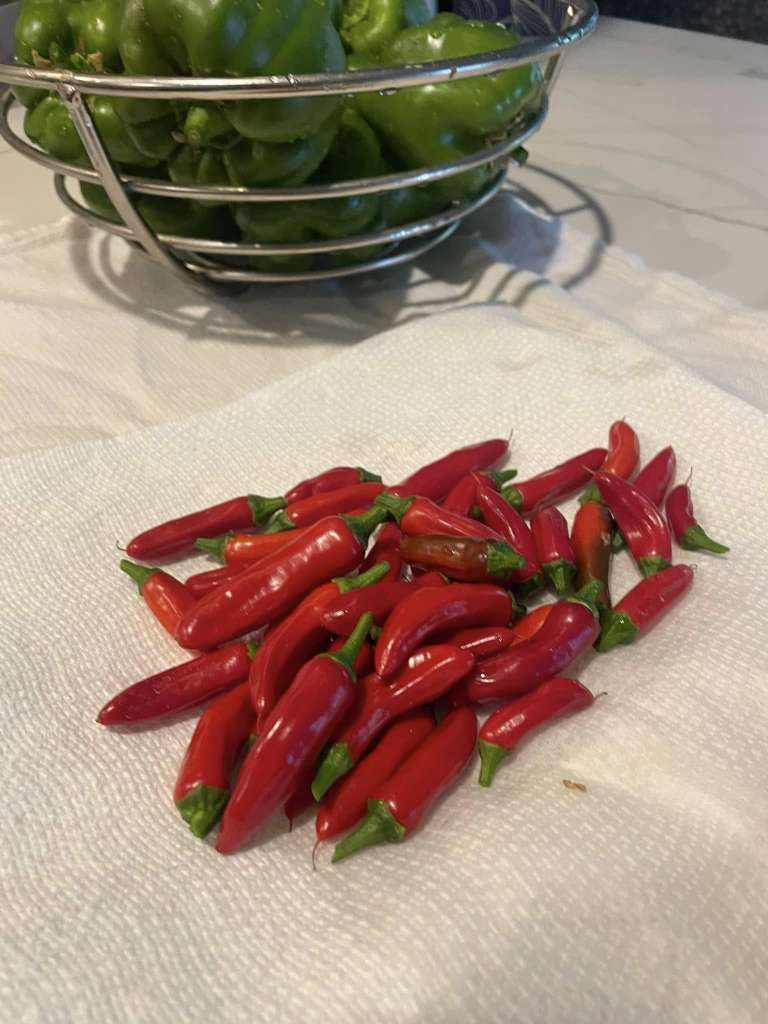
Yes, hot peppers (like jalapeños, habaneros, or cayennes) grow well in pots. They need the same care as other pepper varieties: full sun, well-drained soil, and consistent watering.
Start seeds indoors 8-10 weeks before the last frost, and transplant them outdoors after the danger of frost has passed. You can also start them later in the season in pots.
You can reuse potting soil, but it’s best to refresh it with compost or new soil. Over time, the soil may become depleted of nutrients, so adding fresh amendments will help your peppers thrive.
Sign up to get our FREE weekly emails
Gardening guides, tips, & videos delivered right to your inbox!