

Gooseberries. Odd little fruits, but they pack a punch. If you’ve never tasted one, think of a tangy, slightly tart grape with a little more attitude. The skin’s a bit prickly, but trust me, it’s worth it. When they’re ripe, gooseberries are a unique blend of sweet and sour that makes you appreciate the complexity of nature’s flavors. They’re a bit like the underrated underdog of the fruit world – not as glamorous as peaches, but once you’ve had them, you won’t forget them.
These berries grow on bushes that can be a bit spiky, but they’re sturdy and low-maintenance, perfect for a backyard that wants some fruit without too much fuss. They’ll be ready to harvest by midsummer, and honestly, you could just stand there and pick them all day long—straight from the bush to your mouth.
The plant itself? Pretty tough, actually. Gooseberries like the cold and don’t mind a bit of shade, which makes them great for those cooler, shady spots in your yard where other fruits might struggle. And here’s the bonus: gooseberries are packed with vitamin C, antioxidants, and fiber, making them a superfood in disguise. They’re also surprisingly versatile in cooking—jam, pies, or even savory dishes, the possibilities are endless.
Just don’t expect to plant them in a pot and forget about them. They like to spread out, so give them some space to do their thing. And remember, a little patience goes a long way—the first couple of seasons are all about establishing strong roots and a solid foundation before they really start cranking out those tangy little fruits.
How to Grow Gooseberries
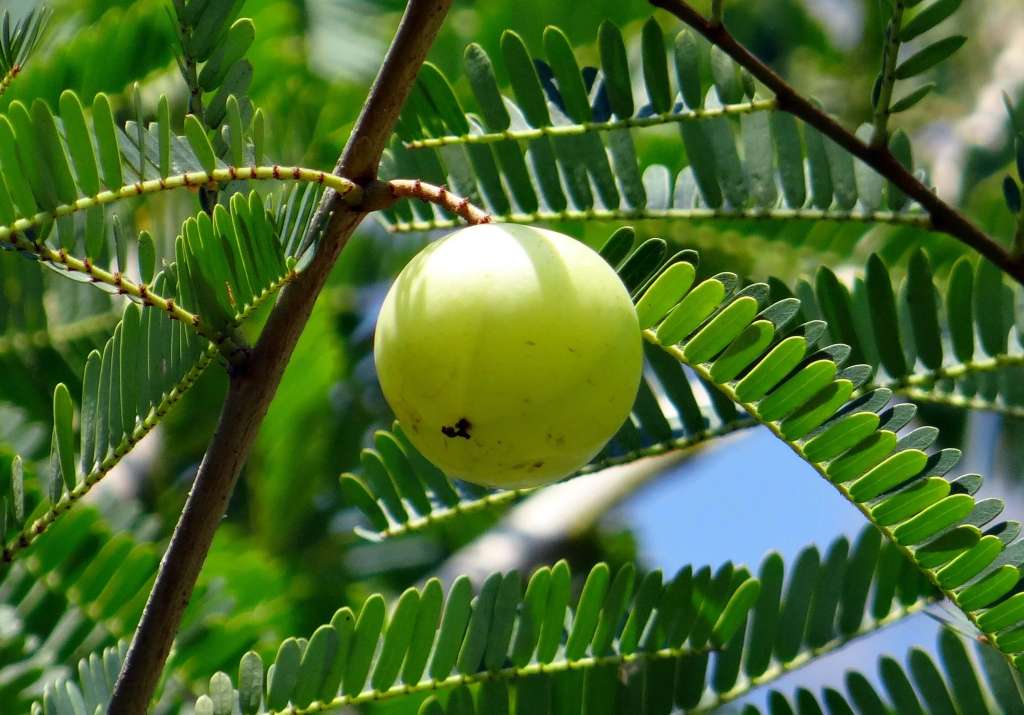
Growing gooseberries can be a rewarding experience, especially since these hardy shrubs produce delicious fruits that can be used in various recipes. Below is a step-by-step guide on how to plant, grow, and harvest gooseberries.
Planting Gooseberries
- Choose a Location: Gooseberries prefer full sun but can tolerate partial shade. They thrive in well-drained, slightly acidic soil with a pH between 6.0 and 6.5.
- Time of Planting: Plant gooseberries in early spring or late autumn when the soil is moist.
- Prepare the Soil: Dig in plenty of organic matter like compost or well-rotted manure. Avoid soils prone to waterlogging.
- Planting Process:
- Dig a hole large enough to accommodate the roots of the gooseberry plant.
- Place the plant in the hole, spreading out the roots.
- Fill in with soil, firming it gently around the base of the plant.
- Water well to settle the soil around the roots.
- Mulch around the base to conserve moisture and suppress weeds.
Caring for Gooseberries
- Watering: Water regularly, especially during dry spells, to keep the soil consistently moist.
- Feeding: Apply a balanced fertilizer in early spring to encourage growth.
- Pruning:
- Prune annually to maintain an open, airy structure. This helps prevent diseases and encourages better fruit production.
- Remove dead or damaged wood and thin out crowded branches to improve air circulation.
- Pest and Disease Control:
- Watch for common pests like aphids, sawflies, and gooseberry mildew. Treat with organic insecticides or appropriate pest management strategies.
- Keep the area around the plants clean and free of debris to reduce disease risk.
Harvesting Gooseberries
- When to Harvest: Gooseberries can be harvested from early summer to mid-summer, depending on the variety.
- How to Harvest:
- For culinary uses, pick the fruits when they are still firm and slightly underripe (green).
- For fresh eating, allow the berries to fully ripen on the bush, turning soft and sweet (usually red or purple).
- Use gloves when harvesting as some varieties have thorny stems.
- After Harvesting:
- Store gooseberries in the refrigerator where they can keep for up to two weeks.
- They can also be frozen for long-term storage or used immediately in jams, jellies, pies, or sauces.
Gooseberries Growing Zones
Gooseberries are typically grown in USDA hardiness zones 3 through 8. They prefer cooler climates and can thrive in areas with mild summers and cold winters.
If you’re planning to grow gooseberries, make sure to choose a variety that suits your specific growing zone, as some are better adapted to certain conditions.
Growing Gooseberries FAQ
Gooseberries thrive in cool, temperate climates. They prefer well-drained, fertile soil with a pH between 6.0 and 6.5. A sunny location with some afternoon shade is ideal to protect the berries from scorching in hot climates.
Gooseberry bushes typically require 4 to 5 feet of space between each plant. They can spread out to 3-4 feet wide and up to 4 feet tall.
The best time to plant gooseberries is in the fall or early spring, while the plants are still dormant. This allows the roots to establish before the growing season.
Water regularly, especially during dry periods. Mulch around the base to retain moisture and suppress weeds. Prune annually in late winter or early spring to remove dead or overcrowded branches and to promote better air circulation.
Gooseberries are usually ready to harvest in late spring to mid-summer, depending on the variety and growing conditions. The berries should be firm but slightly soft and can be green, yellow, or red, depending on the variety.
Yes, gooseberries can be grown in containers. Choose a large pot with good drainage, at least 18 inches in diameter and depth.
Most gooseberry varieties are self-pollinating, meaning they don’t require another plant to produce fruit. However, having more than one plant can increase fruit yield.
Gooseberries can be propagated through hardwood cuttings, layering, or dividing the plant. The best time to take cuttings is in late fall or early winter.
Yes, gooseberries are edible and can be eaten raw, though some varieties may be quite tart. They are also commonly used in cooking, baking, and making jams and jellies.
Sign up to get our FREE weekly emails
Gardening guides, tips, & videos delivered right to your inbox!


