
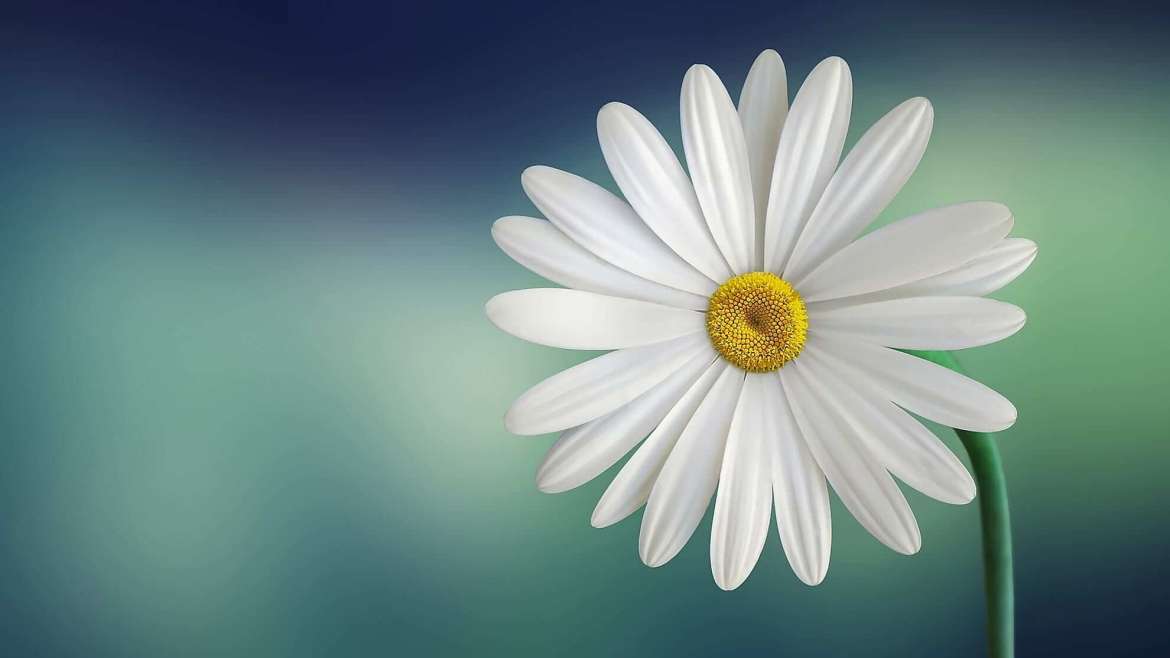
Daisies. Simple name, pure joy. If you’ve never stopped to appreciate one, imagine a flower that’s both cheerful and resilient, like a ray of sunshine that never gets tired of shining. With their bright white petals and cheerful yellow centers, daisies bring a little happiness to any garden, no matter the season.
They bloom in the spring and last well into the summer, making them a go-to flower for anyone looking to add a pop of color without too much hassle. The best part? Daisies are practically foolproof to grow. Stick them in the ground, give them a bit of water, and they’ll reward you with a happy show of flowers. No green thumb required.
But don’t rush to toss them in a pot and call it a day. Daisies like room to spread out, so give them some space to grow. They’re not picky, but they do appreciate a sunny spot and a little care while they get settled in.
And let’s talk about the plant itself—this isn’t just a pretty face. Daisies are tough, thriving in almost any condition, and even have a bit of herbal magic going on. Some say the leaves can be used for teas, or that they have healing properties. But mostly, they’re a symbol of simple beauty.
How to Grow Daisies

Growing daisies is a rewarding and relatively easy gardening task, as daisies are hardy, low-maintenance flowers that can brighten up any garden.
Choosing the Right Variety
- Shasta Daisies: Tall, classic white petals with a yellow center.
- Oxeye Daisies: Smaller, wildflower-like with similar appearance to Shasta.
- Gerbera Daisies: Brightly colored, larger blooms, often used in bouquets.
- English Daisies: Smaller, compact, often used as ground cover.
Planting Daisies
- When to Plant:
- Plant daisy seeds or transplants in early spring after the last frost, or in late summer or early fall to establish before winter.
- Location:
- Choose a sunny spot; daisies prefer full sun but can tolerate partial shade.
- Soil Preparation:
- Daisies prefer well-drained soil with a pH of 6.0-7.0.
- Amend the soil with compost to improve drainage and fertility.
- Planting Depth:
- Sow seeds about 1/8 inch deep, and cover lightly with soil.
- Space transplants 1-2 feet apart depending on the variety.
Growing Daisies
- Watering:
- Water regularly after planting until the plants are established.
- Once established, water deeply but infrequently, allowing the soil to dry out between waterings.
- Fertilizing:
- Apply a balanced fertilizer once in the spring and again in mid-summer.
- Mulching:
- Add a layer of mulch around the plants to retain moisture and suppress weeds.
- Deadheading:
- Regularly remove spent blooms to encourage continuous flowering.
- Pruning:
- Cut back the plants in the fall after the first frost to prepare for winter.
Caring for Daisies
- Winter Care:
- In colder climates, mulch heavily around the plants to protect the roots during winter.
- Pest and Disease Control:
- Daisies are generally pest-free but watch for aphids, slugs, and fungal diseases.
- Treat pests with insecticidal soap and ensure good air circulation to prevent fungus.
- Division:
- Divide perennial daisies every 2-3 years in the spring or fall to prevent overcrowding and rejuvenate the plants.
Additional Tips
- Companion Plants: Plant daisies with other sun-loving flowers like coneflowers, lavender, and black-eyed Susans.
- Cut Flowers: Daisies make excellent cut flowers. Harvest them in the morning when the blooms are fully open for the longest vase life.
Daisies Growing Zone
Daisies are generally hardy and can grow in a variety of climates, but their ideal growing zones vary depending on the specific type of daisy.
Here are the general USDA hardiness zones for some common types of daisies:
- Shasta Daisy (Leucanthemum x superbum): Zones 4-9
- Oxeye Daisy (Leucanthemum vulgare): Zones 3-8
- English Daisy (Bellis perennis): Zones 4-8
- African Daisy (Osteospermum): Zones 9-11
These zones indicate the range of climates in which these daisies are most likely to thrive.
Growing Daisies FAQ
Water your daisies regularly, especially during dry spells. They need about 1 inch of water per week, either from rainfall or supplemental watering. Avoid overwatering, as soggy soil can lead to root rot.
The best time to plant daisies is in the spring after the last frost. This gives them plenty of time to establish themselves before the growing season. You can also plant them in the fall in milder climates.
Yes, daisies can grow well in containers as long as the pot has good drainage and is large enough to accommodate the plant’s root system. Use a quality potting mix and ensure the container receives ample sunlight.
Daisies can be propagated through seed, division, or cuttings. Division is often the easiest method. Simply dig up a mature plant in the spring or fall, separate it into smaller clumps, and replant them.
Daisy height varies depending on the variety. Shasta daisies typically grow 2 to 3 feet tall, while smaller varieties like English daisies might only reach 6 to 12 inches.
While daisies are generally outdoor plants, some smaller varieties can be grown indoors in a sunny window. Make sure they get plenty of light and don’t overwater them.
Daisies love full sunlight and should receive at least 6 hours of direct sunlight each day. They can tolerate partial shade but may not bloom as profusely.
Yes, deadheading (removing spent flowers) encourages more blooms and keeps the plant looking tidy. Simply snip off the faded flowers to promote further blooming.
If your daisies are not blooming, they may not be getting enough sunlight, or the soil might be too rich in nitrogen. Check their growing conditions and make adjustments as needed.
Sign up to get our FREE weekly emails
Gardening guides, tips, & videos delivered right to your inbox!


