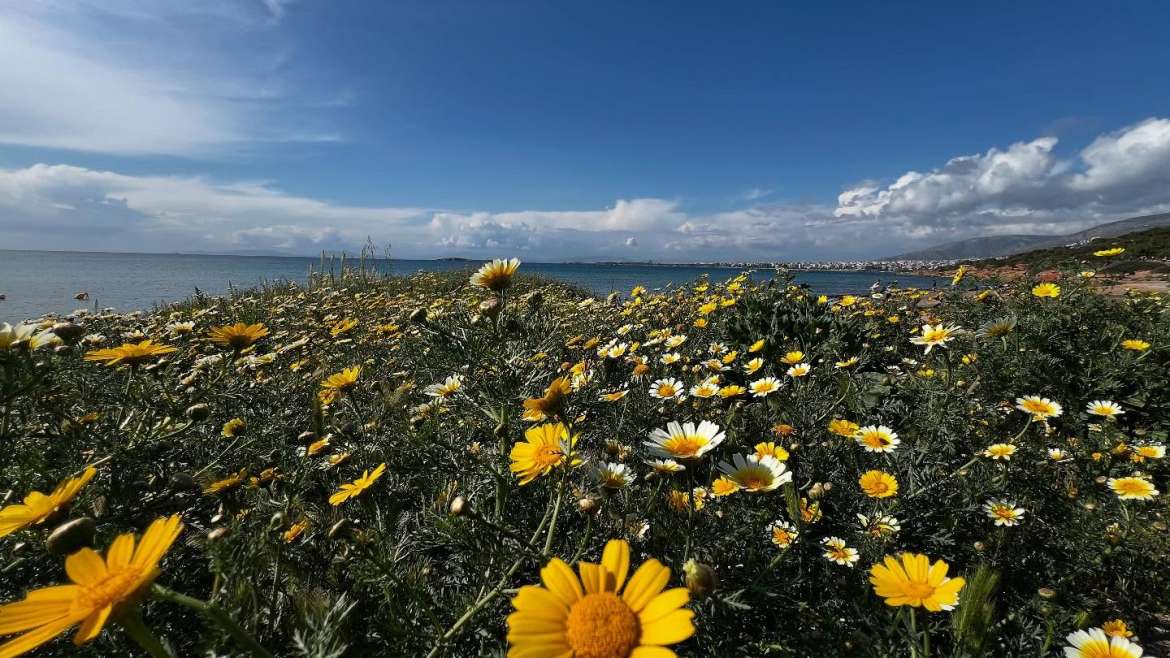
Daisies are among the most beloved flowers in gardens worldwide, thanks to their simple yet elegant appearance and their ability to brighten up any landscape. Regardless if you’re planting them for their beauty, for cut flowers, or for their ability to attract pollinators, daisies can thrive in a variety of conditions. However, their growth and overall health can be enhanced by planting them alongside certain companions.
Companion planting is the practice of pairing different plants together that benefit each other in some way. When done properly, it can help improve pest resistance, promote healthier growth, and even increase the yield of plants in your garden. If you’re a fan of daisies and are looking to make the most of your gardening space, understanding which plants work well with them—and which ones don’t—can make a big difference in the success of your garden.
In this post today, we will explore the concept of companion planting for daisies, look at the best companion plants, and provide tips on how to grow these plants together.
Why You Should Consider Companion Planting for Daisies
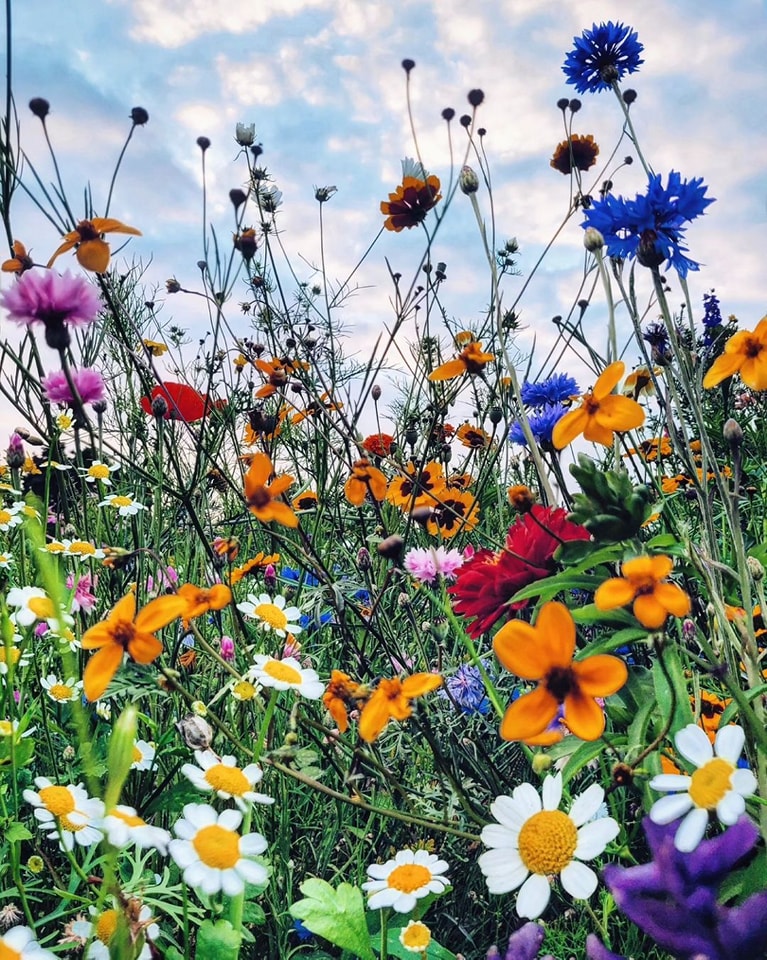
Companion planting for daisies is an excellent way to optimize the growth of your garden while keeping it visually appealing. There are several reasons why you should consider companion planting, each of which contributes to healthier, more productive plants:
1. Pest Control: Some plants naturally deter pests that may otherwise harm your daisies. For example, strong-scented plants like marigolds or garlic can help repel aphids, which are common pests for daisies. By planting these companions next to your daisies, you create a natural barrier that helps protect your plants.
2. Enhanced Growth: Certain plants release beneficial compounds into the soil, improving the nutrient content for nearby plants. These compounds can enhance the growth of your daisies, making them stronger, healthier, and more vibrant.
3. Pollination Support: Daisies are known for attracting pollinators like bees and butterflies. By planting flowering companions such as lavender or borage, you can increase the number of pollinators in your garden, helping to ensure the successful pollination of your daisies and other nearby plants.
4. Space Optimization: Companion planting allows you to maximize the use of your garden space. For example, planting taller companions like sunflowers or corn near your daisies can provide shade and structure, while still leaving enough room for the daisies to grow and spread.
5. Soil Health: Some plants, particularly legumes, are nitrogen fixers. When grown near daisies, these plants help enrich the soil with nutrients, improving soil fertility and creating an ideal growing environment for your daisies.
Ultimately, companion planting can lead to a more harmonious garden ecosystem, reducing the need for chemical fertilizers and pesticides, and promoting biodiversity. By carefully selecting plants that complement each other, you can improve the overall health of your garden and enjoy a flourishing space filled with beautiful flowers.
Best Companion Plants for Daisies
Now that you know why companion planting is beneficial, let’s dive into some of the best plants to grow alongside your daisies. These companions not only enhance the aesthetic of your garden but also improve the health of your daisies in various ways.
1. Marigolds. Marigolds are one of the most popular companion plants due to their strong scent, which is effective at repelling a variety of pests, including aphids, beetles, and nematodes. They also add a splash of vibrant color to the garden, complementing the white and yellow hues of daisies. Marigolds’ ability to keep harmful pests at bay while attracting beneficial insects like ladybugs makes them a perfect companion for daisies.
2. Lavender. Lavender is another great companion for daisies, thanks to its fragrant flowers and ability to attract pollinators such as bees and butterflies. Lavender’s pungent scent is also known to deter mosquitoes and flies, providing an added layer of protection for your daisies. Additionally, lavender thrives in well-drained soil and full sun, which are the same conditions daisies prefer.
3. Nasturtiums. Nasturtiums are easy to grow and offer bright, attractive flowers that can complement the simple beauty of daisies. These plants are particularly effective at attracting aphids away from daisies. Nasturtiums act as a trap crop, luring aphids to their leaves while your daisies remain untouched. They’re also edible, adding an extra bonus to your garden. Furthermore, nasturtiums can help with soil enrichment by adding organic matter as they decompose.
4. Borage. Borage, also known as “starflower,” is another excellent companion for daisies. This herb is known for its ability to attract pollinators, including bees and butterflies, which will benefit all of your flowering plants. Borage also enhances the growth of nearby plants by increasing the nutrient content of the soil and improving overall soil health. It is particularly beneficial for daisy plants because it encourages pollination and provides vibrant blue flowers that pair well with the colors of daisies.
5. Chives. Chives are a great addition to your garden, not only for their culinary uses but also for their ability to ward off pests. The strong odor of chives can help keep aphids, beetles, and other pests away from your daisies. Chives also have shallow roots, which means they won’t compete with daisies for nutrients. Additionally, they thrive in similar growing conditions to daisies, making them an ideal companion.
6. Alliums. Alliums, like garlic and onions, are known for their strong scent, which repels pests such as aphids and slugs. Alliums can also improve the flavor of nearby herbs and vegetables if you’re growing them alongside daisies. The tall, spiky flowers of alliums also add vertical interest to your garden, helping to create a balanced and visually appealing landscape when combined with the low-growing daisies.
Plants to Avoid Planting Near Daisies
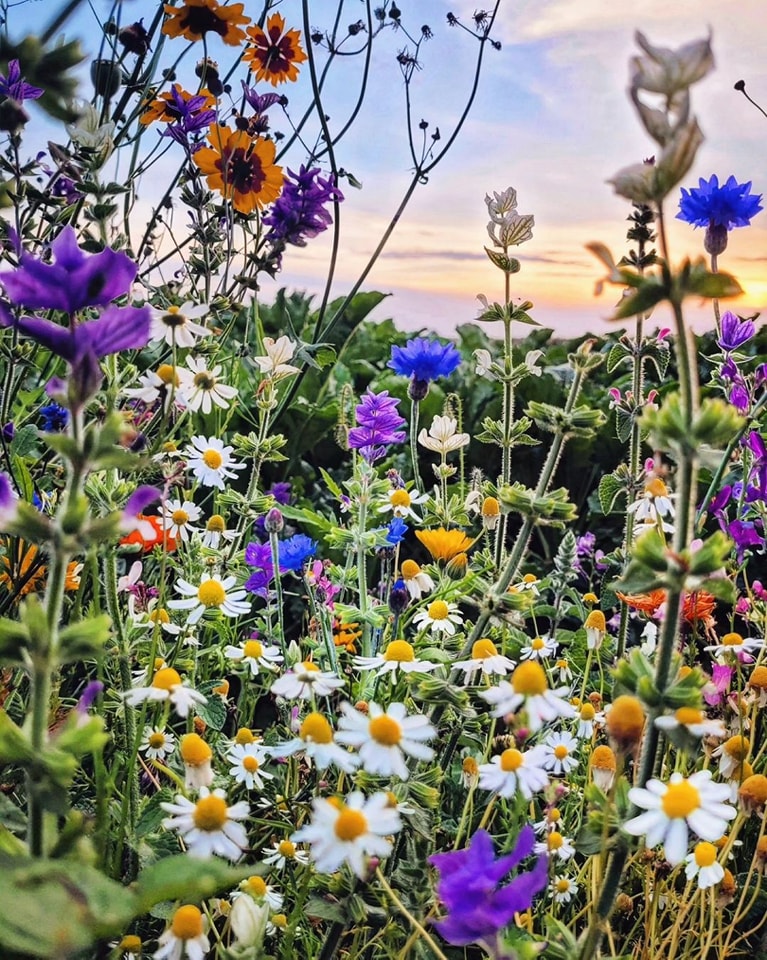
While there are many great companion plants for daisies, there are also a few plants that should be avoided. Some plants can compete for resources like sunlight, water, and nutrients, or they may harbor pests that could harm your daisies. Here are some plants that are best kept away from your daisy garden:
1. Fennel. Fennel is a plant that should be avoided near daisies. It is known to attract aphids and other pests that can damage your daisy plants. Additionally, fennel has deep roots and can compete with daisies for water and nutrients, ultimately hindering their growth.
2. Cabbage Family (Brassicas). Cabbage, broccoli, and other members of the Brassica family can attract cabbage worms, which might spread to your daisies. These pests can damage both your daisies and any other vegetables in your garden. Furthermore, these plants require a significant amount of space and nutrients, which could negatively impact the growth of your daisies.
3. Mint. While mint is a fragrant herb, it can be overly aggressive and invasive in the garden. Mint spreads quickly, and its roots can take over the area where daisies are planted, competing for space and nutrients. If you love mint, it’s best to plant it in a contained space, away from your daisies.
4. Potatoes. Potatoes are another plant that should be avoided near daisies. They can harbor pests such as aphids and potato beetles, which can spread to your daisies. Additionally, potatoes require a lot of nutrients, which could deprive your daisies of the resources they need to thrive.
5. Corn. While corn and daisies can sometimes grow well together, corn can create too much shade for daisies, particularly when the corn plants are tall. Since daisies prefer full sun, the shade from corn can stunt their growth and limit their flowering potential.
Tips for Growing Companion Plants with Daisies
To get the most out of your companion planting efforts, it’s important to follow a few key tips for success:
1. Understand the Growing Conditions: Before planting companion plants, ensure that both your daisies and their companions have similar growing conditions. This includes sunlight, soil type, water requirements, and temperature. Daisies prefer well-drained soil and full sunlight, so choose companions that thrive under the same conditions.
2. Space Wisely: While companion planting is about creating beneficial relationships, it’s also important to give your plants enough space to grow. Avoid overcrowding your daisies with too many companions, as this can lead to poor air circulation and increased competition for nutrients. Planting in layers or in different zones of the garden can help optimize space.
3. Rotate Companion Plants: To maintain soil health, it’s a good idea to rotate your companion plants each season. This helps to avoid depleting the soil of specific nutrients and reduces the buildup of pests. Rotate the plants that are directly next to your daisies to ensure a fresh and healthy growing environment every year.
4. Observe and Adjust: As with any gardening strategy, companion planting is a learning process. Observe how your plants interact throughout the growing season, and adjust your planting choices as needed. If a particular companion seems to attract too many pests or doesn’t grow well with your daisies, consider switching it out for a different plant.
By carefully selecting the right companion plants and following these tips, you can create a thriving and harmonious garden that enhances the beauty and health of your daisies while benefiting the entire ecosystem. Companion planting is an art, but with time and attention, it can yield impressive results.
Sign up to get our FREE weekly emails
Gardening guides, tips, & videos delivered right to your inbox!