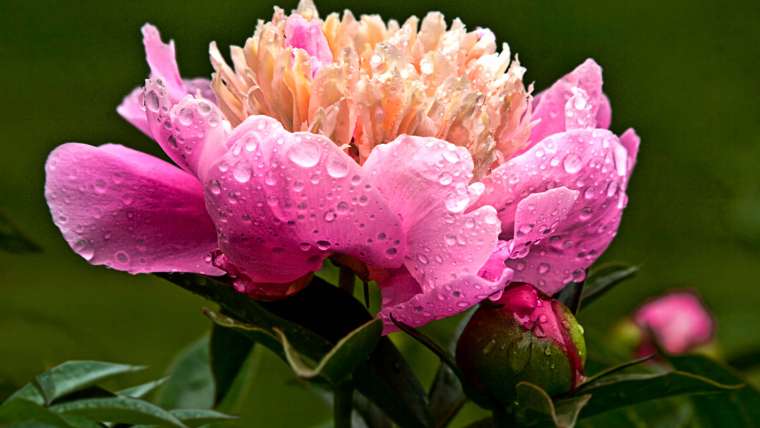
Orchids are some of the most exotic and delicate plants you can grow, known for their elegant flowers and intricate structures. They are also a bit of a challenge for gardeners, as they have specific needs for light, humidity, temperature, and soil conditions.
However, just like many other plants, orchids can thrive alongside certain companions that help support their growth. Companion planting is a gardening technique where you plant specific plants near each other to promote mutual benefits such as pest control, improved growth, and better soil conditions.
In this guide, we’ll explore the concept of companion planting for orchids, why it’s beneficial, the best companion plants for orchids, plants to avoid, and some practical tips for growing orchids alongside their companions.
Why You Should Consider Companion Planting for Orchids

Companion planting can have several advantages when applied to orchids. Orchids, being native to tropical and subtropical regions, tend to thrive in high-humidity environments with specific temperature and light conditions. By carefully choosing plants that can grow well in similar environments, gardeners can create a micro-ecosystem that promotes the health and longevity of their orchids.
Here are a few key reasons why companion planting is beneficial for orchids:
- Improved Humidity: Orchids need high humidity to flourish. Companion plants can help maintain humidity levels around the orchids by releasing moisture through transpiration, especially in a home environment where humidity may be harder to control.
- Pest Control: Certain companion plants can repel pests that commonly affect orchids, such as aphids and mealybugs. Natural pest control is always preferable over chemical pesticides, which can harm the delicate balance of your garden.
- Enhanced Aesthetic Appeal: When combined properly, companion plants can enhance the beauty of orchids by adding contrasting colors, shapes, and textures, creating a visually stunning display.
- Improved Soil Conditions: Companion plants can help improve soil aeration and nutrient content. Some plants fix nitrogen in the soil, which can benefit orchids by providing them with the nutrients they need to grow.
- Protection from Harsh Conditions: In some cases, companion plants can provide shade or shelter from extreme sun, helping to protect orchids from the harshness of the midday sun, which can damage delicate orchid leaves.
Overall, companion planting offers a holistic approach to growing orchids, fostering a more natural and sustainable environment.
Best Companion Plants for Orchids
When selecting companion plants for orchids, it’s essential to choose plants that share similar care requirements in terms of light, humidity, and temperature. Here are some of the best companion plants for orchids:
1. Ferns
Ferns, especially those like the Boston Fern (Nephrolepis exaltata) and Maidenhair Fern (Adiantum), make excellent companions for orchids. These plants thrive in humid environments, making them a great choice for orchids, which also require moisture in the air to grow properly. Ferns also have a soft, elegant appearance that complements the delicate beauty of orchids. Their fronds can provide some shade for orchids, protecting them from direct sunlight.
2. Bromeliads
Bromeliads are another excellent companion for orchids. They also prefer bright, indirect light and humidity, making them well-suited for orchid care. Bromeliads have unique, colorful flowers that can contrast beautifully with the more subtle hues of orchids. Moreover, their rosettes can collect moisture in their leaves, which helps maintain the humid conditions that orchids thrive in.
3. Philodendron
Philodendrons are easy-care plants that flourish in similar environments to orchids. They do well in indirect light and high humidity. As a climbing plant, philodendrons can add vertical interest to your orchid arrangement and act as natural companions by creating a lush, tropical atmosphere. Additionally, they help improve air quality by filtering out harmful toxins.
4. Moss
Moss, particularly sphagnum moss, is often used in orchid care for potting purposes, but it can also be a great companion plant when planted alongside orchids. It helps maintain high humidity levels around the orchid roots and can act as a natural moisture reservoir. Moss is also a beautiful addition to any orchid display, as it provides a soft, green carpet beneath the orchids that complements their colors.
5. Anthurium
Anthuriums, often referred to as “flamingo flowers,” are another fantastic companion for orchids. Like orchids, they thrive in warm, humid conditions and indirect light. Their waxy, heart-shaped leaves and striking red, pink, or white flowers make a stunning pairing with orchids. Anthuriums don’t compete with orchids for nutrients, so they coexist well in the same pot or garden area.
6. Calatheas
Calatheas, with their beautiful foliage and low light requirements, are great companions for orchids. They thrive in high humidity, making them suitable for orchid care. The contrasting patterns of their leaves, along with their ability to grow well in low-light conditions, make them an attractive addition to an orchid setup.
7. Creeping Jenny
Creeping Jenny is a low-growing perennial that works well with orchids in tropical garden settings. It enjoys the same moist, shaded conditions as orchids and can create a beautiful ground cover to help keep the area around orchids cooler. Its bright green, round leaves provide a pleasant contrast to the delicate flowers of orchids.
Plants to Avoid Planting Near Orchids
While there are many plants that can complement your orchids, there are also certain plants that should be avoided. Some plants may compete with orchids for resources such as light, water, or nutrients, while others may create an environment that is too dry or too harsh for orchids to thrive. Here are some plants you should consider keeping away from your orchids:
1. Cacti and Succulents
Although cacti and succulents are hardy plants, they do not thrive in the same humid conditions that orchids need. Orchids require high humidity levels to grow, whereas cacti and succulents prefer dry, arid environments. These plants would not only fail to thrive in the same space as orchids, but their growth could also hinder the orchids by absorbing moisture and creating competition for resources.
2. Lavender
While lavender is a beautiful and fragrant plant, it prefers dry, well-drained soil and does not tolerate high humidity. Orchids, on the other hand, need constant moisture in the air. Planting lavender near orchids may cause the orchid to dry out and result in poor growth and flower production.
3. Sunflowers
Sunflowers are large, heavy feeders that require a lot of sunlight and nutrients to grow properly. Their extensive root systems can compete with orchids for water and nutrients, and their tall stature may block the light that orchids need. Additionally, sunflowers thrive in full sun, which is not ideal for many types of orchids that prefer indirect light.
4. Mint
Mint is a fast-growing, invasive plant that can easily overpower orchids. While mint enjoys the same humidity and temperature conditions as orchids, it tends to spread aggressively, stealing nutrients and water from its neighbors. Its aggressive root system can also cause orchids to become stressed and hinder their growth.
5. Tomatoes and Peppers
Tomatoes and peppers are also heavy feeders, and they require a lot of direct sunlight and warmth, which may not be ideal for orchids. The temperature and light conditions required for these plants to flourish are different from those of orchids, which prefer cooler, indirect light environments. As a result, tomatoes and peppers should be kept away from orchids.
Tips for Growing Companion Plants with Orchids
If you decide to grow companion plants with your orchids, here are a few tips to ensure that both plants thrive:
1. Choose Plants with Similar Requirements
The most important thing when selecting companion plants for orchids is to make sure that the plants have similar care requirements, particularly in terms of light, humidity, and temperature. Companion plants that require similar growing conditions will support each other and help create an optimal environment for the orchids to thrive.
2. Watch for Overcrowding
While it’s tempting to plant multiple companion plants with your orchids, overcrowding can lead to competition for nutrients, water, and light. Be sure to give each plant enough space to grow and develop.
3. Maintain Proper Watering Practices
Make sure you don’t overwater the companion plants or the orchids. Although orchids like moisture, they don’t like sitting in soggy soil. Use a well-draining potting mix, and ensure proper drainage in your containers to avoid root rot.
4. Monitor Humidity Levels
Since orchids thrive in high humidity, make sure the companion plants are contributing to the humidity rather than drying out the environment. Keep an eye on humidity levels, especially in dry conditions, and consider using a humidity tray or humidifier if necessary.
5. Keep an Eye on Pests
Check regularly for pests, as some plants may attract harmful insects that could harm your orchids. Companion plants can help deter pests, but it’s still important to monitor the health of your plants closely.
Conclusion
Companion planting can be an effective and beautiful way to enhance the growth and health of your orchids. By choosing the right plants, you can create a thriving micro-ecosystem that promotes humidity, provides natural pest control, and even adds to the aesthetic appeal of your garden.
Always ensure that your companion plants share similar care requirements with your orchids, and remember to avoid plants that might compete for resources or create unsuitable growing conditions. With careful planning and attention, companion planting can take your orchid-growing experience to new heights, helping these beautiful plants flourish in your home or garden.
Sign up to get our FREE weekly emails
Gardening guides, tips, & videos delivered right to your inbox!