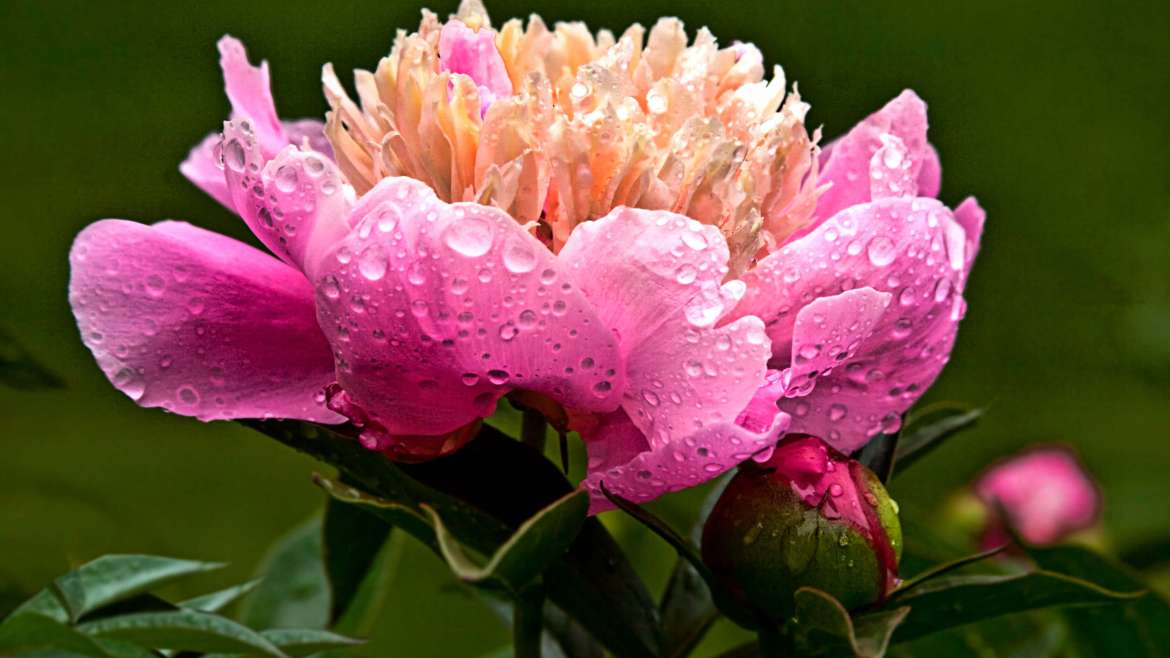
Peonies. They might sound a bit old-fashioned, but trust me, these flowers are worth their weight in garden gold. If you’ve never seen one in full bloom, imagine a flower that’s part cupcake, part cloud, and a little bit of pure joy. With petals so soft and colors so vibrant, they practically scream “I’m here to make your garden look amazing.”
They start out as little green buds in spring and then explode into their full, show-stopping selves by early summer. But don’t rush them—they take their sweet time. Peonies need a little patience, and that’s part of the charm. They’re the kind of flower that earns its moment.
Growing them? Piece of cake—if you give them the right spot. Peonies are all about that sunny, well-drained soil. They’re not into containers, so don’t even think about putting them in a pot unless you want to frustrate yourself. These plants like their space and, once they settle in, they’ll reward you with blooms year after year.
And when they’re happy? Oh, the fragrance. It’s not too overpowering, just enough to stop you in your tracks and take a deep breath. Bonus: the foliage is pretty good-looking too, even after the flowers have come and gone. Peonies don’t just look pretty—they’re reliable and tough once they’re established, making them one of the best-kept secrets of the garden.
How to Grow Peonies
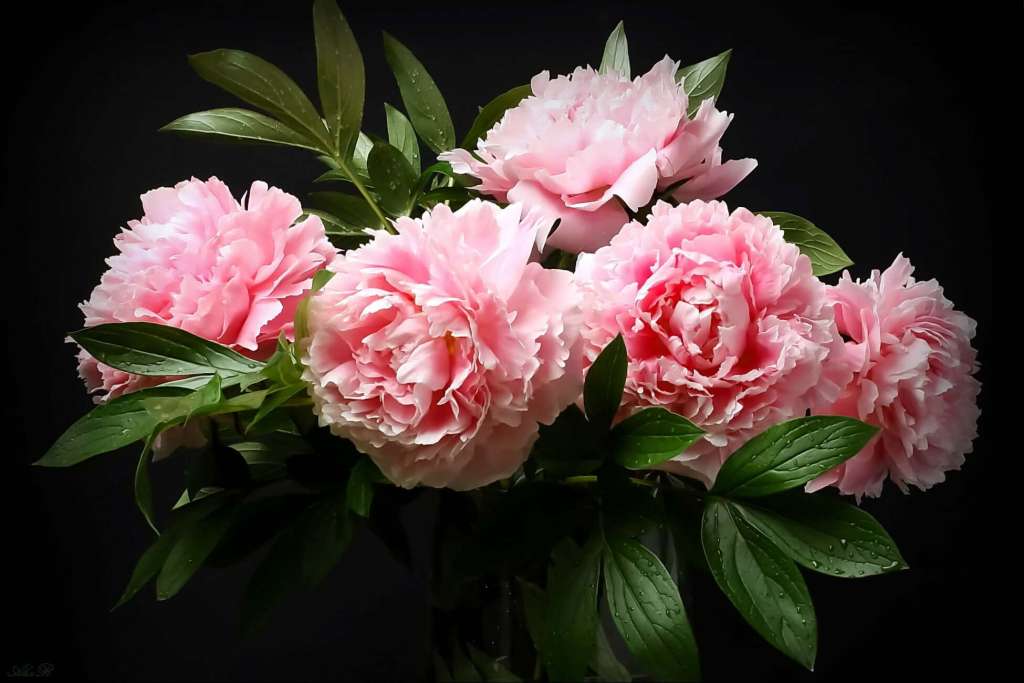
Growing peonies is a rewarding experience, as these beautiful, perennial flowers are known for their large, fragrant blooms and long-lasting foliage.
Peonies are relatively easy to care for once established, but they do have specific requirements for optimal growth
Choosing the Right Peonies
- Types: There are three main types of peonies: herbaceous (bush), tree peonies, and intersectional (Itoh) peonies. Herbaceous peonies die back in winter, tree peonies are woody shrubs, and intersectional peonies are hybrids that have characteristics of both.
- Varieties: Choose from single, semi-double, and double flowering varieties, depending on your preference for bloom shape and size.
Planting Peonies
- Location: Choose a sunny spot that receives at least 6 hours of direct sunlight each day. Peonies prefer well-draining soil and don’t like being moved once established, so select the location carefully.
- Timing: Plant peonies in the fall, ideally between late September and early November, to allow the roots to establish before winter.
- Soil Preparation: Amend the soil with compost or well-rotted manure if it is poor. Peonies prefer slightly acidic to neutral soil with a pH of 6.5 to 7.0.
- Planting Depth:
- For herbaceous and intersectional peonies, plant the tuberous roots with the eyes (buds) 1-2 inches below the soil surface.
- For tree peonies, plant so that the graft union (if present) is 4-6 inches below the soil surface.
- Spacing: Space plants about 3 to 4 feet apart to allow for good air circulation.
Growing Peonies
- Watering: Water newly planted peonies thoroughly and continue to water regularly, especially during dry spells, until the plants are established. Mature plants are drought-tolerant but will benefit from deep watering during extended dry periods.
- Mulching: Apply a layer of mulch around the base of the plant to retain moisture and suppress weeds, but avoid covering the crown, especially with herbaceous types.
- Fertilizing: In the spring, apply a balanced, slow-release fertilizer around the base of the plant. Avoid over-fertilizing, as this can lead to weak stems and fewer flowers.
Caring for Peonies
- Staking: Peony flowers can be large and heavy, often causing the stems to droop. Use peony rings or stakes to support the stems, especially for double-flowered varieties.
- Deadheading: After the flowers have faded, remove spent blooms to encourage healthy growth and prevent seed formation, which can drain the plant’s energy.
- Pruning:
- Herbaceous peonies: Cut back the foliage to the ground in late fall after the first frost to prevent diseases from overwintering.
- Tree peonies: Prune in late winter or early spring, removing any dead or damaged wood, and shaping the plant as needed.
- Winter Care:
- Herbaceous and intersectional peonies benefit from a layer of mulch after the ground freezes, which can be removed in the spring.
- Tree peonies are hardy, but in colder climates, consider wrapping the plants in burlap or using a windbreak to protect them from harsh winter winds.
Pests and Diseases
- Pests: Peonies are generally pest-resistant, but occasionally, they can be affected by aphids or ants. Ants are usually attracted to the nectar and are not harmful to the plant.
- Diseases: Peonies can suffer from botrytis blight, powdery mildew, and root rot. Ensure good air circulation, avoid overhead watering, and remove any affected plant material promptly.
Dividing and Transplanting
- When to Divide: Peonies rarely need dividing, but if you want to propagate them, do so in the fall, ideally every 10-15 years.
- How to Divide: Carefully dig up the plant, divide the tuberous roots, ensuring each division has at least 3-5 eyes, and replant immediately.
Long-Term Care
- Longevity: Peonies can live and bloom for decades, often outliving the gardener who planted them! With proper care, they will continue to thrive and provide beautiful blooms year after year.
Peonies Growing Zone
Peonies are generally hardy in USDA growing zones 3 through 8. They thrive best in cooler climates with cold winters, which help the plants go through their necessary dormancy period.
- Zones 3-5: Peonies tend to grow exceptionally well, as they get the cold temperatures needed for dormancy.
- Zones 6-7: They can still grow well but may require some extra care, such as planting them slightly deeper to protect the roots from warmer temperatures.
- Zone 8: Peonies can be grown, but they might struggle due to the lack of sufficient cold. Choosing early-blooming varieties and planting them in a cooler, shadier spot may help.
If you are in a warmer zone (9 or higher), peonies might not perform well unless you choose specific varieties that are more tolerant of heat.
Growing Peonies FAQ
Peonies are best planted in the fall, typically between late September and early November, depending on your climate. This allows the plants to establish their roots before winter.
Plant peony roots with the eyes (buds) facing upward, about 1-2 inches below the soil surface. Planting them too deep can result in poor blooming.
Water peonies regularly, especially during their first year after planting. Established plants are drought-tolerant, but they still prefer consistent moisture. Water deeply and allow the soil to dry out between waterings.
Peonies typically bloom in late spring to early summer, depending on the variety and your local climate. They bloom for about 7-10 days, but you can extend the bloom period by planting different varieties.
Some peony varieties, especially those with large, heavy blooms, may need staking to prevent them from falling over. You can use peony rings or simple stakes to support them.
Peonies are long-lived perennials that can thrive for many decades, often outlasting the gardener who planted them! With proper care, they can live for 50 years or more.
Yes, peonies can be grown in containers, but choose a large pot with good drainage. Use a well-draining potting mix, and be prepared to transplant them into the ground eventually, as they will outgrow the container over time.
Sign up to get our FREE weekly emails
Gardening guides, tips, & videos delivered right to your inbox!