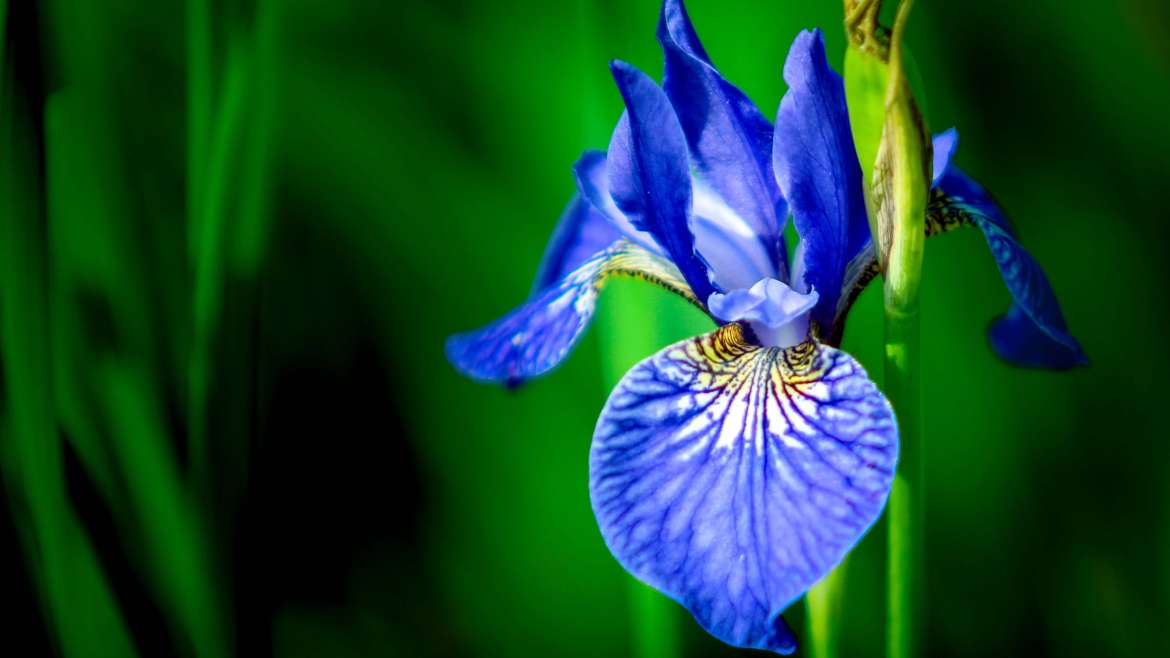
Iris. A name that might sound a bit delicate, but this flower is anything but. If you’ve never come across one, picture a bloom that’s part regal, part wild. The kind of flower that looks like it belongs in an ancient garden but doesn’t mind getting its hands dirty in the wind and rain. Iris flowers are bold, with petals that unfold like a work of art, and they come in all sorts of colors—purple, white, yellow, blue—like they’ve been dipped in every shade of the rainbow.
They’re resilient, thriving in spring when the weather’s unpredictable, and they’re relatively low-maintenance, which is a huge bonus for anyone who’s not into pampering their plants. Plant them once, and you might find that they come back year after year, spreading like they’re on a mission to conquer the garden.
But don’t be fooled by their toughness. Iris like a good spot in the sun, and they’re not fans of being overcrowded. Give them some space, let them stretch out, and you’ll see why they’ve been the star of gardens for centuries.
And the best part? Those stunning blooms have an almost mystical vibe about them. It’s like they’re carrying ancient wisdom in those petals, or maybe they’re just showing off a little. Either way, they’re the kind of flower you don’t just plant—you admire them.
How to Grow Irises

Growing iris plants is a rewarding experience, as these flowers are known for their beautiful and diverse colors. Below is a comprehensive guide to growing irises.
Choosing the Right Iris
- Bearded Iris: These are the most common type, known for their showy blooms and easy care.
- Siberian Iris: These are more delicate and thrive in cooler climates.
- Japanese Iris: These prefer moist soil and are perfect for water gardens.
Planting Iris
- Location: Choose a spot with full sun (at least 6 hours of direct sunlight) for best blooms.
- Soil: Iris prefer well-drained soil. Sandy or loamy soil is ideal, but they can tolerate clay soil if it’s well-drained.
- Planting Time: The best time to plant iris rhizomes is late summer to early fall, about 6-8 weeks before the first hard frost.
- Planting Depth: Plant the rhizomes just below the soil surface, with the tops slightly exposed. Space them about 12-18 inches apart.
Growing Iris
- Watering: Water newly planted rhizomes lightly to settle the soil. After establishment, they are drought-tolerant but will benefit from regular watering during dry periods.
- Fertilizing: Apply a low-nitrogen fertilizer in early spring and after flowering. Too much nitrogen can cause excessive foliage growth at the expense of blooms.
- Mulching: Mulch lightly to conserve moisture, but avoid covering the rhizomes as they need good air circulation to prevent rot.
Caring for Iris
- Pruning: Remove spent blooms and cut back the foliage to about 6 inches after the first hard frost. This helps prevent disease and encourages new growth in the spring.
- Dividing: Divide iris every 3-5 years, or when they become crowded and bloom production decreases. This is best done in late summer after flowering.
- Pest and Disease Control: Watch for common pests like iris borers and treat with insecticidal soap if needed. To prevent fungal diseases, ensure good air circulation around the plants.
Overwintering
- In colder climates, apply a layer of mulch after the ground freezes to protect the rhizomes from extreme temperatures. Remove the mulch in early spring.
Companion Planting
- Irises pair well with other sun-loving perennials like daylilies, peonies, and lavender. These plants can complement the iris’s blooming period and create a beautiful garden display.
Iris Growing Zone
Iris plants are generally hardy and can grow in a wide range of USDA plant hardiness zones, typically between Zones 3 and 9.
The specific variety of iris and the local climate conditions can influence the ideal growing zone:
- Bearded Iris: Thrives in Zones 3 to 9.
- Siberian Iris: Does well in Zones 3 to 8.
- Japanese Iris: Prefers Zones 4 to 9 but requires consistent moisture.
- Louisiana Iris: Best suited for Zones 6 to 9.
Growing Iris FAQ
There are many types of Irises, including Bearded Iris, Siberian Iris, Japanese Iris, and Dutch Iris. Bearded Irises are popular for their large blooms, while Siberian and Japanese Irises are known for their hardiness and elegant flowers.
The ideal time to plant Iris rhizomes (such as Bearded and Siberian Irises) is in late summer to early fall, usually from July to September. Dutch Iris bulbs should be planted in the fall before the ground freezes.
Iris rhizomes should be planted just below the soil surface, with the top exposed or just barely covered. Dutch Iris bulbs should be planted about 4-6 inches deep.
Divide Irises every 3-5 years, typically in late summer after they have finished blooming. To divide, dig up the clump, separate the rhizomes, trim the leaves to about 4-6 inches, and replant the healthy rhizomes.
There could be several reasons, including too much shade, overcrowding, poor soil, or planting the rhizomes too deeply. Ensure they receive enough sunlight and consider dividing them if they are overcrowded.
Yes, Irises can be grown in containers, especially dwarf varieties. Use a well-draining potting mix and a container with good drainage. Be sure to provide them with plenty of sunlight and avoid overwatering.
Regularly dividing the clumps, ensuring they receive enough sunlight, and fertilizing with a balanced fertilizer in early spring can promote more blooms.
Common pests include iris borers and aphids. Regular inspection and proper garden hygiene help prevent infestations. To prevent diseases like root rot, ensure good drainage and avoid overwatering. Applying mulch can help regulate soil moisture but keep it away from the rhizomes.
The secret to growing irises is planting them in well-drained soil with plenty of sunlight, avoiding deep planting, and ensuring proper spacing for air circulation to prevent rot and promote healthy blooms.
Sign up to get our FREE weekly emails
Gardening guides, tips, & videos delivered right to your inbox!