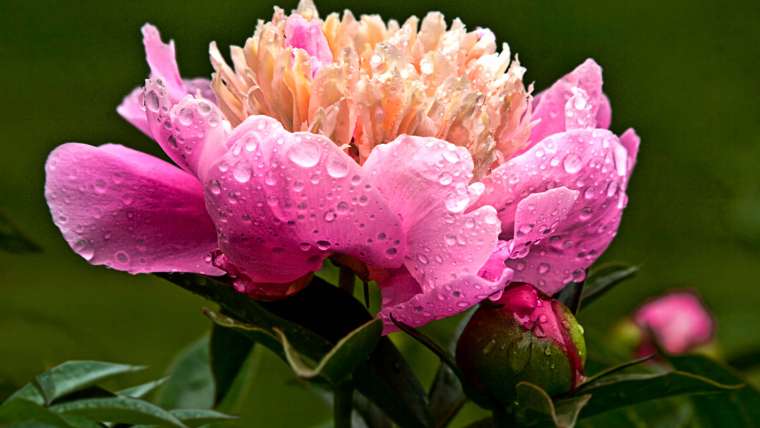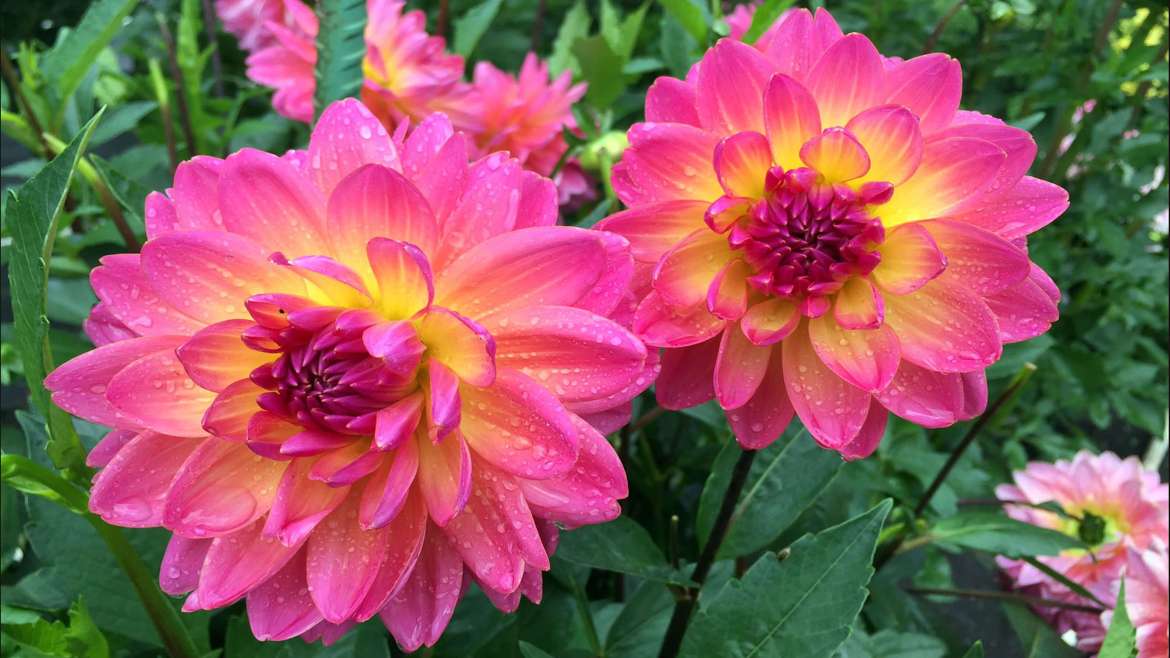
Dahlias. They might sound like a name pulled from a vintage movie, but trust me, they’re way more than just a pretty face. If you’ve never seen one in full bloom, think of it as a flower that can’t decide whether it’s a sunflower, a peony, or a firework. Bold, colorful, and with petals that seem to go on forever, dahlias bring a whole lot of personality to any garden.
They start popping up in summer, and the best part? They’ll keep showing off their vibrant blooms all the way into fall—perfect for extending that garden magic when everything else is winding down. Plus, they’re not too picky about their growing conditions. They love full sun but won’t throw a tantrum if they don’t get it all day long. Just make sure they’re in well-drained soil, and they’ll reward you with flowers that range from delicate pastels to eye-popping reds, purples, and yellows.
One thing to note: they’re not shy. They grow tall, often towering above your other plants, so don’t be surprised when they start to steal the show. And while they do love a good drink, don’t drown them—keep that soil moist but not soggy.
In short, dahlias are the divas of the garden. They demand a bit of attention, but once they settle in, you’ll have a flower that’s as low-maintenance as they come, blooming with a dramatic flair that’ll turn your garden into a showstopper.
How to Grow Dahlias

Growing dahlias is a fun and relatively straightforward process that can yield vibrant and beautiful blooms throughout the summer and into the fall.
Below is a comprehensive guide to get you started.
Planting Dahlias
- Choose the Right Location: Dahlias thrive in full sun, so select a spot in your garden that receives at least 6-8 hours of direct sunlight daily.
- Soil Preparation: Dahlias prefer well-drained soil with a slightly acidic to neutral pH (6.0-7.5). Work compost or well-rotted manure into the soil to improve fertility and drainage.
- Planting Tubers:
- Timing: Plant dahlia tubers in the spring, after the danger of frost has passed and the soil has warmed to at least 60°F (15°C).
- Depth and Spacing: Dig a hole about 6-8 inches deep. Place the tuber with the “eyes” facing up and cover it with 2-3 inches of soil. Space the tubers 18-24 inches apart, depending on the variety.
- Watering: Water the tubers lightly after planting. Avoid overwatering until sprouts appear.
Growing Dahlias
- Watering: Once dahlias start growing, water them deeply 2-3 times a week, depending on the weather. Keep the soil consistently moist but not waterlogged.
- Fertilizing: Feed dahlias with a low-nitrogen fertilizer (such as 5-10-10 or 10-20-20) every 3-4 weeks. Too much nitrogen can lead to lush foliage but fewer flowers.
- Staking: Tall dahlia varieties may require staking to prevent them from toppling over. Insert stakes at the time of planting to avoid damaging the tubers later.
- Pruning: Pinch off the top of the plant when it reaches about 12-18 inches tall to encourage bushier growth. Remove spent flowers regularly to promote continuous blooming.
Caring for Dahlias
- Pests and Diseases:
- Aphids: Use insecticidal soap or neem oil to control aphids.
- Slugs and Snails: Hand-pick or use slug traps to manage these pests.
- Powdery Mildew: Ensure good air circulation around the plants to prevent this fungal disease. Fungicide sprays may be necessary if the infection is severe.
- Winter Care:
- In Mild Climates: In zones 8-11, dahlias can be left in the ground. Apply a thick layer of mulch for winter protection.
- In Cold Climates: In zones 3-7, dig up the tubers after the first frost kills the foliage. Let them dry for a few days, then store them in a cool, dry place in a box filled with peat moss, sawdust, or sand.
Tips for Successful Dahlia Growing
- Deadheading: Regularly remove spent blooms to encourage more flowering.
- Companion Planting: Dahlias pair well with other sun-loving plants like marigolds, zinnias, and cosmos.
- Cutting Flowers: Cut dahlias in the morning when they are fully open. Immediately place the cut stems in water to keep them fresh.
Dahlias Growing Zone
Dahlias thrive best in USDA hardiness zones 8 through 11. In these zones, they can be grown as perennials, meaning they will come back year after year.
However, in cooler zones, such as 3 through 7, dahlias are often grown as annuals, or gardeners will dig up the tubers and store them indoors over the winter to replant in the spring.
Growing Dahlias FAQ
Plant the tubers in the spring after the last frost, spacing them about 12-18 inches apart and placing them 4-6 inches deep in the soil with the eye or sprout facing up. Water the tubers thoroughly after planting but avoid overwatering.
Choose a large pot with good drainage and fill it with a high-quality potting mix. Water regularly and fertilize as you would for garden-grown Dahlias.
Dahlias typically take around 90 to 120 days to grow from planting to flowering, depending on the variety and growing conditions. If you start with tubers, they usually begin to flower about 8 to 10 weeks after planting. If you start with seeds, it may take a bit longer for the plants to mature and bloom.
Dahlias should be planted in the spring after the last frost has passed. The soil should be well-drained and warmed up, usually when the daytime temperature consistently reaches around 60°F (15°C).
Water the plants deeply once or twice a week, especially during dry periods. Avoid overwatering, as it can lead to tuber rot. It’s best to water in the morning to allow the foliage to dry out during the day.
Taller varieties of Dahlias may need support as they grow. Use stakes or cages to support the stems and prevent them from falling over, especially during windy conditions.
In colder climates, dig up the tubers after the first frost has blackened the foliage. Let them dry for a few days, then store them in a cool, dry place in peat moss or sawdust until spring. In milder climates, you can leave them in the ground with a thick layer of mulch.
Common pests include aphids, slugs, and spider mites. Diseases like powdery mildew, root rot, and mosaic virus can also affect dahlias. Regular inspection and proper care can help prevent these issues.
Sign up to get our FREE weekly emails
Gardening guides, tips, & videos delivered right to your inbox!