

Tulips. Quite simple name right, but damn, what a flower. If you’ve never seen one in full bloom, picture the elegance of a ballerina in a garden—tall, graceful, and vibrant with colors that’ll make your heart skip a beat. Tulips bring the kind of beauty that makes you feel like spring is finally here, no matter what the calendar says.
They pop up early in the season, brightening up gardens before most other flowers even think about it. Plant them in fall, and by spring, you’ll have a parade of petals in reds, yellows, pinks, and purples—each bloom a little burst of joy. And the best part? They’re ridiculously easy to grow. Tulips love the sun, but they’re also tough enough to handle a bit of chill, making them perfect for temperate climates.
Just a little heads-up: tulips don’t like to be overcrowded, so give them room to stretch out. Oh, and once they’ve bloomed and gone to seed, their job’s done for the season, so don’t expect them to hang around all year long. But when they’re here? Pure magic. A true showstopper in any garden, and they make the perfect gift for anyone who needs a little sunshine in their life.
How to Grow Tulips
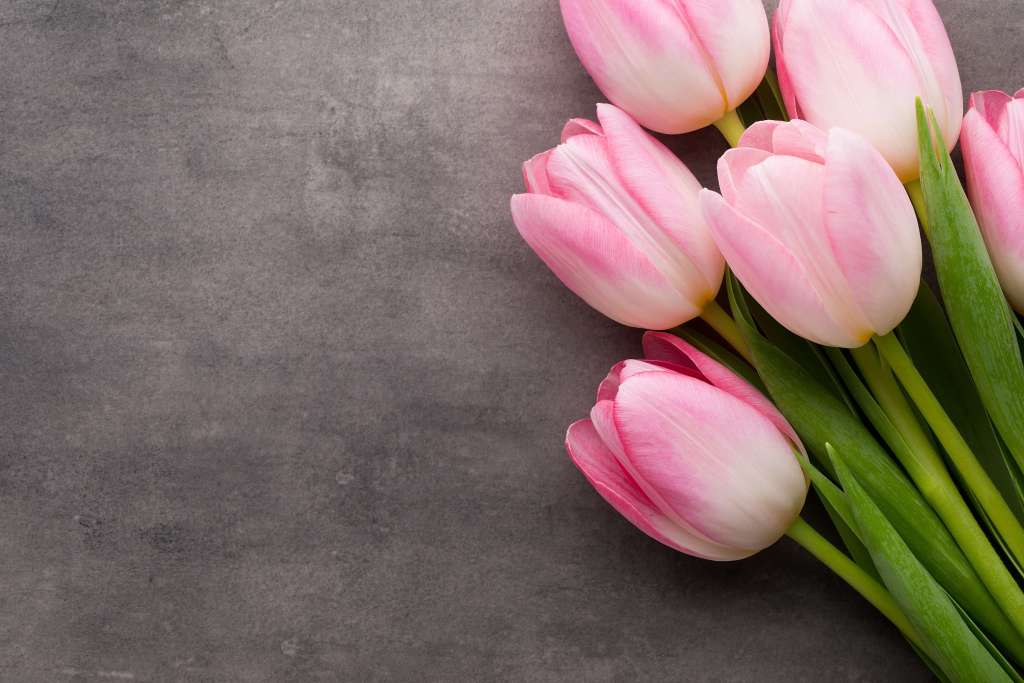
Growing tulips is a fun experience that adds vibrant colors to gardens in the spring. Tulips are hardy perennials that thrive in well-drained soil and full sunlight.
They are typically planted in the fall before the ground freezes, allowing the bulbs to establish roots during the winter.
Planting Tulips
Timing:
- Fall Planting: Tulips are best planted in the fall, about 6 to 8 weeks before the ground freezes. This gives them time to establish roots before winter.
Location:
- Sunlight: Choose a spot with full sun to partial shade. Tulips generally prefer a sunny location but can tolerate some shade.
- Soil: Tulips prefer well-drained soil. Avoid areas where water tends to pool.
Planting Steps:
- Prepare the Soil: Loosen the soil and mix in compost or well-rotted manure to improve drainage and fertility.
- Planting Depth: Plant tulip bulbs about 6 to 8 inches deep. The general rule is to plant them three times as deep as the bulb is tall.
- Spacing: Space the bulbs about 4 to 6 inches apart to allow room for growth.
- Planting Position: Place the bulbs with the pointed end facing up.
Growing Tulips
Watering:
- Initial Watering: Water the bulbs well after planting to help them settle in and start rooting.
- During Growth: Keep the soil consistently moist but not waterlogged. Once tulips are established, they are relatively drought-tolerant.
Fertilizing:
- Spring Fertilization: Apply a balanced fertilizer or one specifically for flowering bulbs in early spring as new growth begins.
Mulching:
- Winter Protection: Apply a layer of mulch (such as straw or leaves) after planting to protect the bulbs over winter. Remove it in the spring as the tulips start to emerge.
Caring for Tulips
After Blooming:
- Deadheading: Remove spent flowers to prevent the plant from going to seed and to direct energy into the bulb.
- Leaves: Allow the leaves to die back naturally after blooming. The foliage helps nourish the bulb for the next year. Do not cut the leaves until they are fully yellowed.
Pest and Disease Control:
- Pests: Watch for pests like aphids or slugs. You can treat these with insecticidal soap or slug bait if necessary.
- Diseases: Ensure good drainage to prevent fungal diseases. Avoid watering the bulbs from above to reduce the risk of disease.
Post-Bloom Care:
- Bulb Storage: If you want to dig up the bulbs after the foliage has died back, do so carefully. Store them in a cool, dry place until it’s time to replant them in the fall.
Dividing Bulbs:
- Every Few Years: Tulips generally need to be divided every few years. This helps maintain their vigor and can promote larger blooms.
Tulips Growing Zone
Tulips generally thrive in USDA Hardiness Zones 3 through 8. These zones provide the ideal conditions for tulips, which require a period of cold dormancy to bloom properly. Here’s a brief overview:
- Zones 3-4: Tulips can be grown successfully, but extra care might be needed, such as mulching to protect bulbs from extreme cold.
- Zones 5-7: These are the most ideal zones for growing tulips, providing the perfect balance of cold winter temperatures and warm springs.
- Zone 8: Tulips can still be grown, but they may need to be pre-chilled in the refrigerator for 10-14 weeks before planting to ensure proper bloom.
Growing Tulips FAQ
Tulip bulbs should be planted in the fall, usually from late September to early November, before the ground freezes. This allows the bulbs to establish roots before winter.
Plant tulip bulbs about 6 to 8 inches deep, measuring from the base of the bulb. The depth ensures they are insulated against the cold and protected from potential pests.
Yes, tulips can be forced to bloom indoors by chilling the bulbs for 12-16 weeks at temperatures between 35-45°F (1-7°C). After chilling, plant them in pots and place them in a bright, cool location.
Yes, tulips can be grown in containers. Use a large pot with drainage holes, and plant the bulbs close together, about 2-3 inches apart. Make sure the container is placed in a sunny location and water regularly.
After tulips bloom, allow the foliage to remain until it turns yellow and withers. This process allows the bulbs to store energy for the next season. Once the foliage dies back, you can cut it off and leave the bulbs in the ground or dig them up for storage in a cool, dry place until fall.
Sign up to get our FREE weekly emails
Gardening guides, tips, & videos delivered right to your inbox!


