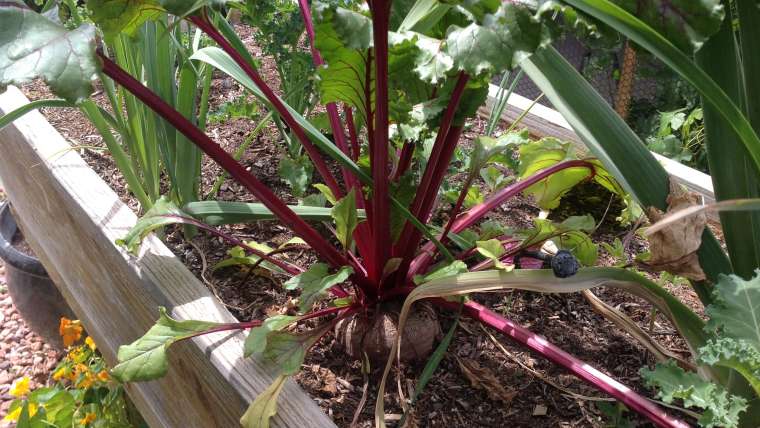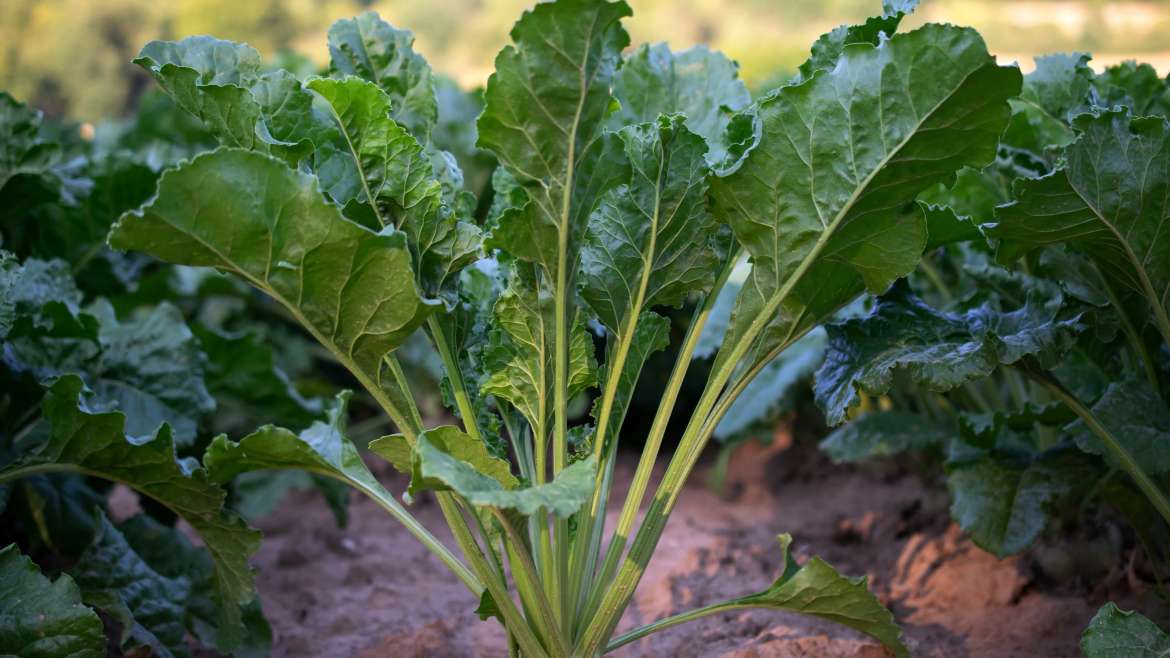
Beet Greens. Sounds humble, but don’t let that fool you. These leafy powerhouses pack a punch of flavor and nutrition that’ll make you rethink your salad game. Picture spinach, but with more bite—earthy, slightly sweet, and just the right amount of tang. Beet greens are like the underdog of the vegetable world, but once you try them, they’re hard to ignore.
These leaves come attached to the beetroot, so you get the best of both worlds. You can throw them in salads, sauté them, or even toss them into smoothies for an extra dose of vitamins. They’re loaded with iron, potassium, and antioxidants, making them a solid choice for anyone trying to eat healthy.
But don’t go too wild right out of the gate. Beet greens love cool weather, so they’ll thrive in spring or fall. You can grow them in pots or garden beds, just give them good soil and regular watering. And like any good green, they’ll need a little patience to truly flourish.
As for the plant? Stunning. Big, bold leaves that look like they belong in a garden fit for royalty. So, yeah—beet greens may not have a fancy name, but they’re definitely a vegetable worth adding to your plate.
How to Grow Beet Greens
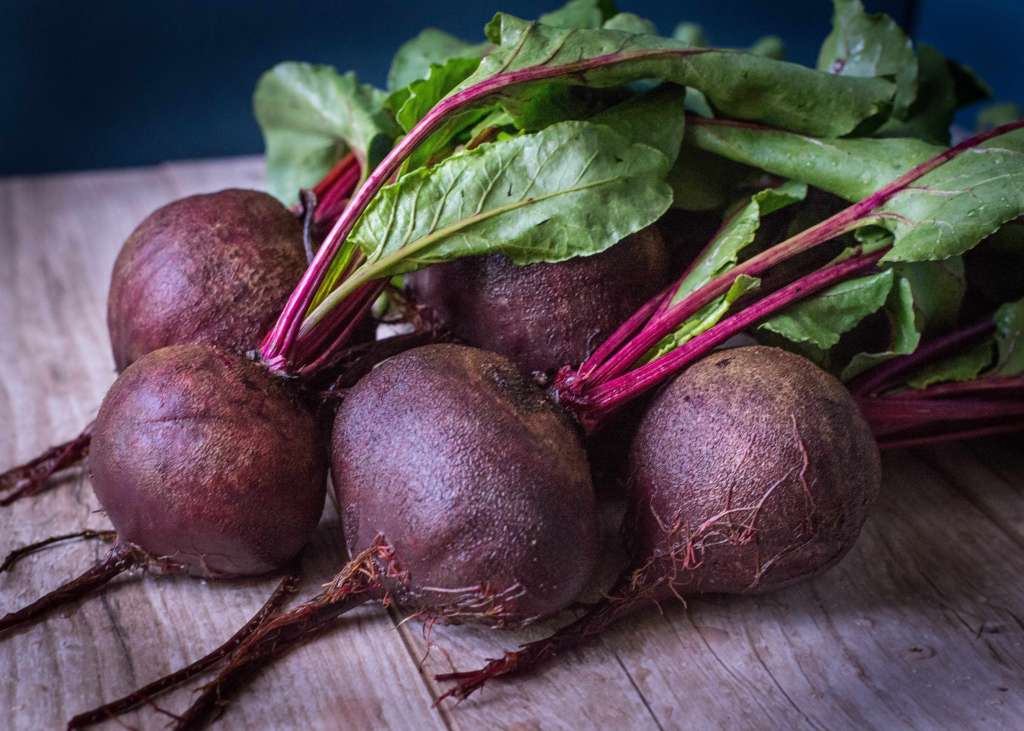
Growing beet greens is highly beneficial and rewarding, and they are not only edible but also highly nutritious. Below is a guide on how to plant, grow, and harvest beet greens.
Planting Beet Greens
- Choose a Suitable Location:
- Beet greens prefer full sun but can tolerate partial shade. Choose a spot with well-drained, loamy soil.
- They can be grown in garden beds or containers.
- Soil Preparation:
- Amend the soil with compost to ensure it’s rich in organic matter.
- The soil pH should ideally be between 6.0 and 7.5.
- Sowing Seeds:
- Sow beet seeds directly into the ground, about ½ inch (1.25 cm) deep and 1 to 2 inches (2.5 to 5 cm) apart.
- Space rows about 12 to 18 inches (30 to 45 cm) apart.
- You can start sowing in early spring, as soon as the soil can be worked, and continue planting every 2 to 3 weeks for a continuous harvest.
- Watering:
- Water consistently to keep the soil moist but not waterlogged.
- Beets need about 1 inch (2.5 cm) of water per week.
Cultivating Beet Greens
- Thinning:
- Once the seedlings are a few inches tall, thin them to about 3 to 4 inches (7.5 to 10 cm) apart.
- The thinned seedlings can be used as baby greens.
- Fertilizing:
- If the soil is not very fertile, you can apply a balanced, all-purpose fertilizer once during the growing season.
- Avoid over-fertilizing with nitrogen, as it can lead to lush foliage at the expense of root development.
- Weeding and Mulching:
- Keep the area around the plants free from weeds.
- Mulch around the plants to retain moisture and suppress weeds.
Harvesting Beet Greens
- Timing:
- You can begin harvesting beet greens when they are about 4 to 6 inches (10 to 15 cm) tall.
- Younger leaves are tender and can be used fresh in salads, while older leaves are better for cooking.
- Harvesting Method:
- Cut the outer leaves with scissors or a sharp knife, leaving the inner leaves to continue growing.
- You can also harvest the entire plant if you want to use the beetroot as well.
- Storing:
- Beet greens are best used fresh but can be stored in the refrigerator for a few days. Wrap them in a damp paper towel and place them in a plastic bag.
- Succession Planting:
- To ensure a continuous supply of beet greens, practice succession planting by sowing seeds every 2 to 3 weeks.
Beet Greens Growing Zone
Beet greens, which are the leafy tops of beet plants, grow well in USDA Hardiness Zones 2 through 10.
They are a cool-season crop, meaning they thrive in cooler temperatures, typically between 50°F and 75°F (10°C to 24°C).
Beet greens can be grown in both spring and fall, and in milder climates, they can sometimes be grown through the winter.
Additional Tips
- Pests and Diseases: Watch for common pests like aphids and flea beetles. Row covers can help protect young plants.
- Companion Planting: Beet greens grow well with bush beans, lettuce, onions, and radishes.
Beet Greens Growing FAQ
Beet greens are the leafy tops of the beetroot plant. They are edible and highly nutritious, often used in salads, sautéed, or as a cooked green similar to spinach or kale.
Yes, you can grow beet greens without focusing on the root. By harvesting the leaves periodically and allowing the plant to regrow, you can enjoy continuous greens throughout the growing season.
Plant beet greens in early spring or late summer for a fall harvest. Beets prefer cooler weather, so planting them in these seasons will result in the best growth.
Sow beet seeds directly in the garden or in containers about ½ inch deep and 1 inch apart. Thin the seedlings to about 3-4 inches apart once they are a few inches tall. The thinned seedlings can also be used as baby greens.
Beet greens can be harvested as early as 4-6 weeks after planting. For baby greens, you can start harvesting when the leaves are about 3 inches tall. For mature greens, wait until they are around 6 inches tall.
Yes, you can harvest beet greens without harming the plant. Cut the outer leaves, leaving the inner ones to continue growing. This way, you can enjoy multiple harvests throughout the season.
Yes, beet greens can be eaten raw in salads or smoothies. They have a slightly bitter taste, similar to chard or spinach. Cooking them can reduce the bitterness if preferred.
Yes, beet greens can be grown indoors in containers with good drainage and sufficient light. A sunny windowsill or grow lights can provide the necessary light for indoor growth.
To avoid bitterness, harvest beet greens while they are young and tender. Also, ensure that the plants are not stressed by drought or extreme temperatures, as these can cause the greens to become bitter.
Sign up to get our FREE weekly emails
Gardening guides, tips, & videos delivered right to your inbox!