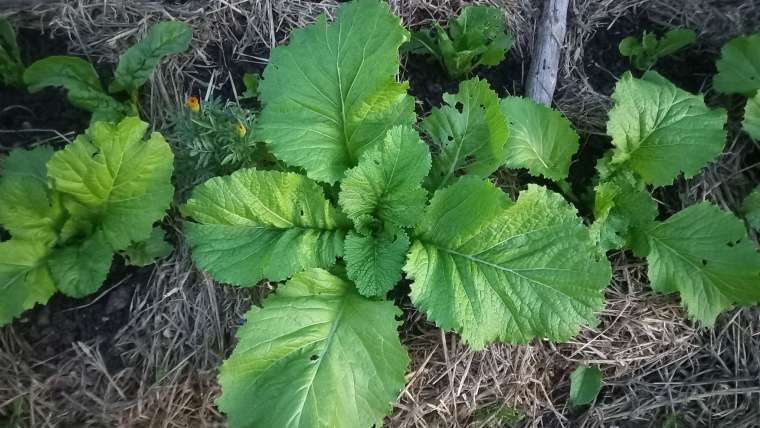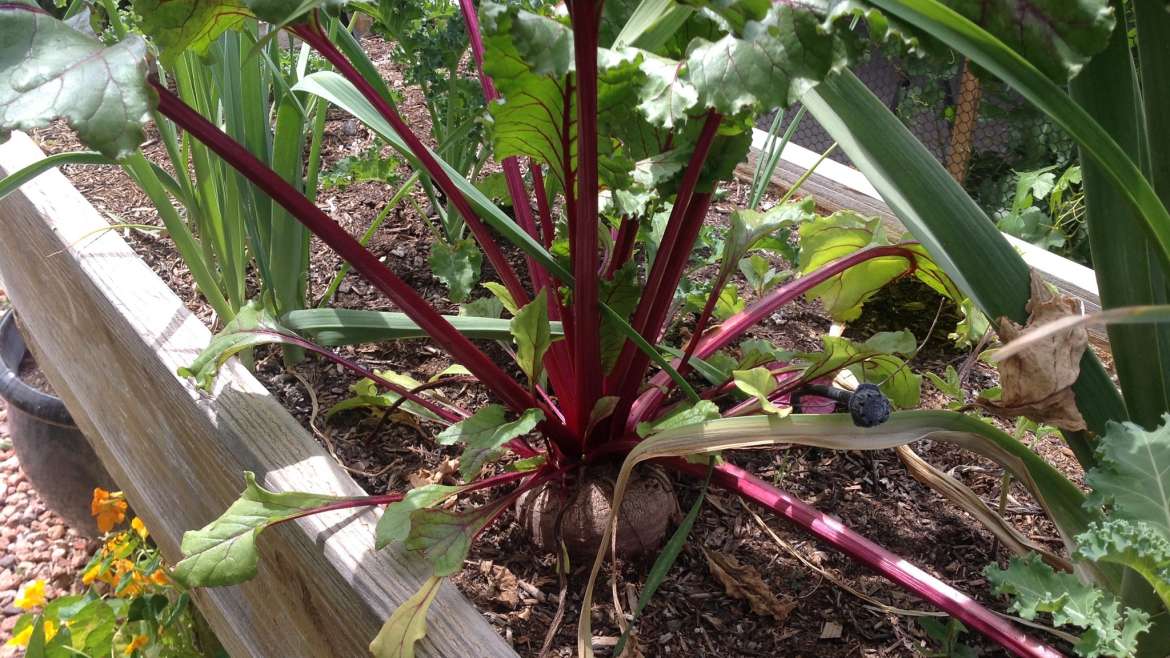
When it comes to gardening, companion planting is one of the most effective methods to boost plant health, improve growth, and ward off pests. If you’re a fan of beet greens and enjoy growing them in your garden, companion planting can provide numerous benefits. But what exactly is companion planting, and how can it enhance your beet greens‘ health?
In this post, we’ll explore why companion planting is crucial for growing beet greens, the best companion plants for them, what to avoid, and tips for successfully pairing them with other crops. By the end of this post, you’ll have all the information you need to create a thriving garden filled with healthy, productive beet greens.
Why You Should Consider Companion Planting for Beet Greens
Beet greens are a nutritious and delicious leafy vegetable that can be enjoyed in a variety of dishes. Not only are they packed with vitamins and minerals, but they’re also relatively easy to grow. However, like any plant, they can benefit from a little help from their gardening neighbors.
Companion planting involves growing certain plants together because they offer mutual benefits. Some plants work well together because they help each other grow, attract beneficial insects, or deter pests. Companion planting can improve soil health, enhance flavors, and even protect against diseases. For beet greens, choosing the right companions can maximize their potential by ensuring they grow vigorously and stay pest-free.
Moreover, beet greens are a cool-season crop that thrives in well-drained soil with full sun. They are susceptible to pests like aphids, leaf miners, and other pests that enjoy feasting on their tender leaves. By carefully selecting the right companions, you can provide natural pest control while enhancing the overall growth of your garden.
Now, let’s dive into some of the best companion plants for beet greens, which will help them thrive in your garden.
Best Companion Plants for Beet Greens

- Garlic. Garlic is an excellent companion plant for beet greens. It acts as a natural pest deterrent, particularly against aphids and other pests that can damage beet greens. The strong scent of garlic confuses and repels pests, helping protect your beets. Additionally, garlic improves soil health by releasing sulfur compounds that can enhance the growth of nearby plants.
- Onions. Much like garlic, onions offer similar pest-repellent benefits. The strong aroma of onions works to confuse pests and keep them away from your beet greens. Onions can also help deter pests like aphids, caterpillars, and leaf miners, which are known to attack beets. Additionally, onions do not compete aggressively with beets for nutrients, making them ideal companions.
- Lettuce. Lettuce is another excellent companion for beet greens. Lettuce has shallow roots, so it doesn’t compete with beets for nutrients. It grows quickly and can provide some much-needed shade to the beet greens, which helps them thrive during the warmer months. Moreover, lettuce helps to maintain soil moisture by providing ground cover, which is essential for keeping the soil around your beet greens hydrated.
- Radishes. Radishes and beet greens are a fantastic pairing because both crops grow well in the same soil conditions and don’t compete for nutrients. Radishes are fast-growing and help to break up the soil around beets, improving root growth and enhancing aeration. Furthermore, radishes can help deter root maggots and other soil-dwelling pests, making them a great ally for beet greens.
- Chard. Swiss chard is another leafy green that makes an excellent companion for beet greens. Chard and beets are both from the same family (the Chenopodiaceae family), so they have similar growing requirements. They do not compete with each other for resources and can help shade each other during hot weather, preventing bolting. Moreover, the dense foliage of chard helps maintain moisture in the soil, benefiting both plants.
- Cabbage. Cabbage and beet greens can coexist harmoniously in the garden. Cabbage, with its large leaves and robust structure, can provide shade for beet greens, especially in the hotter months, reducing the risk of the beets bolting. Cabbage also produces a natural pest-repelling chemical that can help protect beet greens from harmful insects like aphids and flea beetles.
- Marigolds. Marigolds are known for their ability to repel a wide range of pests, including aphids, nematodes, and beetles. When planted near beet greens, marigolds help protect them from pest damage, reducing the need for chemical pesticides. Marigolds also attract beneficial insects, such as ladybugs and hoverflies, which prey on harmful pests.
Plants to Avoid Planting Near Beet Greens
While some plants make great companions for beet greens, others can be harmful and should be avoided. Certain plants can compete for nutrients, create unfavorable growing conditions, or attract pests that can damage your beets. Here are some plants to avoid planting near beet greens:
- Pole Beans. Pole beans are not ideal companions for beet greens. They can overshadow beets, depriving them of sunlight and making it harder for them to grow. Additionally, pole beans have deep roots that can compete with the shallow roots of beets for nutrients and water.
- Potatoes. Potatoes are another crop to avoid planting near beet greens. Potatoes and beets both require similar growing conditions, which can lead to competition for nutrients. Potatoes also attract pests like aphids and Colorado potato beetles, which can damage your beet greens. Additionally, planting potatoes near beets increases the risk of soil-borne diseases.
- Sunflowers. Sunflowers, while beautiful, are not great companions for beet greens. Sunflowers have deep, extensive root systems that can outcompete beets for water and nutrients. Moreover, sunflowers can cast heavy shade on beet greens, reducing their access to sunlight and hindering their growth.
- Fennel. Fennel can be harmful to beet greens because it exudes compounds that may inhibit the growth of nearby plants. Fennel can also attract aphids, which can be detrimental to beet greens. It’s best to keep fennel away from your beet greens to avoid these negative effects.
Tips for Growing Companion Plants with Beet Greens

- Plan for Proper Spacing. While companion planting can help your beet greens thrive, it’s essential to plan for adequate spacing between plants. Even though some companions are beneficial, overcrowding can lead to competition for sunlight, water, and nutrients. Be sure to give each plant enough space to grow and thrive without overshadowing or crowding your beet greens.
- Rotate Crops. Crop rotation is a valuable technique in companion planting that helps maintain soil health. After harvesting your beet greens, rotate them with other crops that don’t belong to the same plant family to prevent nutrient depletion and reduce the risk of pest buildup. For instance, avoid planting beet greens in the same spot year after year, as this can encourage pests and diseases.
- Mulch to Retain Moisture. Adding a layer of mulch around your beet greens and their companions can help retain moisture, regulate soil temperature, and suppress weeds. Mulching is especially beneficial for keeping the soil around beet greens hydrated, as they need consistent moisture to grow well.
- Monitor for Pests Regularly. Even with companion planting, pest problems can still arise. Be vigilant and check your beet greens and their companions regularly for signs of pest damage. If you notice any pests, such as aphids or caterpillars, act quickly to remove them before they can cause significant damage. You can also introduce beneficial insects, such as ladybugs, to help keep pest populations under control.
- Optimize Soil Health. Healthy soil is key to successful companion planting. Beet greens prefer well-drained, loamy soil with plenty of organic matter. Before planting, improve your soil by adding compost or other organic amendments to boost nutrient levels and improve soil structure.
Conclusion
Companion planting is a powerful strategy that can enhance the health and productivity of your beet greens. By choosing the right companions, such as garlic, onions, lettuce, and marigolds, you can boost growth, reduce pests, and create a thriving garden ecosystem. On the other hand, avoiding incompatible plants like pole beans, potatoes, and fennel will help prevent competition and pest issues.
With a little planning and attention to detail, you can create the ideal environment for your beet greens to flourish, providing you with healthy, vibrant greens all season long. Ready to get started? Start companion planting today, and watch your garden thrive!
If you’re looking to optimize your garden for better yields and health, consider exploring more about companion planting techniques. Want personalized gardening tips? Leave a comment below or share your favorite companion plants!
Sign up to get our FREE weekly emails
Gardening guides, tips, & videos delivered right to your inbox!