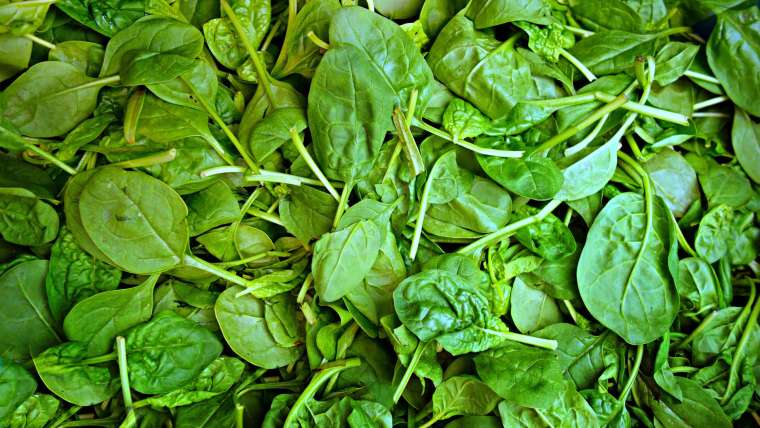
Growing basil in pots offers several advantages, especially for gardeners with limited space or those seeking convenience.
Potted basil can be easily moved to sunny locations, whether outdoors or indoors, ensuring optimal sunlight for healthy growth. It allows for better control over soil quality and moisture levels, reducing the risk of overwatering or poor drainage, which can lead to root rot.
In addition, growing basil in pots minimizes exposure to garden pests and diseases. This way of growing this popular culinary herb also makes it easy to bring the herb indoors during colder months, extending the growing season and providing a continuous supply of fresh basil year-round.
How to Grow Basil in a Pot

Growing basil in pots is an enjoyable and rewarding process, providing fresh, aromatic leaves for your culinary dishes.
By following below steps such as choosing the right pot, giving your basil adequate sunlight, and maintaining consistent watering, you’ll have a thriving basil plant in no time!
1. Choosing the Right Basil Variety
Before you begin, choose the type of basil that suits your needs. Some popular varieties include:
- Sweet Basil: The most common variety used in Italian dishes.
- Thai Basil: Has a distinct anise flavor, perfect for Asian cuisine.
- Lemon Basil: Offers a citrusy taste, ideal for teas and desserts.
- Purple Basil: Known for its striking color and mild flavor.
2. Selecting the Right Pot
Choose a pot that is at least 12 inches wide and deep, which allows enough space for the basil to grow a healthy root system.
Ensure that the pot has drainage holes to prevent waterlogging, as basil roots do not tolerate soggy conditions.
3. Best Soil for Basil
Basil prefers well-draining, nutrient-rich soil. Use a high-quality potting mix that contains organic matter and perlite or vermiculite to improve drainage. Avoid using garden soil, which can be too heavy for potted plants.
Pro Tip: You can enhance the soil by mixing in compost or slow-release fertilizer to provide additional nutrients.
4. Planting Basil
- Seeds: You can start basil from seeds indoors 4-6 weeks before the last frost. Fill the pot with potting mix, scatter seeds thinly, and cover lightly with soil. Keep the soil moist until germination occurs (usually within 7-14 days).
- Seedlings: If you’re using seedlings, dig a small hole in the center of the pot and plant them at the same depth they were in their nursery container.
5. Sunlight Requirements
Basil thrives in full sun, so place your pot in a location that receives at least 6-8 hours of sunlight each day.
A sunny windowsill, balcony, or patio works well. If growing indoors and sufficient sunlight is lacking, consider using a grow light.
6. Watering Your Basil
Basil needs consistent moisture but not overwatering. Water your plant when the top inch of soil feels dry. Ensure that excess water can drain freely from the pot to avoid root rot. During hot summer months, you may need to water your basil daily or every other day.
Pro Tip: Water basil at the base of the plant rather than overhead to prevent the leaves from getting wet, which can lead to fungal issues.
7. Fertilizing Basil
Basil is a relatively light feeder but benefits from occasional fertilization. Use an organic, balanced liquid fertilizer (e.g., 10-10-10) every 4-6 weeks. Over-fertilizing can cause basil to produce fewer flavorful leaves, so fertilize sparingly.
Pro Tip: Pinching back the tips of your basil plants can stimulate bushier growth and improve the yield of leaves.
8. Pruning and Harvesting
Pruning is essential to keep your basil healthy and to encourage more leaf growth. Pinch or snip the top leaves once the plant has 4-6 sets of leaves. This helps prevent the basil from flowering (bolting), which can make the leaves bitter.
When harvesting, always take leaves from the top and middle of the plant. Avoid taking too many leaves from the lower sections to keep the plant balanced. Regular harvesting (every 1-2 weeks) keeps the plant productive.
Pro Tip: Use sharp scissors or garden snips to avoid damaging the stems when harvesting.
9. Dealing with Pests and Diseases
Common pests that attack basil include:
- Aphids
- Spider mites
- Whiteflies
If you spot pests, use organic insecticidal soap or neem oil to treat the plant. Ensure proper air circulation around the plant to prevent fungal issues like powdery mildew.
Pro Tip: Basil plants grown in pots are less susceptible to pests and diseases than those grown in the ground, but it’s still important to inspect regularly.
10. Overwintering Basil
Basil is sensitive to cold temperatures. If you’re growing basil outdoors in pots, bring it indoors when temperatures drop below 50°F (10°C).
Place the plant near a sunny window and continue to water as needed. You can also grow basil indoors year-round if it gets enough light.
FAQ
Basil thrives in well-draining, nutrient-rich soil. A high-quality potting mix or a mixture of organic compost and perlite works well. Avoid garden soil as it may compact and limit drainage.
Water basil when the top 1-2 inches of soil feel dry. Basil prefers consistent moisture but doesn’t like to sit in soggy soil. Ensure good drainage by using pots with drainage holes.
Yes! Basil grows well indoors as long as it gets enough light. Place it in a sunny spot or under grow lights. Ensure it has good air circulation to avoid fungal diseases.
For sure! Basil loves warm temperatures. You can move it outdoors once nighttime temperatures are consistently above 50°F (10°C). Gradually acclimate the plant to the outdoor environment by placing it outside for a few hours each day.
Sign up to get our FREE weekly emails
Gardening guides, tips, & videos delivered right to your inbox!