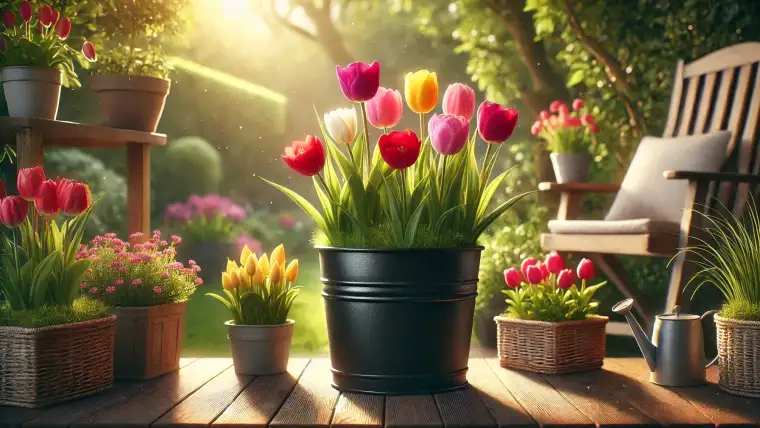
Growing marigolds in pots offers numerous benefits, especially for gardeners looking to add vibrant color and natural pest control to their space. Marigolds are low-maintenance flowers that thrive in container gardens, making them perfect for both indoor and outdoor setups, including balconies, patios, and small gardens.
Known for their resilience, marigolds repel common garden pests like aphids and nematodes, reducing the need for chemical pesticides and supporting organic gardening efforts. In addition to their pest-deterring properties, marigolds attract beneficial pollinators like bees and butterflies, promoting a healthier ecosystem.
These flowers bloom abundantly in sunny conditions, adding warmth and cheer to any setting. Easy to care for and adaptable to various climates, marigolds in pots make an excellent choice for beginner gardeners and experts alike.
How to Grow Marigolds in Containers

Growing marigolds in pots is a rewarding gardening project that adds a pop of color to any space with minimal effort. Here we provide you with a complete guide to ensure you grow beautiful, healthy marigolds in containers.
1. Choosing the Right Marigold Varieties
Marigolds come in various types, each suited to different garden styles:
- French Marigolds (Tagetes patula): Compact, bushy plants with small, dense flowers. Ideal for pots and window boxes.
- African Marigolds (Tagetes erecta): Taller with larger blooms, perfect for big pots.
- Signet Marigolds (Tagetes tenuifolia): Delicate, edible flowers with a citrus fragrance, great for decorative and culinary use.
2. Selecting the Right Pot
- Size: Choose a pot that’s at least 8–10 inches in diameter for small varieties like French marigolds, and 12–14 inches for larger types like African marigolds.
- Material: Clay or terracotta pots are ideal because they allow soil to breathe, but plastic pots can work too if drainage is ensured.
- Drainage: Ensure the pot has drainage holes to prevent root rot. If not, drill holes or use a pot liner with holes.
3. Choosing Soil and Fertilizer
- Soil: Use a well-draining potting mix. Marigolds thrive in a loamy, sandy mix, which prevents waterlogging and promotes healthy root growth.
- Fertilizer: Marigolds don’t require heavy feeding. Mix a slow-release balanced fertilizer into the soil at planting time. Avoid high-nitrogen fertilizers, which promote foliage at the expense of flowers.
4. Planting Marigold Seeds or Seedlings
- Timing: Marigolds are best planted in spring after the last frost. You can start seeds indoors 4–6 weeks before the last frost or plant them directly in pots.
- Sowing Depth: Sow seeds about ¼ inch deep and cover lightly with soil. If using seedlings, plant them at the same soil level they were growing in their starter pot.
- Spacing: If planting multiple marigolds in a large pot, space them 6–8 inches apart to allow adequate air circulation and prevent fungal issues.
5. Watering and Sunlight Needs
- Sunlight: Marigolds love full sun. Place your pots in a sunny spot where they receive at least 6–8 hours of sunlight daily.
- Watering: Water thoroughly when the top inch of soil feels dry. Avoid overwatering, as marigolds are drought-tolerant. Water at the soil level to prevent wetting the foliage, which can lead to mildew.
6. Maintenance and Pruning
- Deadheading: Remove faded flowers regularly to encourage continuous blooming. This will also keep the plant looking tidy.
- Pinching Back: For bushier growth, pinch back the growing tips when the plants are young. This promotes side branching and more flowers.
- Pest Control: Marigolds are hardy but can be susceptible to aphids and spider mites. Use insecticidal soap or neem oil as needed, especially for plants kept in humid conditions.
7. Fertilizing Throughout the Growing Season
- Marigolds benefit from a light feeding of water-soluble, preferably organic fertilizer every 4–6 weeks during the growing season. Avoid over-fertilizing to keep blooms vibrant.
8. Overwintering and Replanting
- Annual Cycle: Marigolds are annuals, so they’ll need to be replanted each spring. To collect seeds for the next season, allow a few flowers to dry on the plant, harvest seeds, and store them in a cool, dry place.
- Frost Protection: Marigolds are not frost-hardy, so if you live in a colder climate, bring your pots indoors before the first frost, or discard plants at the end of the season.
9. Common Problems and Solutions
- Yellow Leaves: Often caused by overwatering. Let the soil dry between waterings.
- Fungal Diseases: Powdery mildew or root rot can occur in overly wet conditions. Water at the soil level and ensure good air circulation.
- Leggy Growth: Caused by low light. Move your marigolds to a sunnier spot if they’re stretching too much.
10. Decorating and Arranging
- Marigolds look beautiful mixed with other sun-loving plants in larger pots. Combine them with herbs like basil or rosemary for a practical and decorative container garden.
- You can also line marigold pots along walkways or use them in hanging baskets for a cascading effect.
FAQ
Water when the top inch of soil feels dry. Marigolds are drought-tolerant but prefer moist (not soggy) soil. In hot weather, you may need to water every day.
While they’re best suited for outdoor conditions, you can grow marigolds indoors if they have enough light. Place them near a sunny window or use a grow light to supplement natural light.
Marigolds are natural pest repellents but can still attract aphids, spider mites, or whiteflies. Regularly check for pests, and use a gentle insecticidal soap if needed. Removing any dead or damaged leaves also helps prevent infestations.
Deadhead spent blooms regularly to encourage continuous flowering. Simply pinch off the faded blooms just above a set of leaves to keep your marigolds blooming longer.
Yes! Allow a few blooms to dry and go to seed. Collect seeds from the dried flower heads, store them in a cool, dry place, and plant them next season.
For sure! Marigolds are known for attracting beneficial pollinators like bees and butterflies, making them a great choice for container gardens on patios or balconies.
Sign up to get our FREE weekly emails
Gardening guides, tips, & videos delivered right to your inbox!