
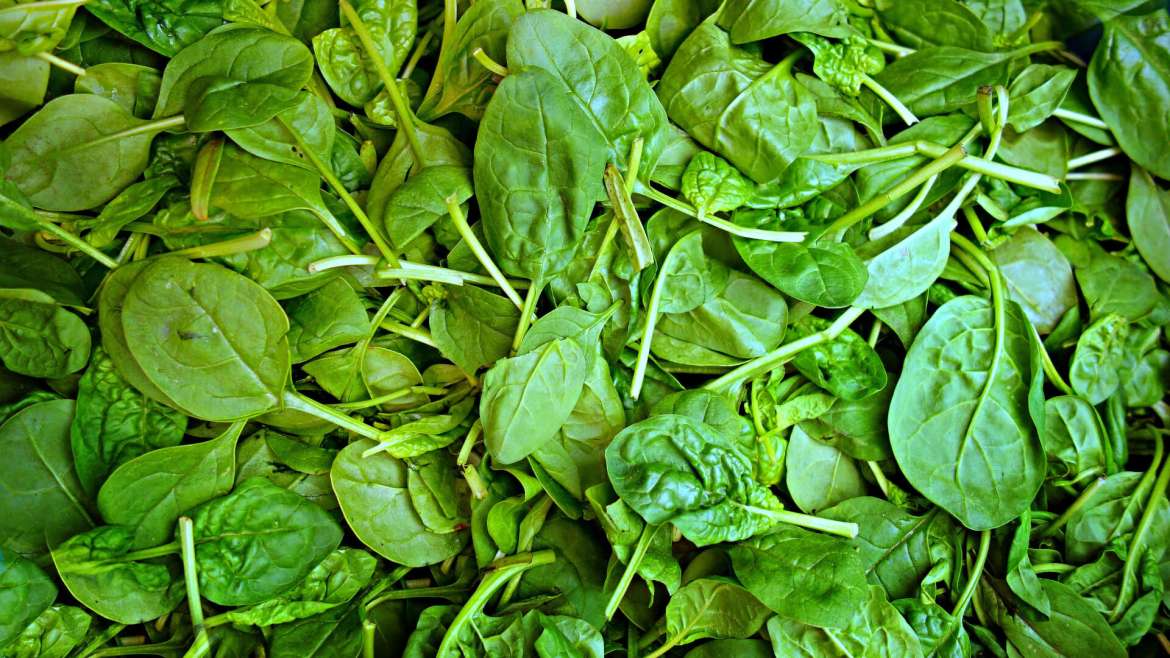
Growing spinach in containers offers several benefits, particularly for those with limited gardening space. Containers provide the flexibility to place spinach in optimal sunlight conditions and allow for better control over soil quality, moisture, and drainage, ensuring healthy growth. This method also minimizes the risk of soil-borne diseases and pests.
Additionally, growing spinach in containers allows for easier mobility, enabling gardeners to extend the growing season by moving the plants indoors during colder months. It’s a great option for urban gardeners or anyone looking to have fresh, nutritious greens year-round.
How to Grow Spinach in Pots
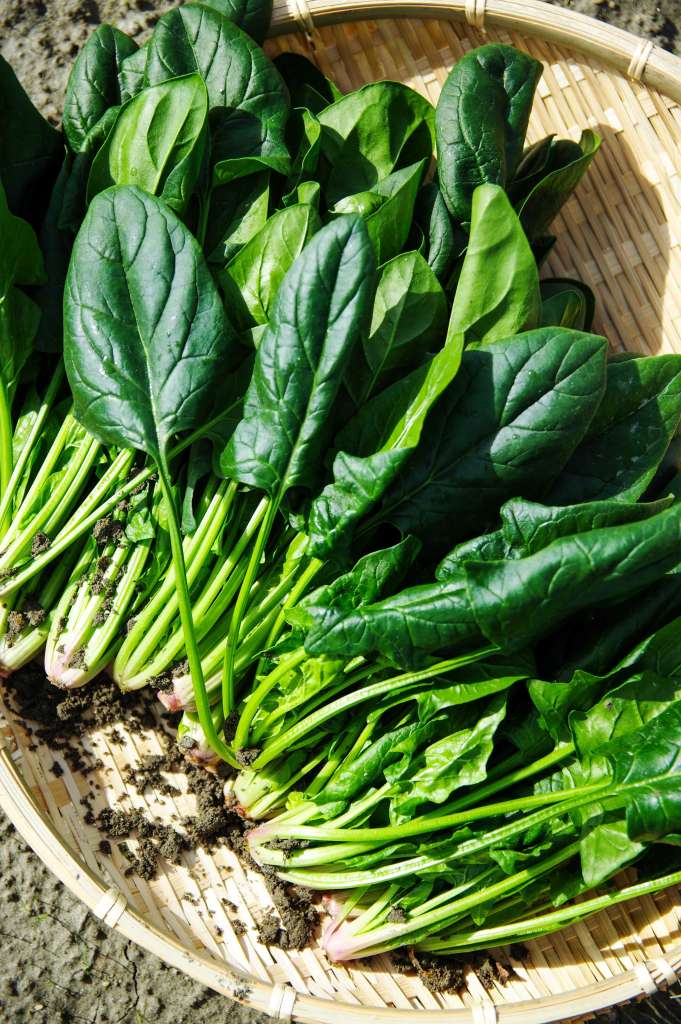
Spinach is a cool-weather crop, and with the right care, it can thrive in containers. Below is a comprehensive guide to help you grow spinach successfully in containers.
1. Choosing the Right Spinach Variety
Spinach comes in several varieties, and choosing the right one for container gardening is crucial. Some popular varieties for container gardening include:
- Baby Spinach: Great for salads and matures quickly.
- Savoy Spinach: Known for its crinkly leaves and cold tolerance.
- Smooth-Leaf Spinach: Easier to clean and ideal for cooking.
- Malabar Spinach: Not true spinach, but an excellent warm-weather alternative that can grow well in containers.
2. Selecting the Right Container
Spinach has shallow roots, so it doesn’t require deep containers, but you do want to provide enough space for the plant to spread out. Follow these tips:
- Size: Choose a container that is at least 6-8 inches deep. A wider container can support multiple plants.
- Drainage: Ensure the container has good drainage holes to prevent waterlogging, which can lead to root rot.
- Material: Containers made of plastic, clay, or fabric work well for spinach. Fabric pots, in particular, offer excellent air circulation for the roots.
3. Soil Preparation
Spinach thrives in nutrient-rich, well-draining soil. The soil should retain moisture without becoming waterlogged. Here’s what to consider:
- Soil Mix: Use a high-quality potting mix that contains organic matter. A mix of equal parts potting soil, compost, and perlite or vermiculite will provide good drainage and nutrients.
- pH Level: Spinach prefers a slightly acidic to neutral pH range of 6.0 to 7.0. You can test your soil and amend it if needed with lime (to raise pH) or sulfur (to lower pH).
4. Planting Spinach in Containers
When to Plant
- Spinach prefers cool weather, so plant seeds in early spring or late summer for fall harvesting. For indoor growing, spinach can be grown year-round.
Planting Seeds
- Sow the Seeds: Plant spinach seeds about ½ inch deep and 2-3 inches apart. For continuous harvesting, plant a new batch every 2-3 weeks.
- Watering: After planting, water the soil gently but thoroughly. Keep the soil consistently moist until germination, which usually takes about 5-10 days.
Transplanting Seedlings
If starting spinach indoors or buying seedlings, transplant them when they have 2-3 true leaves. Space them 3-5 inches apart.
5. Light and Temperature Requirements
- Light: Spinach thrives in full sun (6-8 hours of sunlight), but it can also tolerate partial shade, especially in warmer climates where some afternoon shade may prevent bolting (when the plant goes to seed prematurely).
- Temperature: Ideal temperatures for growing spinach range from 50-75°F (10-24°C). Spinach can tolerate light frosts but will bolt in temperatures above 80°F (27°C).
6. Watering Spinach
Spinach needs consistent moisture, but the roots should not be waterlogged. Here’s how to water spinach properly:
- Frequency: Water the soil regularly, aiming to keep it consistently moist but not soggy. Water when the top inch of soil feels dry.
- Method: Water at the base of the plant rather than overhead to prevent fungal diseases, especially in cooler weather.
7. Fertilizing Spinach
Spinach is a heavy feeder and benefits from regular fertilization. Here’s what you should know:
- Organic Fertilizer: Use a balanced organic fertilizer (such as 10-10-10) or compost tea every 2-3 weeks. High nitrogen fertilizers are ideal for leafy greens like spinach.
- Avoid Over-Fertilizing: Too much fertilizer can lead to nutrient imbalances or damage the plants, so follow package instructions carefully.
8. Thinning and Spacing
As your spinach plants grow, they may need thinning to ensure adequate space for growth:
- Thinning: Thin the seedlings when they are about 2 inches tall, leaving the strongest plants about 3-5 inches apart.
- Crowding: Overcrowded plants may not grow as well and are more prone to disease, so give them plenty of space.
9. Pests and Diseases
Spinach can be susceptible to a few pests and diseases, particularly in container gardens. Some common issues include:
- Aphids: These small insects can cluster on the undersides of leaves. Use insecticidal soap or a strong jet of water to remove them.
- Leaf Miners: These pests burrow into spinach leaves, leaving trails. Remove and dispose of affected leaves to prevent spreading.
- Fungal Diseases: Overwatering or wet foliage can lead to fungal issues like downy mildew. Water at the base of the plant and ensure good air circulation around the plants.
10. Harvesting Spinach
Spinach is ready for harvest about 30-50 days after planting, depending on the variety. There are two ways to harvest:
- Cut-and-Come-Again: Harvest individual leaves from the outer part of the plant when they are about 3-4 inches long. This allows the plant to keep producing more leaves.
- Full Harvest: Once the plant is mature, you can cut the entire plant at the base, just above the soil line.
For best flavor, harvest spinach in the morning when the leaves are crisp and fresh.
FAQ
A pot with a depth of at least 6–8 inches is ideal for spinach. It needs enough space for root development but doesn’t require a deep pot.
Spinach thrives in partial shade to full sunlight. Around 4–6 hours of direct sunlight per day is best for optimal growth.
Keep the soil consistently moist, but avoid overwatering. Water whenever the top inch of soil feels dry.
Spinach usually takes 6–8 weeks to mature from seed to harvest, depending on the variety.
Use a balanced liquid fertilizer once every 2-3 weeks during the growing season. Avoid over-fertilizing as spinach can grow well with minimal feeding.
Yes, in mild climates or indoors, spinach can be grown year-round. However, it prefers cooler temperatures, so it’s ideal for spring or fall growing seasons.
Sign up to get our FREE weekly emails
Gardening guides, tips, & videos delivered right to your inbox!


