

Companion planting is a gardening technique that involves growing certain plants together to promote growth, attract beneficial insects, and ward off pests. It’s a sustainable method that can improve soil health, increase crop yields, and create a balanced ecosystem in your garden.
One plant that thrives in companion planting is borage, a hardy herb known for its striking blue flowers, broad leaves, and culinary and medicinal uses. Native to the Mediterranean, borage is easy to grow and offers numerous benefits to gardeners.
In this article, we’ll explore why you should consider companion planting for borage, which plants work best with it, which to avoid, and some useful tips to help you get the most out of your garden.
Why You Should Consider Companion Planting for Borage
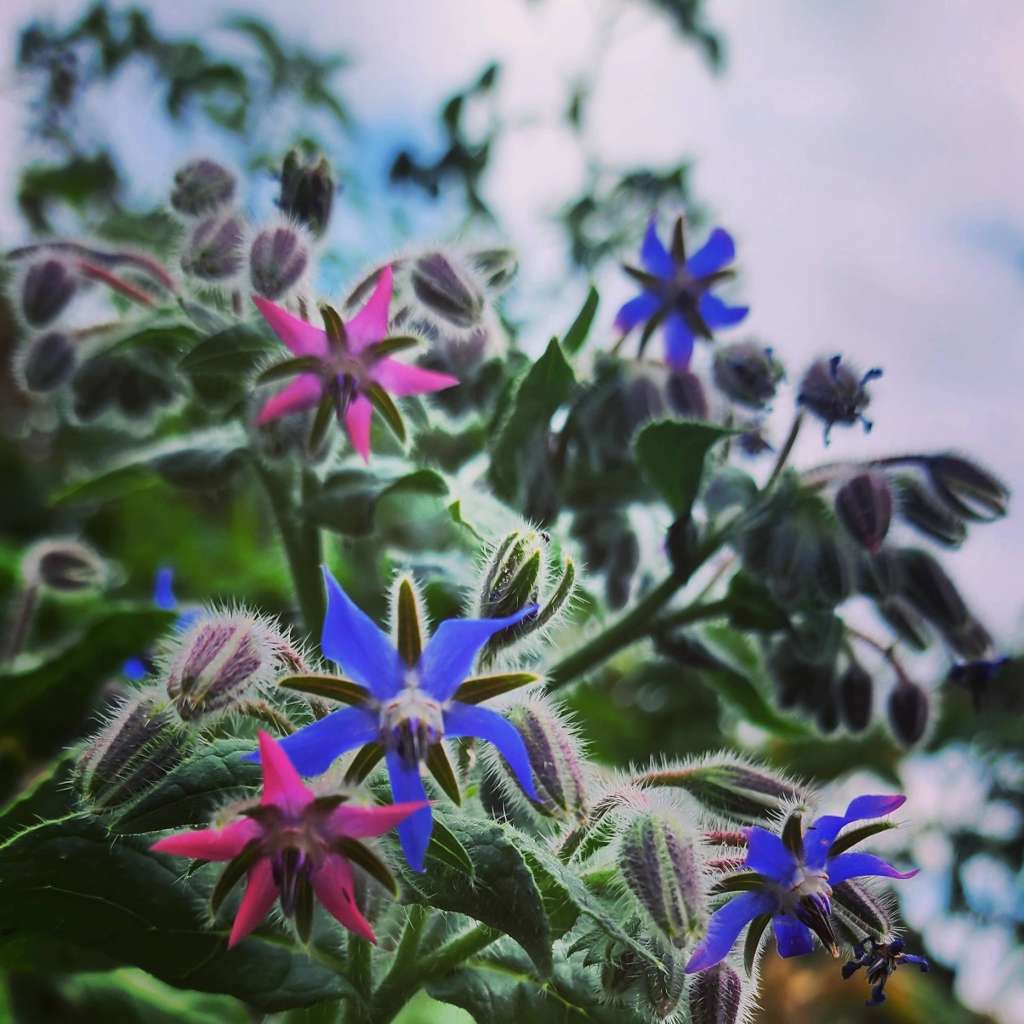
Borage is not only a beautiful and fragrant herb but also an excellent companion for a variety of plants. It has unique properties that make it valuable in the garden. First and foremost, borage is an outstanding pollinator attractant. Its bright blue, star-shaped flowers are adored by bees, butterflies, and other pollinators. This makes borage a great addition to any garden looking to support pollinator populations and increase fruit and vegetable yields.
Additionally, borage is known for its natural pest-repellent properties. It contains a compound called pyrrolizidine alkaloids, which act as a natural deterrent to some common garden pests like aphids, tomato hornworms, and cabbage worms. When planted near susceptible crops, borage helps to reduce pest infestations, offering a natural alternative to chemical pesticides.
Borage also serves as a soil conditioner. It has deep roots that can break up compacted soil, allowing for better air and water penetration. As borage grows, it releases minerals like potassium, calcium, and magnesium into the soil, enriching the ground around it. When its leaves decompose, they add organic matter to the soil, further improving its structure and fertility.
Lastly, borage can provide shade and ground cover. When grown in a garden, its sprawling growth habit helps to suppress weeds, keeping unwanted plants at bay. The leaves of the plant also provide some shade to tender crops, especially during hot summer months, offering protection from extreme heat.
For these reasons, companion planting with borage can lead to a healthier, more productive garden. When you select the right companion plants, borage can enhance the growth of your other plants and help maintain a thriving ecosystem in your garden.
Best Companion Plants for Borage

Borage is an excellent companion for a variety of vegetables, herbs, and flowers. Its unique properties work synergistically with certain plants, offering a wide range of benefits.
1. Tomatoes
Borage and tomatoes are often planted together because of their complementary growth habits. Borage attracts pollinators like bees and butterflies, which are essential for the successful pollination of tomato flowers. The increased pollination leads to a larger fruit yield. Moreover, borage helps to repel common tomato pests like hornworms and aphids, reducing the need for chemical pesticides. The broad, bushy leaves of borage also provide some shade to the tomato plants, protecting them from harsh sun during the summer months.
2. Cucumbers
Borage is known to enhance the flavor of cucumbers when grown nearby. It can also provide protection against cucumber beetles, which are notorious for attacking cucumber plants. In addition, borage helps to improve the soil structure, which can promote healthy cucumber growth. The sprawling nature of borage also provides ground cover that helps retain soil moisture, which is particularly important for cucumber plants, which require consistent moisture to thrive.
3. Strawberries
Borage can be an excellent companion for strawberries, as it attracts pollinators that are crucial for the fruiting of strawberry plants. In addition to improving pollination, borage helps to deter pests like aphids, which can damage strawberry leaves. Its ability to improve soil quality also benefits strawberries by providing the necessary nutrients for optimal growth.
4. Peppers
Much like tomatoes, peppers benefit from the presence of borage. The herb attracts pollinators and deters pests such as aphids and spider mites, which can harm pepper plants. Borage’s deep roots can also help loosen compacted soil, improving root development for pepper plants. In addition, borage helps to maintain consistent soil moisture, which is vital for the healthy growth of peppers.
5. Spinach and Lettuce
Borage is an excellent companion for leafy greens like spinach and lettuce, as it helps to attract pollinators and provides some shade, which can prevent the leaves from wilting during hot weather. Its deep roots also help improve the soil structure, which benefits the shallow-rooted spinach and lettuce plants. Furthermore, borage can help deter common pests such as aphids and cabbage worms, which often target leafy greens.
6. Squash
Squash plants, particularly zucchini, benefit from being planted near borage. Borage helps deter squash bugs, which are a common pest that attacks squash plants. Additionally, borage attracts beneficial insects like ladybugs, which can help control pest populations in your garden. The broad leaves of borage can also provide some shade and ground cover, preventing weeds from competing with your squash plants for resources.
7. Herbs like Oregano, Thyme, and Mint
Borage makes an excellent companion for many herbs, particularly oregano, thyme, and mint. These herbs are known to attract beneficial insects, and when planted near borage, they create a harmonious environment in which pests are controlled naturally. Additionally, borage’s ability to improve soil quality can benefit these herbs by providing the nutrients they need to thrive.
Plants to Avoid Planting Near Borage

While borage is generally a great companion plant, there are certain plants that may not benefit from being planted near it. Borage’s large, sprawling growth habit and its allelopathic tendencies can interfere with the growth of some plants. Here are a few plants you should consider avoiding near borage:
1. Fennel
Fennel is a plant that should be avoided near borage, as fennel is known to release chemicals that can inhibit the growth of other plants, including borage. Fennel’s deep roots and aggressive growth can also compete with borage for nutrients and space, potentially stunting the growth of both plants.
2. Cabbage Family (Brassicas)
Borage can interfere with the growth of brassicas such as cabbage, broccoli, cauliflower, and kale. While borage helps to repel certain pests, it can also attract aphids and other pests that brassicas are particularly susceptible to. Additionally, the strong scent of borage may not be ideal for brassicas, which rely on certain pollinators and pest deterrents that borage may disrupt.
3. Potatoes
Potatoes and borage may not be the best pairing because both plants require similar nutrients. If planted too closely, they may compete for nutrients and water, potentially affecting their growth. Additionally, borage’s tendency to attract certain pests, such as aphids, could attract them to your potato plants as well.
4. Peas
Peas are another plant that may not thrive near borage. Borage’s dense foliage can create shade that peas don’t particularly appreciate, as they prefer full sun. Additionally, borage’s deep roots could compete with the shallow roots of peas for nutrients, leading to poor growth for both plants.
Tips for Growing Companion Plants with Borage
If you’re new to companion planting or are just looking for some tips on how to grow borage alongside other plants, here are a few things to keep in mind:
1. Spacing
Borage can grow quite large, so make sure to give it enough space to spread out. While it’s great for ground cover and shade, overcrowding other plants can hinder their growth. Ensure your companion plants have ample space to grow without being overshadowed by borage’s sprawling growth.
2. Soil Quality
Borage thrives in well-drained, fertile soil. Before planting, amend the soil with compost or organic matter to improve its structure and provide essential nutrients. If you’re planting borage with other companion plants, make sure the soil conditions are suitable for both plants.
3. Watering Needs
Borage prefers consistent moisture but doesn’t like to sit in waterlogged soil. Ensure that your companion plants also have similar water requirements to avoid stressing either plant. If some of your companion plants need less water, be sure to water accordingly, or consider using mulch to help retain moisture around the plants.
4. Mulching
Using mulch around borage can help retain moisture, suppress weeds, and improve the overall health of your garden. Mulch is especially useful when growing companion plants with borage, as it helps maintain the right environment for both types of plants.
5. Regular Harvesting
Regularly harvesting borage leaves and flowers will encourage continued growth and help keep the plant from becoming too invasive. You can use borage leaves and flowers in culinary dishes, herbal teas, or for medicinal purposes, allowing you to get the most out of this versatile plant.
In conclusion, companion planting with borage can help create a healthier, more productive garden. By pairing borage with the right plants and avoiding those that may compete with it, you can enjoy a garden filled with vibrant colors, bountiful harvests, and natural pest control. With its many benefits, borage is truly a star companion in any garden.
Sign up to get our FREE weekly emails
Gardening guides, tips, & videos delivered right to your inbox!


