
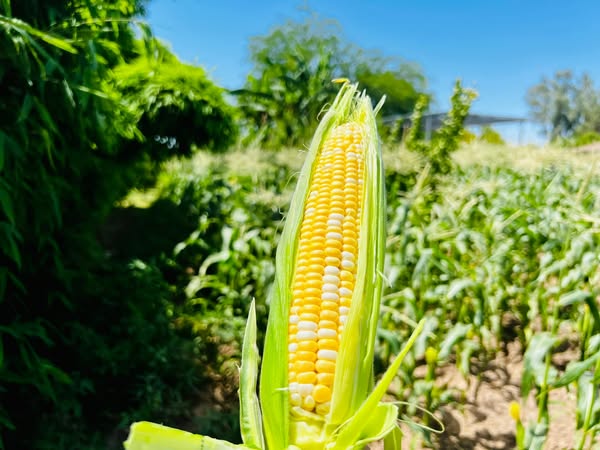
If you’re wondering on how to grow corn in a pot, this guide is for you. Growing corn in containers offers several benefits, particularly for urban gardeners or those with limited outdoor space. Containers provide controlled growing conditions, allowing you to optimize soil quality, drainage, and nutrient levels, which are crucial for healthy corn growth. This method also minimizes the risk of soil-borne pests and diseases, offering a cleaner and safer environment for the plants.
In addition to all of that, container gardening makes it easier to manage water distribution and sunlight exposure by repositioning the containers as needed. It also enables gardeners to grow corn in non-traditional spaces, such as patios, balconies, or rooftops, making fresh, homegrown corn accessible to more people.
How to Grow Corn in a Pot
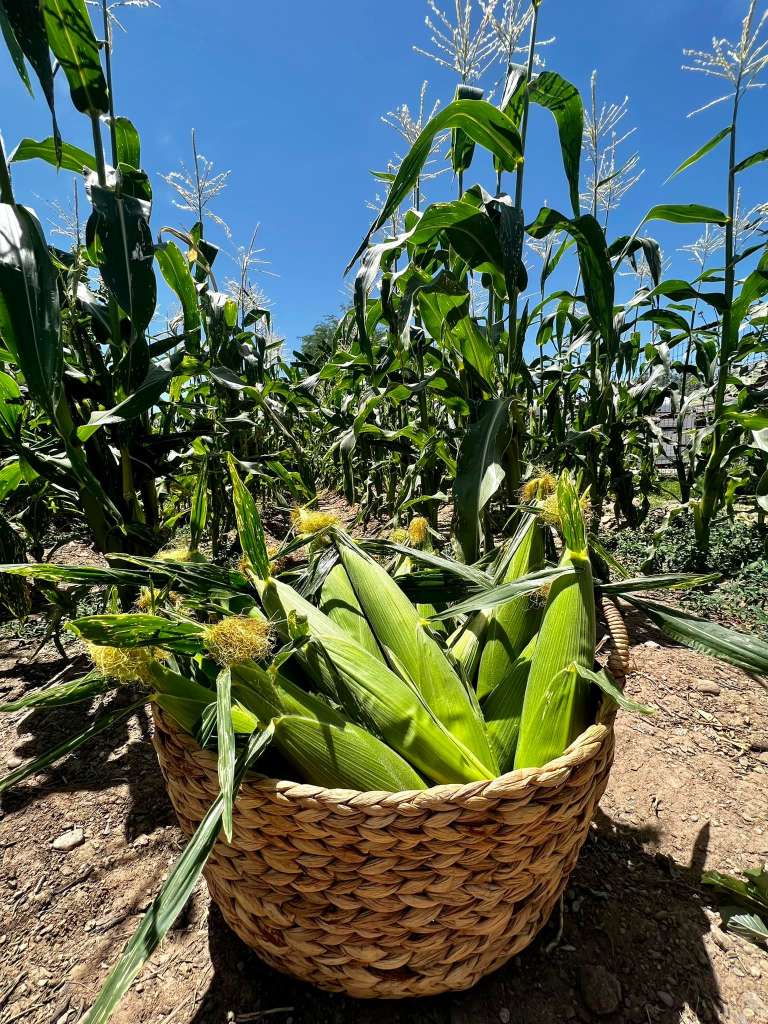
Growing corn in a pot can be a fun and rewarding way to enjoy this delicious vegetable, even if you lack a traditional garden. Below is a step-by-step guide to help you successfully grow corn in containers.
1. Select the Right Corn Variety
- Choose dwarf or compact varieties: Since corn grows tall, opt for varieties like “Trinity,” “Sweet Painted Mountain,” or “Baby Corn” that are more suited for container gardening.
- Consider climate adaptability: Choose a variety that thrives in your local growing conditions.
2. Gather Materials
- Container: Use a large, sturdy pot with at least a 20-inch diameter and depth. Corn has a shallow root system but needs space for stability and nutrient absorption.
- Ensure the pot has good drainage holes.
- Soil: Use high-quality, well-draining potting mix rich in organic matter. Avoid garden soil, as it can compact and hinder drainage.
- Fertilizer: Corn is a heavy feeder, so choose a balanced fertilizer (e.g., 10-10-10) or organic options like compost or manure.
- Seeds: Purchase fresh, untreated corn seeds.
3. Plant the Seeds
- Timing: Plant seeds in late spring or early summer, once the soil temperature is consistently above 60°F (15°C).
- Spacing: Plant seeds in clusters of 3-4 per pot to ensure successful pollination, as corn relies on wind for pollination.
- Depth: Sow seeds about 1-1.5 inches deep.
- Watering: Water thoroughly after planting to settle the soil.
4. Provide Ideal Growing Conditions
- Sunlight: Place the pot in a location that receives 6-8 hours of direct sunlight daily.
- Temperature: Corn thrives in temperatures between 60°F and 85°F (15°C to 29°C).
- Support: As the plants grow, insert stakes or a small trellis to support the tall stalks and prevent tipping.
5. Watering and Feeding
- Watering: Corn needs consistent moisture, especially during tasseling and cob formation. Keep the soil evenly moist but not waterlogged.
- Use a soaker hose or water at the base to avoid wetting the leaves.
- Fertilizing: Feed corn every 2-3 weeks with a nitrogen-rich fertilizer. After the stalks grow about a foot tall, switch to a balanced fertilizer to support ear development.
6. Pollination
Since corn is wind-pollinated, proper pollination is crucial for kernel development:
- Hand-pollination (optional): Shake the stalks gently when tassels (male flowers) appear to disperse pollen onto the silks (female flowers).
- Multiple pots: If space allows, grow several pots of corn together for better pollination.
7. Pest and Disease Management
- Pests: Watch out for pests like aphids, corn earworms, and cutworms. Use neem oil or insecticidal soap as needed.
- Diseases: Prevent fungal diseases by avoiding overhead watering and ensuring good air circulation around the plants.
8. Harvesting
- Timing: Corn is ready for harvest about 60-100 days after planting, depending on the variety.
- Signs of maturity:
- Kernels should be plump and milky when pierced.
- Silks should turn brown and dry, but husks should remain green.
- Harvest: Twist the ear gently downward to detach it from the stalk.
9. Post-Harvest Care
- Composting: After harvesting, cut down the stalks and add them to your compost.
- Soil refreshment: Replace or amend the soil with fresh compost if reusing the pot for another crop.
10. Additional Tips
- Companion Planting: Grow beans or squash in separate containers nearby to mimic the “Three Sisters” planting technique, which benefits soil health and deters pests.
- Staggered Planting: For a continuous harvest, sow seeds in intervals of 2 weeks.
FAQs
Yes, corn can be successfully grown in pots as long as the container is large enough and proper care is taken. Choose a pot with a minimum size of 20 gallons or at least 12 inches in depth to provide ample space for the roots.
You can grow 2-4 corn plants in a large container (20+ gallons), ensuring adequate space between plants (about 6-8 inches apart).
Corn plants need consistent moisture, especially during germination and pollination. Water the pot thoroughly whenever the top inch of soil feels dry, but avoid waterlogging.
Corn relies on wind for pollination, so in pots, you need to manually pollinate by gently shaking the stalks or rubbing the tassels to release pollen over the silks. Planting multiple stalks in the same pot increases the chance of successful pollination.
Sign up to get our FREE weekly emails
Gardening guides, tips, & videos delivered right to your inbox!


