
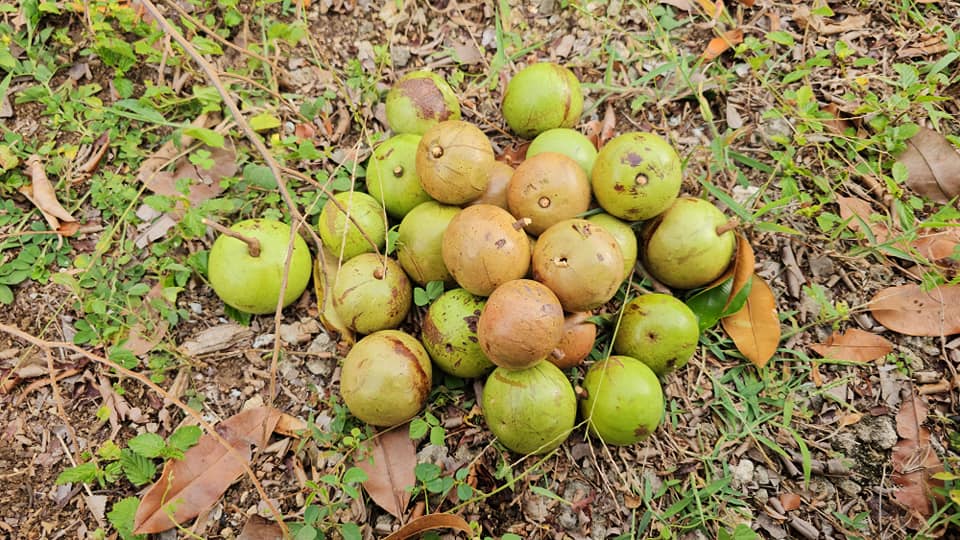
Growing star apple in containers got so many advantages. It allows gardeners to cultivate this tropical fruit tree in limited spaces, such as patios or balconies, where planting directly in the ground isn’t feasible. Containers provide better control over soil quality, drainage, and root development, reducing the risk of waterlogging.
In addition, container-grown star apples can be moved to optimize sunlight exposure or protect the plant from harsh weather, especially in colder climates. This flexibility also makes it easier to manage pests and diseases. Lastly, containers help limit the tree’s size, making harvesting more accessible and maintaining the tree more manageable.
How to Grow Star Apple in Containers
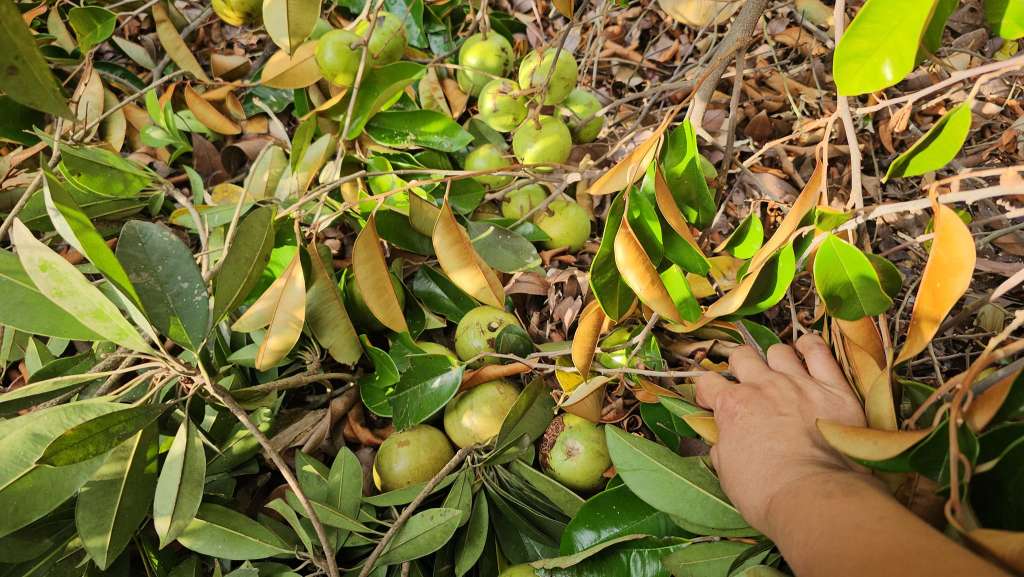
Growing star apple, also known as caimito or golden leaf tree, in containers is an excellent option if you have limited space or want to control the plant’s environment.
This tropical fruit tree, with its glossy leaves and sweet, juicy fruit, is well-suited for container gardening when proper care is taken. Check out our step-by-step guide to help you successfully grow star apple in containers.
1. Choosing the Right Container
The container you choose is crucial for the healthy growth of your star apple tree.
- Size: Start with a container that is at least 18–24 inches (45–60 cm) in diameter and depth. As the tree matures, it will need to be transplanted into a larger pot of 30–40 gallons (113–150 liters).
- Material: Use containers made of terracotta, wood, or plastic, ensuring they have drainage holes to prevent waterlogging.
- Mobility: If you live in a colder climate, use pots with wheels or place the container on a rolling platform for easy movement indoors during winter.
2. Preparing the Soil Mix
Star apple prefers well-draining soil with good moisture retention.
- Recommended mix:
- 1 part garden soil
- 1 part coco coir or peat moss for moisture retention
- 1 part perlite or sand for drainage
- Add compost or well-rotted manure to enrich the soil with organic nutrients.
- Soil pH: Star apple thrives in slightly acidic to neutral soil (pH 6.0–7.5).
3. Planting the Tree
You can grow star apple either from seed or by purchasing a grafted tree from a nursery.
- Grafted tree: Grafted plants usually fruit within 3–5 years, while seed-grown trees may take longer (up to 8–10 years).
- How to plant:
- Fill the container halfway with the prepared soil mix.
- Position the sapling or seedling in the center of the pot.
- Fill the rest of the container, ensuring the root ball is fully covered, but leave 2–3 inches (5–7 cm) of space at the top for watering.
- Water thoroughly after planting to settle the soil.
4. Location and Light Requirements
- Light: Star apple needs full sun to thrive—6 to 8 hours of direct sunlight daily.
- Temperature: It grows best in temperatures above 60°F (15°C). If you live in a region with cold winters, place the container in a greenhouse or indoors near a sunny window during cooler months.
5. Watering and Humidity Needs
- Watering: Star apple prefers moist but not soggy soil. Water the plant once or twice a week, increasing the frequency during the hot season.
- Humidity: Maintain humidity levels between 60–80%. If growing indoors, use a humidifier or mist the leaves regularly to mimic tropical conditions.
6. Fertilization
- Frequency: Fertilize every 4–6 weeks during the growing season (spring to summer).
- Fertilizer type: Use a balanced fertilizer (10-10-10) or a fruit tree fertilizer with micronutrients such as magnesium, iron, and zinc.
- Organic alternatives: You can apply compost tea, fish emulsion, or liquid seaweed every 2–3 weeks.
7. Pruning and Maintenance
- Pruning: Prune the tree regularly to maintain a compact shape and encourage air circulation.
- Remove any dead, damaged, or crowded branches.
- Trim the branches back in late winter before the new growth starts.
- Support: If the tree grows tall, use a stake or trellis to prevent it from toppling over, especially if it is top-heavy.
8. Pest and Disease Control
- Common pests: Aphids, scale insects, and spider mites may attack the star apple. Use insecticidal soap or neem oil spray to manage infestations.
- Diseases: Root rot can occur if the soil remains too wet. Ensure proper drainage and avoid overwatering.
- Tip: Keep the area around the tree clean by removing fallen leaves and fruit to discourage pests.
9. Pollination
Star apple trees are self-pollinating but benefit from cross-pollination to increase fruit yield. If you have space, growing a second tree nearby can improve fruit production.
Outdoors, bees and other pollinators will aid in pollination, but if indoors, you may need to hand-pollinate using a soft brush.
10. Harvesting
- When to harvest: Star apple fruits ripen about 5–6 months after flowering.
- Signs of ripeness:
- The fruit becomes slightly soft when pressed.
- The skin color turns dark purple or greenish-yellow, depending on the variety.
- Ripe fruits often fall from the tree.
- How to harvest: Use pruning shears to cut the fruit from the tree to avoid damaging the branches.
11. Troubleshooting Common Issues
- Yellowing leaves: This may indicate overwatering or nutrient deficiency. Adjust watering frequency and fertilize with a balanced fertilizer.
- No flowers or fruit: Insufficient sunlight or poor pollination can hinder flowering. Move the container to a sunnier spot and consider hand-pollination.
- Leggy growth: If the plant grows tall with sparse leaves, it may not be getting enough light. Ensure it receives at least 6 hours of sunlight daily.
12. Winter Care
- If grown in regions with cool winters, bring the container indoors before the temperature drops below 50°F (10°C).
- Reduce watering during the winter months to prevent root rot.
- Place the plant near a bright, sunny window or use a grow light to ensure it receives adequate light indoors.
FAQ
Yes! Star Apple can thrive in large containers, but it requires proper care to mimic its natural environment, especially as it is a tropical fruit tree that prefers warm climates.
Star Apple is sensitive to frost and temperatures below 40°F (4°C). Move the container indoors during cold months or cover it with frost cloth if left outdoors.
If grown indoors or in an area with low pollinator activity, hand pollination may be needed. Use a soft brush to transfer pollen between flowers.
Look for dwarf varieties or grafted Star Apple trees, which are more suitable for containers and bear fruit sooner.
Sign up to get our FREE weekly emails
Gardening guides, tips, & videos delivered right to your inbox!


