

Growing cashews in containers offers several advantages, particularly for small-scale growers or those in regions with unsuitable outdoor conditions. Container gardening allows precise control over soil quality, drainage, and nutrients, which are essential for the cashew tree’s growth. It also enables mobility, allowing the tree to be moved to optimize sunlight exposure or protect it from harsh weather.
Additionally, growing cashews in containers minimizes the risk of soil-borne diseases and pests, while conserving space for urban or limited gardening areas. This method also makes monitoring and harvesting easier, making it a practical choice for hobbyists and small producers.
Growing Cashews in a Container
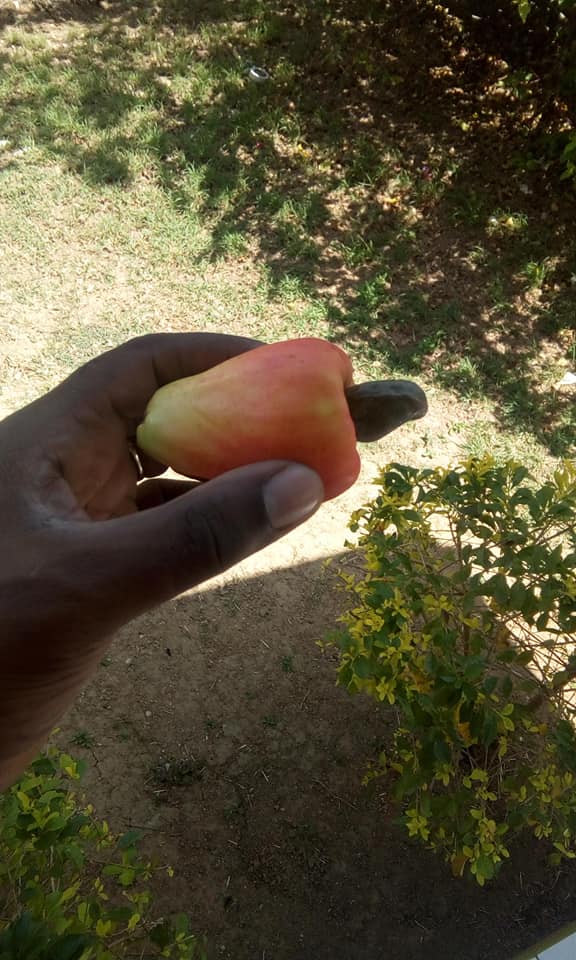
Growing cashews in containers can be a rewarding experience, especially for those with limited space or in regions where cashew trees might not thrive in the ground. Below is a detailed guide to help you grow healthy cashew trees in containers:
1. Understanding Cashew Trees
Cashew trees (Anacardium occidentale) are tropical, evergreen trees known for their nuts and apples. They thrive in warm climates with temperatures between 25–35°C (77–95°F). Before starting, understand their growth habits:
- Mature Size: In natural conditions, they can grow up to 40 feet tall, but container growth limits their size.
- Growth Requirements: They prefer well-drained soil, full sunlight, and a warm climate.
- Time to Fruit: Cashew trees take 3–5 years to produce nuts when grown from seed.
2. Selecting the Right Container
Cashew trees need ample space for their roots to grow. Here’s what to consider:
- Size: Use a large container (at least 20–25 gallons or 75–100 liters). Start with a smaller pot (5–10 gallons) and transplant as the tree grows.
- Material: Choose a durable material like terracotta, plastic, or wood. Ensure the container is lightweight if you plan to move it indoors during cold seasons.
- Drainage: The container must have multiple drainage holes to prevent waterlogging, which can harm the tree.
3. Choosing the Planting Medium
Cashew trees prefer slightly sandy, well-draining soil. Create a suitable mix:
- Ideal Mix: Combine 50% garden soil, 30% sand, and 20% organic compost.
- pH Level: Ensure the soil has a pH between 5.0 and 6.5.
- Optional Additions: Add perlite or vermiculite to improve aeration and drainage.
4. Planting the Cashew Tree
You can grow a cashew tree from seeds, grafted plants, or seedlings:
From Seed:
- Prepare the Seed: Use fresh, untreated cashew seeds. Soak them in water for 24 hours to speed up germination.
- Plant: Sow the seed 1–2 inches deep in the soil.
- Location: Place the container in a warm, sunny spot.
From Seedling/Grafted Plant:
- Planting: Dig a hole in the soil large enough to fit the root ball of the seedling or grafted plant.
- Positioning: Place the seedling and cover the roots with soil, ensuring the graft union (if any) is above the soil line.
5. Watering
- Cashew trees are drought-tolerant but need consistent moisture when young.
- Frequency: Water when the top 2 inches of soil feel dry.
- Avoid Overwatering: Excess water can lead to root rot. Ensure the container drains well.
6. Sunlight and Temperature
- Sunlight: Cashew trees need at least 6–8 hours of direct sunlight daily.
- Temperature: Maintain a temperature of 25–35°C (77–95°F). Protect the tree from frost and cold drafts.
7. Fertilizing
Regular fertilization supports healthy growth and nut production:
- Young Trees: Use a balanced fertilizer (10-10-10 NPK) every 6–8 weeks during the growing season.
- Mature Trees: Switch to a fertilizer high in potassium and phosphorus (e.g., 5-10-10 NPK) to encourage flowering and fruiting.
- Organic Options: Apply compost or well-rotted manure once every 3–4 months.
8. Pruning
- Purpose: Prune to shape the tree, remove dead branches, and improve air circulation.
- Timing: Prune during the dormant season or after the fruiting period.
- Method: Use sterilized tools to trim away weak or overcrowded branches.
9. Pest and Disease Management
Cashew trees can face issues such as aphids, mealybugs, or fungal infections.
- Natural Remedies: Use neem oil or insecticidal soap to control pests.
- Fungal Issues: Avoid overwatering and apply fungicides if necessary.
- Preventative Care: Regularly inspect the tree for signs of infestation or disease.
10. Pollination and Fruiting
Cashew trees are self-pollinating, but natural pollinators like bees can boost fruit production. If grown indoors, consider hand-pollination:
- Use a soft brush or cotton swab.
- Gently transfer pollen from male to female flowers.
11. Harvesting
Cashew trees produce both nuts and cashew apples:
- Nuts: Harvest when the nuts turn gray and detach easily from the apples.
- Apples: Pick the apples when they’re fully ripe and colorful.
Caution: Cashew nuts are surrounded by a toxic shell. Wear gloves and roast the nuts to remove the toxins before consuming.

FAQs
Yes, cashew trees can grow in pots, especially during the early stages of their life. However, as they mature, they require larger pots with ample space for their roots to develop.
Cashew trees thrive in full sun. Place the pot in a location where the tree receives at least 6–8 hours of direct sunlight daily.
Water the tree deeply but allow the soil to dry out slightly between waterings. Overwatering can lead to root rot, especially in pots without proper drainage.
While cashew trees prefer being outdoors, they can survive indoors if placed near a bright, sunny window or under grow lights. Ensure adequate ventilation to mimic outdoor conditions.
Potted trees usually produce fewer fruits than ground-planted ones due to space and nutrient constraints. However, with proper care, you can still achieve a reasonable yield.
Sign up to get our FREE weekly emails
Gardening guides, tips, & videos delivered right to your inbox!


