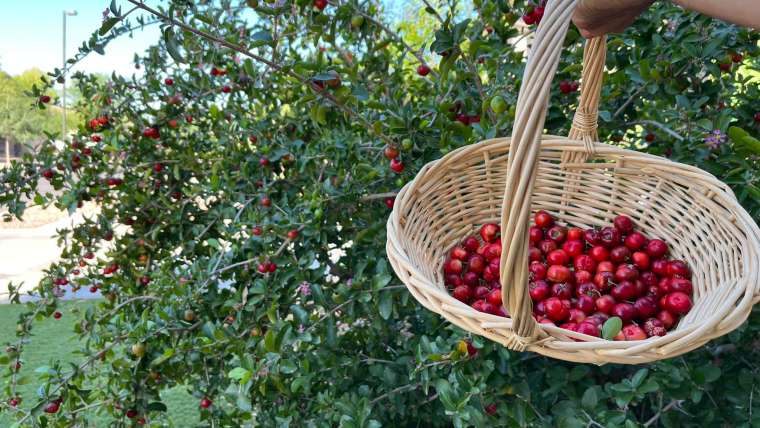
Growing starfruit in containers offers several benefits, making it a popular choice for gardeners with limited space. Container-grown starfruit trees allow for greater control over soil quality, drainage, and moisture levels, which are essential for optimal growth and fruit production. This setup is ideal for those in colder climates, as containers can be moved indoors or to a greenhouse during winter months to protect the plant from frost.

In addition, container gardening makes starfruit trees more accessible for pruning and harvesting, promoting healthier growth and easier care. By controlling the tree’s size in a container, gardeners can cultivate starfruit even in small urban spaces, creating a manageable, exotic fruiting plant that enhances both landscape and nutrition.
How to Grow Star Fruit in Containers

Growing starfruit, also known as carambola, in containers is a rewarding project for gardeners looking to grow exotic fruits in limited spaces. With the right care, you can grow a productive starfruit tree on a patio, balcony, or even indoors, making it possible to enjoy fresh, homegrown starfruit in almost any climate.
1. Choosing the Right Starfruit Variety
- Best Varieties for Containers: Some starfruit varieties are better suited to container gardening due to their smaller size. Look for dwarf or semi-dwarf varieties such as ‘Dwarf Hawaiian’ or ‘Kari,’ which stay more compact and manageable in a pot.
- Plant Characteristics: Starfruit trees are generally slow-growing, which makes them an ideal choice for containers. They produce unique, star-shaped fruits with a sweet-tart flavor.
2. Selecting the Right Container
- Container Size: Start with a container that is at least 15–20 gallons (approximately 18–24 inches in diameter) to allow adequate room for root growth. Starfruit trees can grow several feet tall, so ensure the container provides enough stability to prevent tipping.
- Material: Choose a lightweight material, such as plastic or fiberglass, if you plan to move the container indoors during winter. Terracotta and ceramic containers are also good but can be heavy to move.
- Drainage: Ensure the container has drainage holes at the bottom to prevent waterlogging. Poor drainage can lead to root rot, which is particularly damaging to starfruit trees.
3. Soil Requirements
- Soil Mix: Use a well-draining, slightly acidic to neutral potting mix (pH of 5.5–7.0). A mix designed for citrus or tropical plants works well, as starfruit trees need good drainage but also enough organic matter to retain moisture.
- Improving Drainage: To enhance drainage, you can add perlite or coarse sand to the potting mix. Alternatively, consider a mix of potting soil, perlite, and peat moss for improved aeration and moisture retention.
4. Planting the Starfruit Tree
- Transplanting: Start by filling the container halfway with the potting mix. Place the tree in the center and fill around the root ball, ensuring the top of the root ball is just slightly below the rim of the container.
- Firming and Watering: Press the soil gently around the base and water thoroughly to eliminate any air pockets. Make sure the soil settles well around the roots, as starfruit trees need stable soil to establish strong roots.
5. Light and Temperature Requirements
- Sunlight: Starfruit trees need full sun to thrive and produce fruit. Place the container in a location that receives at least 6–8 hours of direct sunlight daily.
- Temperature: Starfruit trees are tropical and prefer warm temperatures. If you live in a colder climate, bring the container indoors or to a greenhouse when temperatures drop below 50°F (10°C). Indoors, place it near a bright window or use grow lights to supplement natural light.
6. Watering
- Frequency: Starfruit trees need consistently moist soil but should never be waterlogged. Check the soil’s moisture regularly, especially during hot weather, as containers dry out faster than ground soil.
- Watering Tips: Water deeply until water flows out of the drainage holes. Avoid letting the soil dry out completely, as this can stress the tree and reduce fruit production.
7. Fertilizing
- Type of Fertilizer: Use a balanced, slow-release fertilizer designed for fruit trees or a citrus-specific fertilizer high in potassium and low in nitrogen to encourage fruiting.
- Fertilizing Schedule: Feed the tree every 2–3 months during the growing season (spring through early fall). Reduce fertilization in winter, as growth will slow down, and the tree will require fewer nutrients.
8. Pruning and Shaping
- Encouraging Compact Growth: Prune the tree to maintain its size and shape, focusing on removing dead or weak branches and thinning out crowded areas to allow sunlight and air circulation.
- Fruit Production: Regular pruning also helps encourage more lateral growth, which is where fruit is likely to develop. Aim to keep the tree at a manageable height for easy harvesting and care.
9. Pollination and Fruit Development
- Self-Fruitful Varieties: Many starfruit varieties are self-pollinating, meaning they do not need another tree to produce fruit. However, having multiple trees can increase fruit production.
- Hand Pollination: If you are growing the tree indoors, consider hand-pollinating the flowers using a small paintbrush to transfer pollen between flowers, mimicking the role of insects in the pollination process.
10. Pest and Disease Management
- Common Pests: Starfruit trees may attract aphids, spider mites, and scale insects. Regularly inspect leaves for signs of infestation and treat with insecticidal soap if necessary.
- Preventing Disease: Good airflow, adequate spacing, and proper watering practices help prevent fungal diseases. Avoid overhead watering to reduce the risk of leaf spot and other fungal infections.
11. Harvesting Starfruit
- Harvest Time: Starfruit is typically ready to harvest when it turns golden-yellow and the ridges begin to brown slightly. For optimal flavor, let the fruit ripen fully on the tree.
- Storage: Starfruit can be stored at room temperature for a few days or refrigerated for up to two weeks.
12. Overwintering
- Protecting the Tree in Winter: In cooler climates, bring the container indoors or to a sheltered area before the first frost. Reduce watering slightly during winter to prevent root rot, as the tree’s growth slows and it requires less moisture.
- Indoor Care: Place the tree in a bright, cool location indoors and reduce fertilization until spring. If light is limited, use grow lights to maintain healthy growth.
Final Tips for Growing Starfruit in Containers
- Monitoring Soil and Root Health: Regularly check the container’s soil to ensure it is free of pests and diseases. Every 2–3 years, consider repotting the tree to refresh the soil and check for root-bound conditions.
- Enjoying Your Homegrown Starfruit: With proper care, your starfruit tree can produce delicious, juicy fruits year-round, even in a container. The satisfaction of growing your own exotic fruit at home, whether for eating fresh, juicing, or cooking, makes the effort truly worthwhile.

FAQ
Yes, star fruit trees can be grown in pots, especially dwarf varieties. Growing them in containers allows for easier management of climate, soil, and watering, making them suitable for indoor and small garden spaces.
Use a well-draining, slightly acidic potting mix rich in organic matter. You can create a mix by combining potting soil, sand, and compost to ensure proper drainage and nutrient availability.
Star fruit trees need full sunlight, ideally 6-8 hours daily. Place the pot in a bright spot or use a grow light if keeping it indoors.
Keep the soil consistently moist, but avoid waterlogging. Water thoroughly when the top inch of soil feels dry, ensuring excess water drains from the pot to prevent root rot.
Star fruit thrives in warm, tropical conditions. They prefer temperatures between 60-85°F (15-29°C). Protect the tree from temperatures below 50°F (10°C), as it is sensitive to cold.
Yes, with proper care, a potted star fruit tree can produce fruit indoors, though it may take longer. Providing sufficient light, warmth, and humidity will improve the chances of fruiting.
Prune lightly to maintain shape and encourage airflow within the canopy. Remove any dead or damaged branches and trim overly long branches to manage size.
A star fruit tree grown from seed may take 3-5 years to bear fruit, while grafted trees may produce within 1-2 years. Proper care and favorable conditions will encourage earlier fruiting.
Sign up to get our FREE weekly emails
Gardening guides, tips, & videos delivered right to your inbox!