
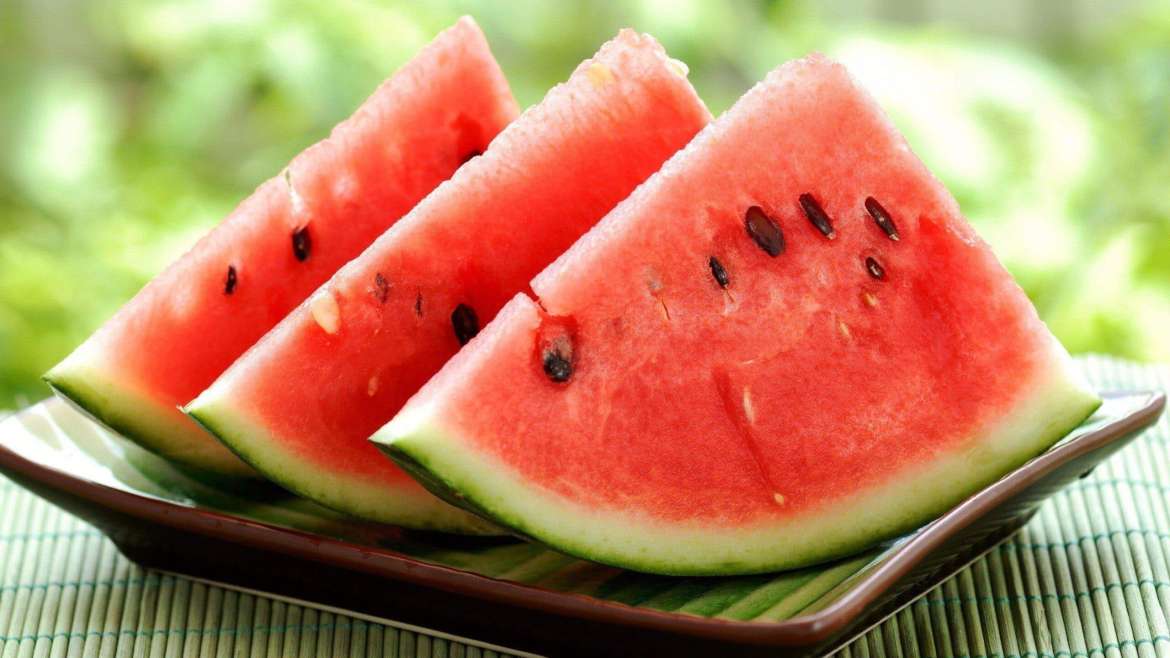
Growing watermelons is a big flex!
Watermelon. It’s a name that practically screams summer, and for good reason—this fruit is like a cool, juicy oasis on a scorching day. Imagine a sweet, crisp bite of melon that bursts with hydration and just the right touch of sugar, refreshing you to the core. No wonder it’s the ultimate BBQ sidekick, the fruit that gets passed around in slices at picnics.
Watermelons are a perfect balance of sweet and subtly savory, with that satisfying crunch that makes them an instant favorite at any gathering. The kicker? You don’t need to be a horticulturist to grow them. They thrive in the heat, spreading out wide with tendrils that reach for the sun like they’re on a mission to cool you off.
But don’t get cocky—while they love the heat, they’re picky about their soil and need plenty of space to sprawl. Try to grow them in a tight container and you’ll be left with a sad, underwhelming crop. Give them room to breathe, water them well, and let nature work its magic.
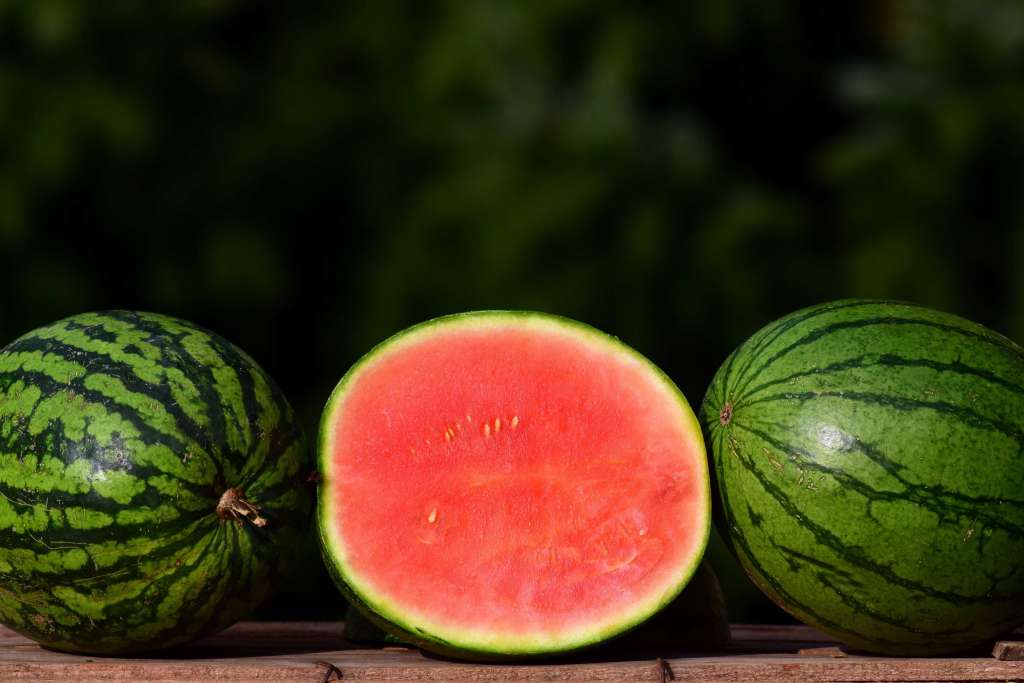
And the plant itself? Oh, it’s not just practical—it’s got a vibe. Lush, sprawling tendrils, large, bold leaves, and that unmistakable sweet scent drifting through the air as they grow. A garden’s version of an uninvited but charming guest.
These juicy, hydrating melons are not only delicious but also packed with essential vitamins and antioxidants, making them a healthy treat.
Whether sliced into wedges for a picnic, blended into a cooling beverage, or enjoyed in a fruit salad, watermelons bring a burst of flavor and a touch of summer to any occasion. Their high water content makes them perfect for staying hydrated on hot days, and their crisp texture provides a satisfying crunch with every bite.
How to Grow Watermelons
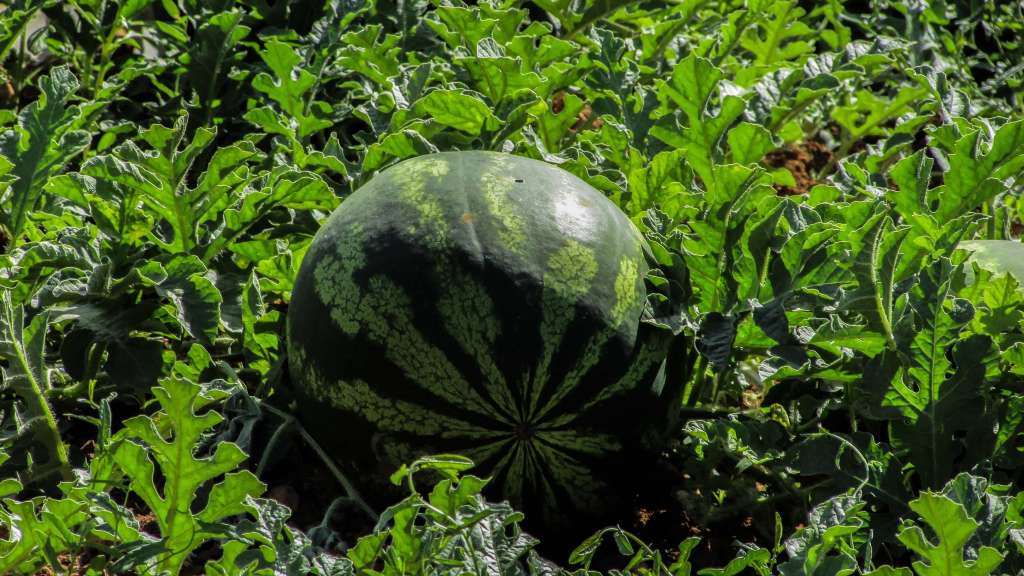
Planting, growing, and harvesting watermelon can be a rewarding process. Below is a detailed and comprehensive guide to help you through each step.
Planting Watermelon
Choosing the Right Variety
- Varieties: Popular varieties include Sugar Baby, Crimson Sweet, and Jubilee.
- Climate: Watermelons require warm temperatures (70-90°F or 21-32°C) and a long growing season (80-100 days).
Preparing the Soil
- Soil Type: Watermelons thrive in well-drained, sandy loam soil.
- pH Level: The ideal pH level is between 6.0 and 6.8.
- Amendments: Enrich the soil with organic matter like compost or aged manure.
Planting Seeds or Seedlings
- Timing: Plant seeds after the last frost date when the soil temperature is at least 70°F (21°C).
- Spacing: Space plants 3-5 feet apart in rows that are 6-8 feet apart. Plant 2-3 seeds per hole, thinning to the strongest seedling.
- Depth: Sow seeds 1 inch deep.
Growing Watermelons
Watering
- Frequency: Water regularly, providing 1-2 inches of water per week.
- Method: Use drip irrigation or water at the base to avoid wetting the leaves.
Fertilizing
- Initial Feeding: Use a balanced fertilizer (10-10-10) at planting.
- Continued Feeding: Once vines begin to run, switch to a low-nitrogen fertilizer (5-10-10) every 3-4 weeks.
Mulching and Weeding
- Mulch: Apply organic mulch to retain moisture and control weeds.
- Weeding: Hand-weed carefully to avoid disturbing the shallow roots.
Pollination
- Hand Pollination: If bees are scarce, use a small brush to transfer pollen from male to female flowers.
Harvesting Watermelon
Signs of Ripeness
- Tendrils: The tendrils near the fruit turn brown and dry.
- Color: The underside of the watermelon (the ground spot) turns creamy yellow.
- Sound: A ripe watermelon gives a hollow sound when tapped.
Harvesting
- Timing: Typically 80-100 days after planting.
- Method: Use a sharp knife or shears to cut the fruit from the vine, leaving about 2 inches of stem attached.
Watermelon Growing Zone
Watermelons thrive in warm climates and are typically grown in USDA Hardiness Zones 3-12. Below is a general guide to growing watermelons in different zones:
- Zones 3-4: These zones have the shortest growing seasons. To grow watermelons here, start seeds indoors 3-4 weeks before the last frost date and transplant them outdoors after the danger of frost has passed. Choose early-maturing varieties that require less time to ripen.
- Zones 5-6: These zones have moderate growing seasons. You can start seeds indoors or sow them directly into the garden after the last frost date. Watermelons should be planted in a sunny location with well-drained soil. Mulching can help retain soil moisture and control weeds.
- Zones 7-8: These zones have longer growing seasons. You can directly sow seeds into the garden after the last frost date. Ensure the soil temperature is at least 70°F (21°C) for optimal germination. Regular watering and fertilization will support healthy growth and fruit development.
- Zones 9-12: These zones have the longest growing seasons. Watermelons can be grown almost year-round, depending on the specific climate. Direct sowing works well in these zones, and you can often get multiple harvests in a single year. Adequate irrigation is crucial, especially during dry periods.
Additional Tips
- Pests and Diseases: Watch for pests like aphids, cucumber beetles, and diseases such as powdery mildew. Use appropriate pest control measures and fungicides as needed.
- Rotation: Rotate crops yearly to avoid soil-borne diseases.
Growing Watermelons FAQ
Plant watermelon seeds after the last frost date in your area, typically in late spring or early summer. The soil temperature should be at least 70°F (21°C) for seeds to germinate.
Watermelons prefer well-drained, sandy loam soil with a pH between 6.0 and 6.8. Adding organic matter like compost can improve soil quality and drainage.
Watermelon plants need plenty of space to spread out. Space the seeds or seedlings about 6 feet (1.8 meters) apart in rows that are 6-8 feet (1.8-2.4 meters) apart. Vining types need more room compared to bush varieties.
Signs of a ripe watermelon include a dull sound when tapped, a creamy yellow spot on the underside where it rested on the ground, and the tendril nearest the fruit turning brown and dry.
Yes, smaller watermelon varieties can be grown in large containers. Choose a container at least 18 inches in diameter with good drainage.
Popular watermelon varieties include ‘Sugar Baby,’ ‘Crimson Sweet,’ ‘Charleston Gray,’ and ‘Jubilee.’ Each variety has different characteristics in terms of size, sweetness, and growth requirements.
Sign up to get our FREE weekly emails
Gardening guides, tips, & videos delivered right to your inbox!


