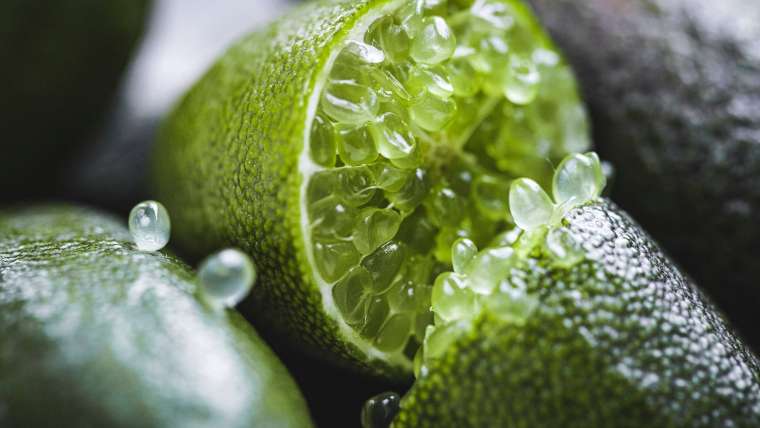
Figs. Strange little fruits, but oh, so worth it. If you’ve never had one, picture a sweet, honeyed burst of flavor wrapped in a soft skin that’s kind of like a secret party inside. It’s as if nature took everything amazing about a pear and a berry, then added a little magic dust. The best part? They grow like a dream in warm weather, turning your garden into an instant food paradise.
Figs are early bloomers. They get their start in the late spring, ripening up by the summer for the sweetest harvest. Some varieties will even fruit in their first year, which is a nice bonus for anyone who’s impatient (like me).
But—big but here—they’re picky about where they live. Figs are fantastic when planted directly in the ground. If you try to stuff them into a pot, they’ll just sigh and refuse to cooperate. They like their space, and they’ll reward you for it with a bounty of fruit that’ll have your taste buds dancing.
As for care, figs aren’t high-maintenance, but they like a little extra love in their early years—think good sun, steady watering, and a gentle nudge to grow strong. Once they’ve settled in, though, they’re pretty low-key and will handle the heat like pros.
And that tree? It’s a beauty. Broad, lush leaves that make you think of warm Mediterranean nights, and as a bonus, the fruits are packed with fiber and antioxidants—practically a snack that’s good for you. It’s like nature’s candy, only way better for your health.
Figs are definitely a delightful and ancient fruit known for their sweet, honey-like flavor and unique texture, featuring a soft, chewy flesh filled with tiny seeds. Available in various colors, including green, purple, and black, figs can be enjoyed both fresh and dried.
They are not only a delicious treat but also a nutritional powerhouse, rich in dietary fiber, vitamins A, K, and B, as well as minerals like potassium, magnesium, calcium, and iron.

These nutrients contribute to numerous health benefits, such as improved digestive health, heart health, and bone density.
Versatile in culinary uses, figs can be savored on their own, paired with cheese, or incorporated into both sweet and savory dishes, making them a cherished addition to any diet.
How to Grow Figs

Growing figs can be a rewarding endeavor, whether you have a large garden or just a small space. Below is a step-by-step guide to help you grow figs successfully.
Selecting the Right Fig Tree
- Varieties: Choose a fig variety suited to your climate. Common varieties include Brown Turkey, Celeste, and Black Mission
- Climate: Fig trees thrive in USDA hardiness zones 7-11. In cooler climates, consider growing figs in containers
Planting Fig Trees
- Timing: Plant fig trees in late winter or early spring while they are still dormant
- Location: Select a sunny spot that receives at least 6-8 hours of sunlight daily
- Soil: Figs prefer well-drained, loamy soil with a pH between 6.0 and 6.5. Amend soil with organic matter if necessary
- Planting Process:
- Dig a hole twice as wide and the same depth as the root ball
- Remove the fig tree from its container and gently loosen the roots
- Place the tree in the hole, ensuring the root ball is level with the soil surface
- Backfill the hole with soil, pressing down gently to eliminate air pockets
- Water thoroughly to settle the soil around the roots
Growing Fig Trees
- Watering: Keep the soil consistently moist, especially during the growing season. Deep waterings once a week are typically sufficient
- Mulching: Apply a layer of mulch around the base to retain moisture and suppress weed.
- Fertilizing: Feed fig trees with a balanced fertilizer in early spring and again in late summer. Avoid high-nitrogen fertilizers, as they can promote excessive foliage growth at the expense of fruit production
Pruning and Maintenance
- Pruning: Prune fig trees in late winter while they are dormant. Remove dead, diseased, or crossing branches to improve air circulation and sunlight penetration
- Training: Train young trees to develop a strong structure by selecting a central leader or multiple scaffold branches
- Pest and Disease Control: Monitor for common pests such as aphids, scale insects, and fig beetles. Use organic insecticides or neem oil as needed. Prevent diseases by ensuring proper spacing and air circulation
Harvesting Figs
- Timing: Figs are typically ready to harvest in late summer to early fall when they are fully colored and slightly soft to the touch
- Method: Gently twist or cut the fruit from the tree. Handle figs carefully to avoid bruising
Winter Care
- Cold Protection: In colder climates, protect fig trees by wrapping them in burlap or moving container-grown figs indoors during winter
- Mulching: Apply a thick layer of mulch around the base to insulate the roots from freezing temperatures
Growing Figs in Containers
- Container Selection: Use a large container with drainage holes
- Soil: Fill the container with a high-quality potting mix
- Watering and Fertilizing: Container-grown figs may need more frequent watering and regular feeding with a balanced fertilizer
Fig Growing Zone
Fig trees (Ficus carica) are relatively versatile and can be grown in various climates, but they thrive best in USDA Hardiness Zones 6-11. Here are some details about fig growing zones:
- Zone 6: Figs can be grown in Zone 6, but they may need protection during the winter. In these colder areas, it’s often best to plant fig trees against a south-facing wall or provide winter protection, such as wrapping the tree or using mulch to insulate the roots
- Zone 7: Figs grow well in Zone 7. While they are more cold-hardy, they may still benefit from some winter protection, especially if there is an unexpected cold snap
- Zone 8-9: These zones are ideal for growing figs. The mild winters and long, warm growing seasons allow fig trees to thrive and produce abundant fruit. Figs can be grown without any special winter protection in these zones
- Zone 10 and higher: In these warmer zones, figs can also be grown successfully, but they may require more water during the hotter parts of the year
When choosing a variety, consider factors such as cold-hardiness, fruit flavor, and the length of the growing season.
Some popular varieties include ‘Brown Turkey,’ ‘Celeste,’ and ‘Chicago Hardy,’ which are known for their adaptability to various climates.
Growing Figs FAQ
Fig trees typically produce fruit in the summer, with some varieties yielding two crops per year—an early crop in the late spring and a main crop in late summer or early fall. The timing can vary depending on the climate and variety.
Figs are ready to harvest when they are fully colored, slightly soft to the touch, and starting to droop on the tree. Ripe figs should be picked immediately as they do not continue to ripen once harvested.
Fig trees can be propagated through cuttings or layering. Cuttings taken in late winter or early spring can be rooted in soil or water. Air layering involves wounding a branch and encouraging it to form roots while still attached to the parent tree.
Fig trees thrive in regions with a Mediterranean climate, characterized by hot, dry summers and mild, wet winters. They are commonly found in Southern Europe, the Middle East, and parts of Western Asia, which are their native regions. Fig trees can also be successfully grown in other areas with similar climates, such as California, Texas, and other parts of the southwestern US.
Figs do not ripen significantly once they are picked. They need to be harvested at the peak of ripeness from the tree. A fig that is picked before it is fully ripe will not continue to ripen and will remain hard and less flavorful.
Figs generally grow relatively quickly, with a young fig tree capable of producing fruit within two to three years after planting. Under optimal conditions, fig trees can exhibit rapid growth, often adding 12 to 24 inches in height each year.
The best time to plant fig trees is in the early spring or late winter when the tree is dormant. This allows the roots to establish before the growing season begins. In warmer climates, figs can also be planted in the fall.
Yes, fig trees can be grown in containers, which is especially useful in colder climates where the tree can be moved indoors during winter. Use a large container with good drainage, and ensure the tree gets enough sunlight and regular watering.
Sign up to get our FREE weekly emails
Gardening guides, tips, & videos delivered right to your inbox!