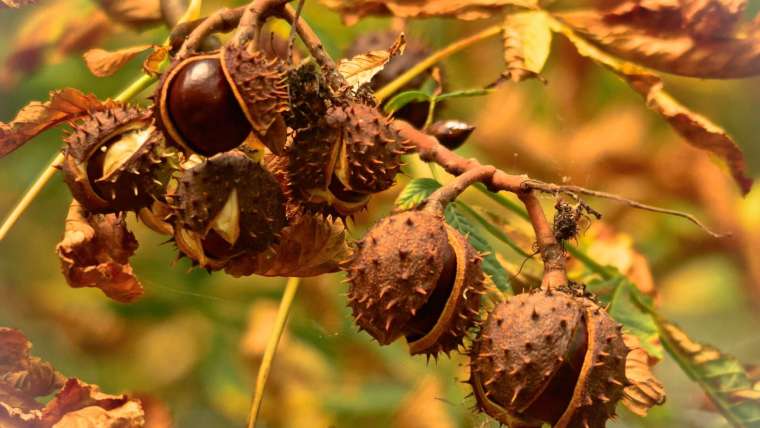
Walnuts. Weird name, incredible nut. If you’ve never had one, picture a crunchy, earthy bite wrapped in a smooth, buttery flavor, with just enough bitterness to keep things interesting. Walnuts aren’t just a snack; they’re a powerhouse of nutrients and a staple in any garden or kitchen.
They start as delicate little buds in the spring, reach full height with those impressive, sprawling branches, and by fall, they’ve dropped their treasures—those wrinkled beauties that are a joy to crack open. Plus, walnut trees can live for decades, so if you’re planting one, you’re in it for the long haul. And, just so you know, they’re not the kind of tree you toss into a tiny pot. Give them space to stretch out, and a bit of patience too.
They’re hardy, but like any diva, they like their space and a steady dose of care during those first few seasons. A little mulch, regular water, and a promise that they’ll be treated like royalty when the harvest comes around.
As for the tree itself? Majestic. Its branches stretch out wide, offering shade that’s perfect for lounging under, while those leaves add a deep, rich green to any yard. Plus, let’s not forget, walnut wood is one of the most sought-after in the world. So, even if you’re not into nuts, that tree’s got a lot to offer.
They are an excellent source of omega-3 fatty acids, which are beneficial for heart health, and they also contain antioxidants that can help protect the body against oxidative stress. Whether enjoyed as a snack, mixed into salads, or incorporated into baked goods, walnuts are a delicious way to boost your daily intake of essential nutrients.
How to Grow Walnuts

Growing walnuts involves several steps, from choosing the right variety and location to proper care and harvesting techniques. Below is a guide to help you get started growing walnuts.
Choosing the Right Walnut Variety:
- English (Persian) Walnut: Preferred for its mild flavor and easy-to-crack shells.
- Black Walnut: Has a stronger flavor and harder shell; often used in woodworking for its valuable timber.
Selecting the Site
- Soil: Well-drained, deep, and fertile soils are ideal. Walnuts prefer a pH of 6.0 to 7.5.
- Sunlight: Full sun exposure (at least 6 hours of direct sunlight daily) is necessary.
- Space: Ensure adequate spacing; mature walnut trees can grow 50-75 feet tall with a spread of 50 feet or more.
Planting Walnuts
- Timing: Plant bare-root trees in late winter to early spring when they are dormant.
- Planting Depth: The hole should be wide and deep enough to accommodate the root system. Plant the tree so that the root collar is at soil level.
- Spacing: Space trees about 40-60 feet apart to allow room for growth.
Care and Maintenance
- Watering: Young trees need regular watering to establish roots, especially during dry periods. Mature trees are drought-tolerant but benefit from occasional deep watering.
- Fertilizing: Add some compost in early spring. Avoid over-fertilizing, which can harm the tree.
- Pruning: Prune in late winter to remove dead or damaged branches and shape the tree. Avoid heavy pruning, as it can stress the tree.
- Mulching: Apply mulch around the base to retain moisture and reduce weed competition.
Dealing with Pests and Diseases
- Common Pests: Walnut husk fly, codling moth, and aphids can affect walnuts.
- Diseases: Walnut blight, canker, and root rot are common diseases.
- Prevention: Use integrated pest management (IPM) practices, such as monitoring, biological controls, and applying appropriate pesticides only when necessary.
Harvesting Walnuts
- Timing: Walnuts are typically ready for harvest in late summer to early fall when the hulls split open and the nuts begin to fall from the tree.
- Harvest Method: Shake the tree or use a long pole to dislodge the nuts. Gather them from the ground as soon as possible to prevent mold and pest damage.
- Drying: After harvesting, remove the hulls and dry the nuts in a single layer in a well-ventilated area for 1-2 weeks. Proper drying is essential to prevent mold and ensure long-term storage.
Storage
- In-Shell: Store in-shell walnuts in a cool, dry place for up to a year.
- Shelled: Store shelled walnuts in an airtight container in the refrigerator for up to six months or in the freezer for up to a year.
Walnuts Growing Zone
Walnuts are typically grown in USDA hardiness zones 4 through 9, depending on the specific variety. Here’s a general breakdown:
- English Walnut (Juglans regia): Best suited for zones 5 through 9. These are the most commonly grown walnuts in commercial orchards.
- Black Walnut (Juglans nigra): Can be grown in zones 4 through 9. Black walnuts are often found in the wild and are also cultivated for their timber and nuts.
Growing Walnuts FAQ
The best time to plant walnut trees is in the late fall or early spring when the trees are dormant. This helps the trees establish roots before the growing season begins.
It typically takes about 5-7 years for a walnut tree to start producing nuts, though it can take up to 10 years for some varieties. The tree reaches full production potential around 20 years.
Walnuts are usually ready for harvest in the late summer to early fall. The nuts will start falling from the tree when they are ripe. You can also shake the branches to encourage the nuts to drop.
Yes, walnut trees can be grown from seeds, but it requires patience. Plant fresh seeds in the fall, as they need a cold period (stratification) to germinate. However, seedlings may not produce nuts identical to the parent tree.
While some walnut varieties are self-pollinating, planting more than one tree can increase yield due to cross-pollination. Ensure the trees are compatible for the best results.
Walnuts are the edible seeds of the trees in the genus Juglans. These trees are native to regions stretching from the Balkans in southeastern Europe to the Himalayas and western China. The Persian walnut is the most commonly grown, with major production centers in the US, China, Iran, and Turkey.
Sign up to get our FREE weekly emails
Gardening guides, tips, & videos delivered right to your inbox!