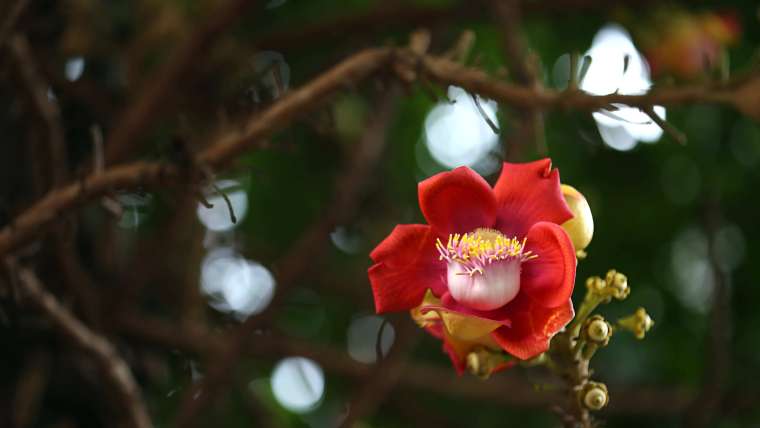
Chestnuts are a delicious and versatile nut that has been enjoyed for centuries, especially during the colder months.
Their sweet, slightly nutty flavor makes them a popular ingredient in various dishes, from savory stuffing and soups to sweet desserts like chestnut cake and mont blanc.
Roasting chestnuts over an open fire is a beloved tradition in many cultures, filling the air with a warm, inviting aroma.
Rich in nutrients, chestnuts are a healthy snack option, providing a good source of fiber, vitamins, and antioxidants while being lower in fat compared to other nuts.
Whether eaten on their own or incorporated into recipes, chestnuts bring a unique and comforting taste to any meal.
How to Grow Chestnuts
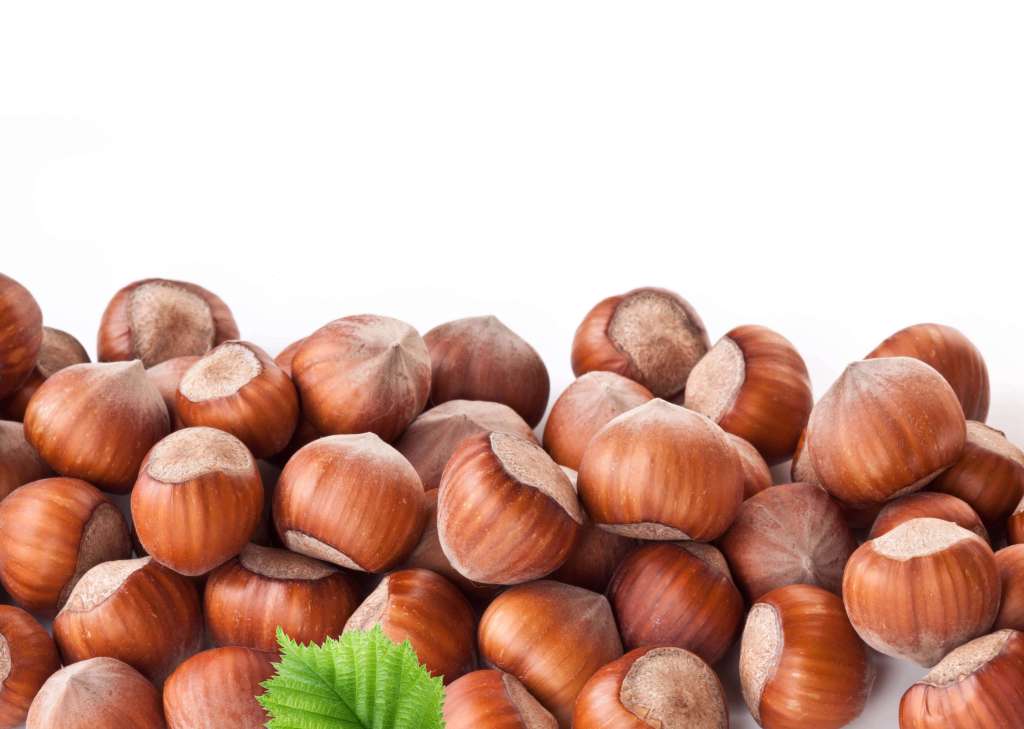
Growing chestnuts is a rewarding process that requires careful planning and attention to detail. Below is a step-by-step guide to help you through each stage.
Planting Chestnuts
Choosing the Right Variety:
- American Chestnut: Known for its sweet flavor but susceptible to blight.
- Chinese Chestnut: More resistant to blight and produces larger nuts.
- European Chestnut: Similar to American chestnut but more commonly grown in Europe.
Selecting a Site:
- Sunlight: Choose a site with full sun, at least 6-8 hours of direct sunlight per day.
- Soil: Well-drained, sandy loam soil with a pH between 4.5 and 6.5 is ideal.
- Spacing: Plant chestnuts 30-40 feet apart as they can grow into large trees.
Planting:
- Time: Plant chestnuts in the fall or early spring.
- Preparation: Dig a hole twice the size of the root ball and place the tree in it.
- Planting Depth: Ensure the root collar (where the roots meet the trunk) is level with the ground.
- Watering: Water the tree thoroughly after planting and keep the soil moist but not waterlogged.
Growing Chestnuts
Watering:
- Water young trees regularly, especially during dry periods. Mature trees are more drought-tolerant.
Fertilizing:
- Fertilize in early spring with a balanced fertilizer (e.g., 10-10-10). Avoid over-fertilizing, which can cause excessive growth and reduce nut production.
Pruning:
- Prune young trees to establish a strong central leader (main trunk). Remove dead, diseased, or crossing branches in late winter or early spring.
Pest and Disease Management:
- Monitor for chestnut blight, a fungal disease that can devastate trees. Use resistant varieties and remove infected branches.
- Watch for pests like chestnut weevils and control them with appropriate insecticides or traps.
Harvesting Chestnuts
Time to Harvest:
- Chestnuts are typically ready to harvest in late September to early November.
Signs of Ripeness:
- The burrs (spiky husks) will turn brown and start to open, revealing the nuts inside.
- The nuts will fall naturally from the tree, or you can shake the branches to encourage them to drop.
Harvesting:
- Gather the fallen nuts daily to prevent pests from getting to them.
- Wear gloves to handle the spiky burrs, and remove the nuts from the burrs by hand or by stepping on them gently to open them.
Curing:
- After harvesting, spread the chestnuts in a single layer in a cool, dry place with good air circulation for a few days.
- Curing helps improve the flavor and extends the storage life of the nuts.
Storage:
- Store cured chestnuts in a cool, humid environment (e.g., a refrigerator) where they can last for several months.
- Alternatively, you can freeze chestnuts for longer storage.
Chestnuts Growing Zone
Chestnuts grow best in USDA Hardiness Zones 4 through 9, depending on the variety. These zones indicate the plant’s ability to withstand the minimum temperatures in a given area.
Additional Tips:
- Pollination: Chestnuts are not self-pollinating, so plant at least two trees for cross-pollination.
- Protection: Protect young trees from deer and rodents with fencing or tree guards.
- Mulching: Apply mulch around the base of the tree to retain moisture and control weeds, but keep it away from the trunk to prevent rot.
Growing Chestnuts FAQ
Plant chestnut trees at least 30 to 40 feet apart to allow enough space for their mature canopy. For orchards, spacing can be slightly closer, around 20 to 30 feet, depending on the variety.
Chestnut trees typically start producing nuts in 3 to 7 years if grown from seed. Grafted or container-grown trees can bear nuts within 2 to 4 years.
Yes, chestnut trees are not self-pollinating, so you will need at least two trees for cross-pollination. Plant different varieties that bloom at the same time for the best results.
Chestnuts are typically ready to harvest in late September to October. They fall naturally from the tree when ripe. Gather them daily to prevent them from being eaten by wildlife.
Soak the seeds in water for 24 hours. Stratify the seeds by placing them in a plastic bag with moist sand in the refrigerator for 2-3 months to simulate winter conditions. After stratification, plant the seeds about 1 inch deep in well-drained soil in a sunny location, keeping the soil consistently moist but not waterlogged.
Yes, deer do eat chestnuts. Chestnuts are highly palatable to deer, and they are often a favored food source when available.
Sign up to get our FREE weekly emails
Gardening guides, tips, & videos delivered right to your inbox!