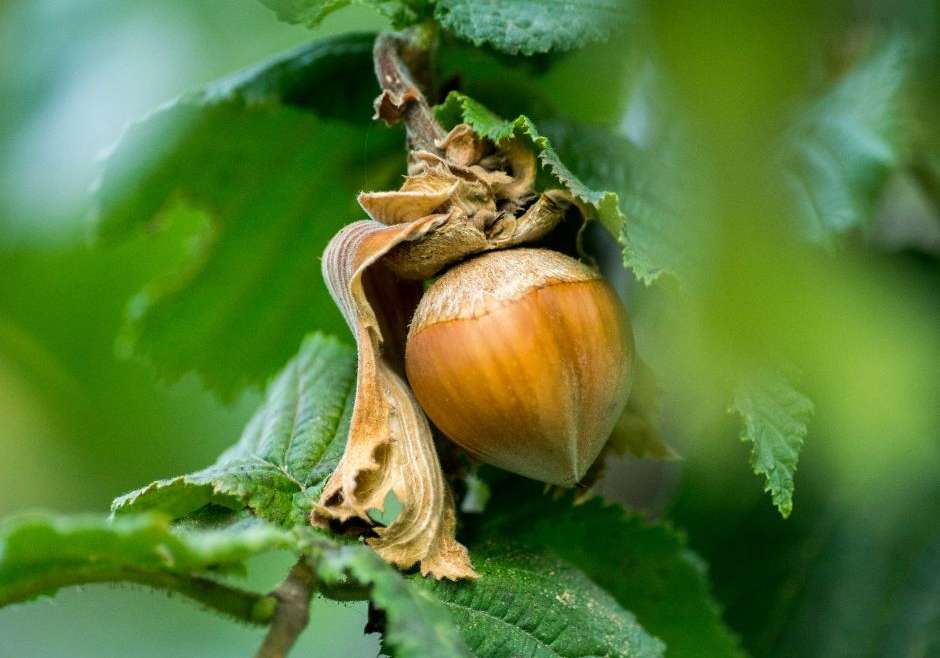
Imagine stepping into your backyard in early fall. The crisp air carries the faint, nutty aroma of ripe hazelnuts mingling with the fresh scent of herbs and blooming flowers. Beneath your feet, the soil feels rich and alive, teeming with beneficial life. Your hazelnut trees stand tall and healthy, surrounded by thriving companions that naturally support their growth and fend off pests. This isn’t just a dream—it’s the magic of companion planting, especially for hazelnut trees.
Whether you’re a seasoned gardener or a curious beginner, understanding companion planting can transform your hazelnut orchard or backyard grove into a flourishing ecosystem. Let’s dive deep into how to choose and cultivate the perfect plant partners for your hazelnut trees, making your garden both productive and vibrant.
What Is Companion Planting and Why Does It Matter for Hazelnuts?
Companion planting is the age-old practice of growing certain plants together because they benefit each other—whether by improving soil nutrients, deterring pests, attracting pollinators, or enhancing flavor and growth. For hazelnut trees, which are relatively low-maintenance but can be susceptible to pests like aphids or diseases like powdery mildew, companion planting is a natural way to boost resilience and productivity without relying heavily on chemicals.
Think of it as having a supportive garden community. The right companions act as bodyguards, nutrient recyclers, and even pollination assistants. By understanding these relationships, you not only help your hazelnuts thrive but also contribute to a more biodiverse and sustainable garden.
Best Companion Plants for Hazelnut Trees
1. Nitrogen-Fixing Legumes: Beans & Clover
Hazelnuts, like many trees, appreciate well-nourished soil. Legumes such as clover and bush beans have a special superpower—they fix atmospheric nitrogen into the soil, enriching it naturally. Planting clover as a ground cover under hazelnut trees provides a lush, green carpet that prevents soil erosion and keeps moisture locked in. Plus, it offers a delicate, sweet fragrance that attracts beneficial insects.
Tip: Sow white clover seeds in early spring or late summer for best results. Avoid heavy foot traffic to keep the clover thriving.
2. Herbs: Lavender, Rosemary & Thyme
Herbs are not only aromatic delights for the senses but excellent pest deterrents. The strong fragrances of lavender, rosemary, and thyme confuse and repel aphids and other common hazelnut pests. Lavender’s purple spikes and rosemary’s needle-like leaves also add stunning visual contrast to your hazelnut orchard.
Plant these herbs in small clusters around the base of your trees or along garden paths. Their drought tolerance means they won’t compete aggressively for water.
3. Marigolds: The Pest-Repelling Warriors
Bright, sunny marigolds are a gardener’s best friend when it comes to natural pest control. Their scent repels nematodes and various insects harmful to hazelnuts. Plus, marigolds attract pollinators such as bees, which aid in the pollination process of hazelnut flowers.
For a burst of cheerful color and pest protection, interplant marigolds near young hazelnut trees.
4. Comfrey: The Dynamic Nutrient Accumulator
Comfrey is a powerhouse perennial that mines deep soil nutrients like potassium and calcium, bringing them closer to the surface. Its large, hairy leaves create a mulch-like cover that feeds the soil as they decompose, improving texture and moisture retention—perfect for nurturing young hazelnut roots.
Plant comfrey a few feet away from the trunk to avoid root competition, and chop the leaves regularly to use as nutrient-rich mulch.
How to Plan Your Companion Planting Layout for Hazelnuts
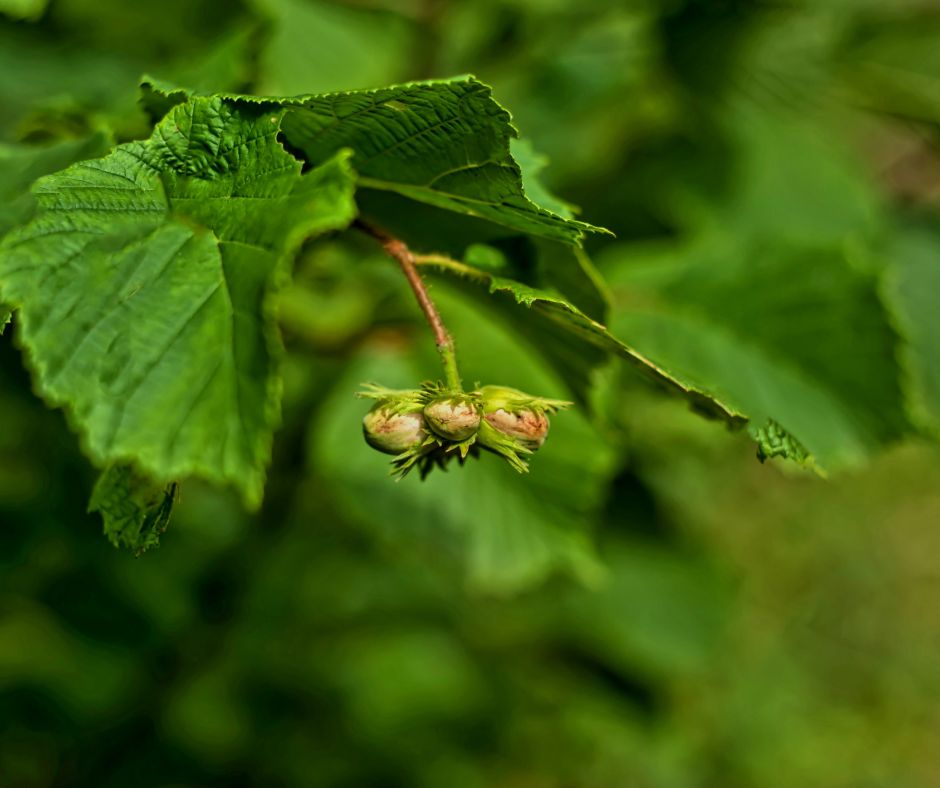
When planting companions, consider the mature size of your hazelnut trees—typically 12-20 feet tall with a similar spread—and their root zone. Here’s a simple layout plan to get started:
- Understory layer: Plant nitrogen-fixing clover or low-growing beans directly beneath the tree canopy to enrich soil and reduce weeds.
- Perimeter layer: Arrange herbs like rosemary and thyme around the drip line of your trees. This forms a fragrant and pest-deterring border.
- Flower borders: Add marigolds in sunny spots nearby to attract beneficial insects.
- Nutrient accumulators: Place comfrey in patches slightly away from the tree base to maximize its soil-improving benefits without root interference.
Practical Tips for Success & Common Mistakes to Avoid
- Avoid invasive plants: Some vigorous growers like mint can take over quickly and compete with your hazelnut trees. Use containers or barriers if you want to include them.
- Mulch wisely: Use organic mulch such as straw or wood chips around the tree base but keep it a few inches away from the trunk to prevent rot.
- Water companion plants: While hazelnuts tolerate some drought, many companion plants thrive with consistent moisture. Water accordingly to maintain a healthy balance.
- Observe and adapt: Gardens are living ecosystems. Monitor how your plants interact throughout the seasons and adjust as needed.
Real-Life Example: A Thriving Hazelnut Garden
One dedicated gardener in Oregon shared her experience: by planting clover under her hazelnuts and interspersing lavender and marigolds along her rows, she noticed fewer aphids and a remarkable increase in nut yield after two seasons. She attributes this to the natural pest balance and improved soil fertility thanks to the companions. The fragrant garden also became a favorite haven for hummingbirds and bees, adding life and color to her harvest.
Conclusion: Grow a Happier Hazelnut Garden Today!
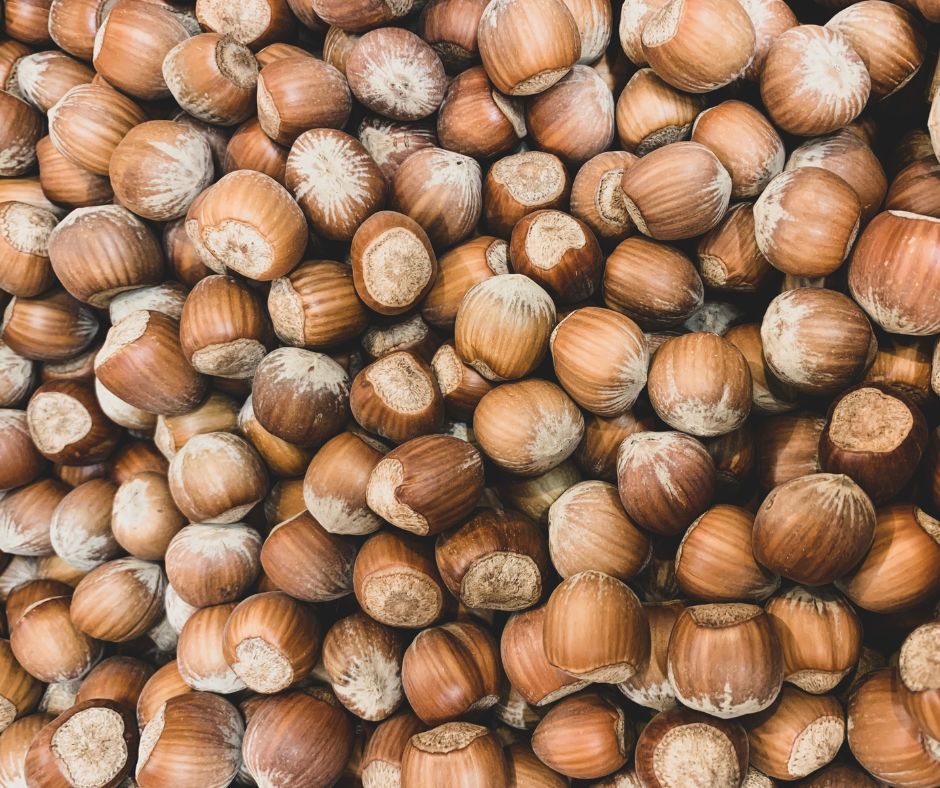
Companion planting isn’t just a gardening technique—it’s a way to build a lively, balanced ecosystem around your hazelnut trees that nurtures them from root to leaf. By selecting the right partners, you’ll see healthier trees, better harvests, and enjoy a garden bursting with life and fragrance.
I’d love to hear about your own experiences with hazelnuts or companion planting! Drop a comment below or sign up for our newsletter to get more expert tips delivered straight to your inbox. Happy planting!
Sign up to get our FREE weekly emails
Gardening guides, tips, & videos delivered right to your inbox!