

Growing valerian in pots offers several advantages. It allows for greater control over growing conditions, such as soil quality, drainage, and sun exposure, which is particularly beneficial for this plant, as it thrives in well-drained, slightly alkaline soil and full sun to partial shade. Pots also provide flexibility, allowing you to move the plant to a more suitable location depending on the weather, such as bringing it indoors during harsh winters or relocating it to a sunnier spot.
Additionally, container gardening reduces the risk of soil-borne pests and diseases while making it easier to manage watering and fertilization. This method also helps in limiting the spread of Valerian, as it can become invasive in garden beds, making pot cultivation an excellent solution for maintaining control over its growth.
Growing Valerian in a Pot
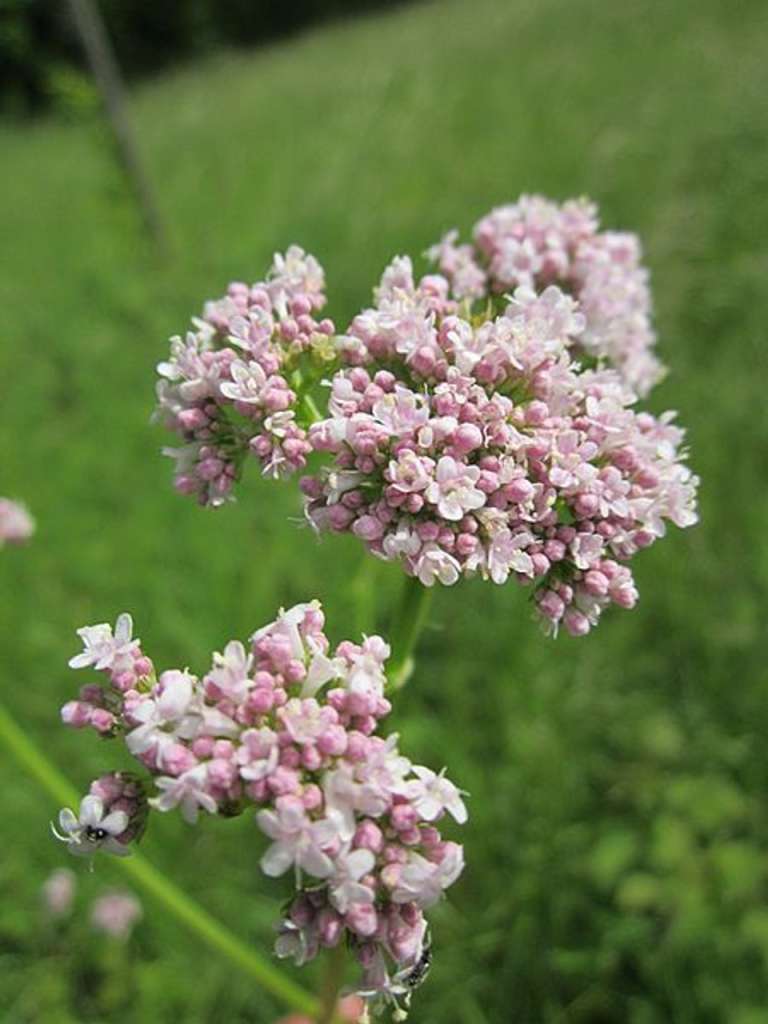
Valerian (Valeriana officinalis) is a perennial herb known for its fragrant flowers and medicinal properties. Often used in herbal remedies for anxiety, insomnia, and stress relief, Valerian is a relatively easy plant to grow in pots. Whether you’re cultivating Valerian for its beneficial roots or its charming flowers, this guide will walk you through the process of growing Valerian in containers.
1. Choosing the Right Pot
To grow valerian in pots successfully, it’s important to select the right type of container.
- Size: Choose a pot that is at least 12–18 inches (30–45 cm) deep and wide. Valerian has a deep root system and will thrive in a spacious pot.
- Material: Opt for pots made of terracotta, ceramic, or plastic. Terracotta is porous and allows for better air circulation but can dry out more quickly. Plastic pots retain moisture better, but be sure they have drainage holes.
- Drainage: Make sure your pot has adequate drainage holes to prevent waterlogging, which can cause root rot.
2. Preparing the Soil
Valerian prefers well-drained, rich soil. It grows best in slightly alkaline to neutral soil, but it can tolerate a variety of soil types as long as it drains well.
- Soil Mix: Use a high-quality, well-draining potting mix. A mixture of one part perlite or sand to two parts of good-quality potting soil works well. You can also add compost to enrich the soil.
- pH Level: Aim for a soil pH between 6.0 and 7.5, which is ideal for valerian.
3. Planting Valerian in Pots
Now that your pot and soil are ready, it’s time to plant your valerian.
- Seeds or Transplants: You can grow valerian from seeds, cuttings, or young plants. If using seeds, start them indoors about 6–8 weeks before the last frost. Transplants are a quicker option if you want an established plant right away.
- Sowing Seeds: If you choose to start from seed, sprinkle them on the surface of the soil, as they need light to germinate. Lightly press the seeds into the soil or cover them with a thin layer of soil, ensuring they are not buried too deep.
- Spacing: If you’re planting multiple valerian plants, space them about 12–18 inches (30–45 cm) apart to allow for adequate growth.
4. Providing the Right Conditions
Valerian is relatively hardy and can tolerate a range of growing conditions, but providing the right environment will ensure strong, healthy plants.
- Sunlight: Valerian prefers full sun to partial shade. Aim for at least 4–6 hours of sunlight per day. If you’re growing valerian indoors, place the pot near a sunny window or use grow lights.
- Temperature: Valerian thrives in temperatures between 60°F and 70°F (15°C–21°C). It is hardy to USDA zones 4–8 and can tolerate light frosts.
- Humidity: Valerian prefers moderate humidity. If you’re growing it indoors, you may need to increase humidity during dry winter months by placing the pot on a tray with pebbles and water or using a humidifier.
5. Watering and Fertilizing
Proper watering and feeding are key to growing healthy valerian in pots.
- Watering: Valerian needs regular watering, but the soil should be allowed to dry out slightly between waterings. Water the plant deeply, ensuring that the water drains through the bottom of the pot. Avoid letting the plant sit in standing water.
- Fertilizing: While valerian is not particularly demanding when it comes to nutrients, it will benefit from periodic feeding. Use a balanced, slow-release fertilizer in the spring. Avoid over-fertilizing, as this can lead to lush foliage growth at the expense of root development.
6. Pruning and Maintenance
Pruning valerian helps keep the plant healthy and encourages a bushy, attractive growth habit.
- Deadheading: To encourage more blooms and prevent the plant from becoming too leggy, remove spent flowers after they fade. This is also a good time to check for any diseased or damaged foliage and trim it off.
- Cutting Back: After flowering, you can cut back the stems to promote fresh growth. Valerian can sometimes grow tall and leggy, so cutting it back after the bloom season can help maintain a tidy shape.
7. Pests and Diseases
Valerian is generally pest-resistant, but there are a few common issues to watch out for.
- Pests: Aphids, spider mites, and slugs may occasionally infest valerian. To control aphids and spider mites, rinse the plant with water or use an insecticidal soap. Slugs can be deterred by placing a ring of diatomaceous earth around the base of the plant or using slug traps.
- Diseases: Root rot is the most common issue for valerian grown in pots, typically caused by overwatering or poor drainage. Ensure the pot has drainage holes and let the soil dry between waterings. Powdery mildew can sometimes appear on the leaves in humid conditions; if this happens, remove infected leaves and improve air circulation around the plant.
8. Harvesting Valerian
If you’re growing valerian for its medicinal properties, the roots are the most valuable part of the plant.
- Harvesting Roots: Valerian roots are typically harvested in the fall of their second or third growing season, once the plant has matured. Carefully dig up the roots, being mindful not to damage them. Wash them thoroughly and dry them in a well-ventilated area.
- Harvesting Flowers and Leaves: The flowers can be cut and dried for use in teas or tinctures. The leaves can also be harvested, although they are less commonly used.
9. Winter Care
If you live in a region with cold winters, valerian can be left in its pot and brought indoors for the winter. Alternatively, you can bring the pot inside during the coldest months to protect it from frost.
- Indoors: Keep the plant in a cool, bright location, and water sparingly until it resumes growth in the spring.
- Outdoors: If you plan to leave the plant outside, ensure that it’s hardy to your zone and that the pot is well-drained to prevent root rot from excess moisture during winter months.
10. Troubleshooting Common Issues
- Yellow Leaves: This can be a sign of overwatering, poor drainage, or a nutrient imbalance. Adjust watering practices and ensure proper drainage.
- Stunted Growth: If your valerian is not growing as expected, it may be lacking in nutrients or light. Try moving it to a sunnier location or fertilizing it with a balanced feed.
- Leggy Growth: If your valerian becomes tall and spindly, it may not be getting enough light. Move it to a brighter spot or provide supplemental lighting indoors.
FAQs
Yes, valerian can be successfully grown in pots. It thrives in containers as long as the pot is large enough to allow its root system to spread and it receives adequate sunlight and water.
Valerian requires full sun to thrive, so place the pot in a sunny spot where it can get at least 6 hours of direct sunlight per day. If growing indoors, a south-facing window is a good option.
Valerian likes consistently moist soil but does not tolerate waterlogged conditions. Water the plant when the top inch of soil feels dry. Ensure that the pot has good drainage so excess water can escape, preventing root rot.
Cut back the plant after flowering to maintain its shape and prevent it from becoming too leggy. Remove dead or damaged leaves to encourage new growth. Pruning also helps keep the plant manageable in a pot.
Yes, Valerian can be grown indoors, but it requires plenty of light. A bright windowsill or under grow lights can support its growth indoors. Keep in mind that Valerian may not flower as prolifically indoors as it would in a garden with full sun.
Valerian can be propagated from seeds or cuttings. To grow from seeds, sow them in the spring in a seed tray or small pots and keep the soil moist until they germinate. Alternatively, take stem cuttings in late spring and root them in moist soil.
Sign up to get our FREE weekly emails
Gardening guides, tips, & videos delivered right to your inbox!


