

Swiss Chard. Sounds like something you’d find at a fancy dinner, right? But trust me, it’s the kind of leafy green that’s not only easy on the eyes, it’s also a powerhouse in the kitchen. With its vibrant rainbow stems and dark, nutrient-packed leaves, Swiss chard is like the cooler, more stylish cousin of spinach. It’s tender, earthy, and can be sautéed, thrown in a salad, or used as a wrap for your favorite fillings. Healthy? Absolutely.
Swiss chard grows best in cool weather, but unlike those fussy veggies that need a perfect climate to thrive, it’s a little more chill. You’ll want to plant it in early spring or fall, but it’s one of those hardy plants that keeps producing well after your summer crops have tapped out. And here’s the kicker: it just keeps giving. The leaves will keep growing back, so you’ll have fresh greens to enjoy all season long.
As for care? It’s pretty low-maintenance. Just make sure it gets enough sun (but not too much—it’s not a sun worshiper), and water it regularly to keep the soil nice and moist. In return, it’ll reward you with leaves so tender they practically melt in your mouth.
And don’t forget about those stems. You can sauté them or use them in soups—because why waste such a colorful part of the plant? The whole thing’s good for you, and it’s a garden win every time.
How to Grow Swiss Chard
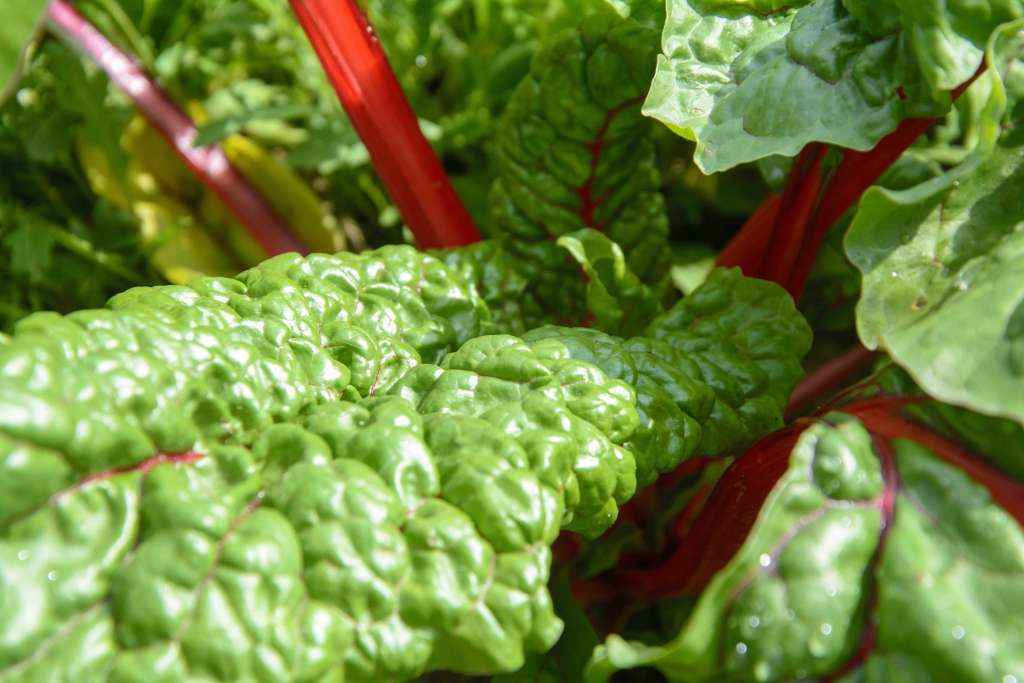
Growing Swiss chard is a rewarding process that can provide a steady supply of nutritious greens throughout the growing season. Below is a step-by-step guide.
Planting Swiss Chard
- Choose a Location: Swiss chard prefers full sun but can tolerate partial shade, especially in hot climates. Ensure the soil is well-drained and rich in organic matter.
- Soil Preparation: Work compost or aged manure into the soil to improve fertility. The ideal soil pH for Swiss chard is between 6.0 and 7.0.
- Sowing Seeds:
- Direct sow seeds outdoors 2-3 weeks before the last frost date for your area.
- Plant seeds about 1/2 inch deep and 12 inches apart in rows, with rows spaced 18 inches apart.
- You can also start seeds indoors 3-4 weeks before the last frost and transplant seedlings outside when they are a few inches tall.
- Watering: Keep the soil consistently moist until seeds germinate, which usually takes 7-14 days.
Growing Swiss Chard
- Thinning: Once seedlings are a few inches tall, thin them to about 6-12 inches apart. You can use the thinned plants in salads.
- Watering: Water regularly to keep the soil evenly moist, especially during dry spells. Swiss chard has shallow roots, so avoid letting the soil dry out completely.
- Mulching: Apply a layer of mulch around the plants to help retain moisture and suppress weeds.
- Fertilizing: Swiss chard is a heavy feeder. Apply a balanced fertilizer (such as 10-10-10) every 4-6 weeks during the growing season.
Harvesting Swiss Chard
- When to Harvest:
- Swiss chard can be harvested as soon as the leaves are large enough to eat, typically about 4-6 weeks after planting.
- You can harvest individual outer leaves, allowing the inner leaves to continue growing, or cut the entire plant about 2 inches above the ground, and it will regrow.
- How to Harvest:
- Use a sharp knife or garden scissors to cut the leaves from the plant.
- Regularly harvesting the outer leaves will encourage continuous growth.
- Storing: Swiss chard can be stored in the refrigerator for up to a week. For longer storage, blanch and freeze the leaves.
Pests and Diseases
- Common Pests: Look out for aphids, leaf miners, and slugs. Use organic pest control methods like neem oil or insecticidal soap if necessary.
- Diseases: Swiss chard is relatively disease-resistant, but it can occasionally suffer from fungal issues like leaf spots or downy mildew. Ensure proper spacing and airflow to minimize these problems.
Swiss Chard Growing Zone
Swiss chard is a versatile leafy green that can be grown in a wide range of USDA hardiness zones, typically from zones 3 to 10.
It’s a cool-season vegetable that thrives in mild temperatures, but it can also tolerate some heat, especially if grown in partial shade during the hottest part of the day.
For optimal growth:
- Spring and Fall: Plant Swiss chard in early spring after the last frost, or in late summer for a fall harvest. It grows best when temperatures are between 50°F to 75°F (10°C to 24°C).
- Winter: In warmer climates (zones 8-10), it can be grown throughout the winter.
Swiss chard is relatively frost-tolerant and can handle light frosts, making it a great choice for extending the growing season.
Tips for Success
- Succession Planting: To enjoy Swiss chard all season long, plant seeds every 2-3 weeks.
- Overwintering: In mild climates, Swiss chard can survive the winter and produce early spring greens.
Growing Swiss Chard FAQ
Swiss chard can be planted in early spring, a few weeks before the last frost date, or in late summer for a fall harvest. It can tolerate light frost, so it’s a versatile crop for cooler climates.
Plant seeds about ½ inch deep and 2-4 inches apart in well-draining soil. Rows should be spaced about 12-18 inches apart. Thin seedlings to about 8-12 inches apart once they are a few inches tall.
You can start harvesting Swiss chard when the leaves are about 6-8 inches long. Cut the outer leaves first, leaving the inner leaves to continue growing. Swiss chard is a “cut-and-come-again” crop, meaning it will keep producing leaves after each harvest.
Yes, Swiss chard can be grown in containers. Choose a container at least 12 inches deep, with good drainage. Water regularly and ensure the plants get enough sunlight.
In mild climates, Swiss chard can be grown year-round. In colder regions, you can extend the growing season by using cold frames or row covers to protect the plants from frost.
Swiss chard can be used raw in salads, sautéed, steamed, or added to soups and stews. Both the leaves and stems are edible, though the stems may take longer to cook.
Yes, Swiss chard can be eaten raw. The leaves have a slightly bitter taste, while the stalks are crunchy and slightly sweet. When eaten raw, Swiss chard is often used in salads, wraps, or as a garnish.
Swiss chard grows best in full sun but can tolerate partial shade, especially in hotter climates. It needs at least 4-6 hours of sunlight daily.
Sign up to get our FREE weekly emails
Gardening guides, tips, & videos delivered right to your inbox!


