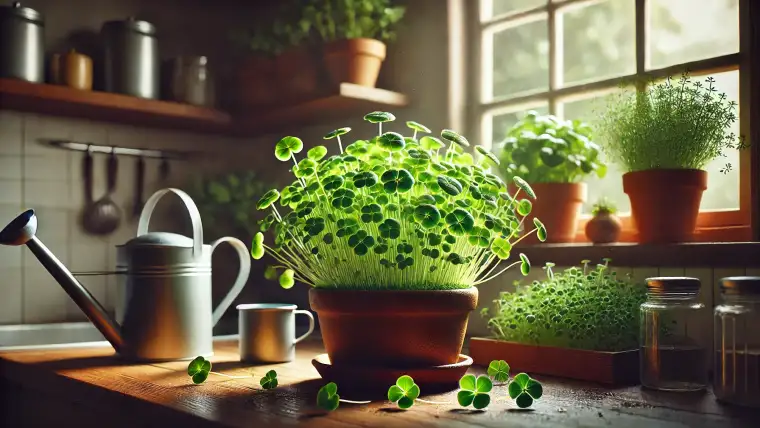
Growing Swiss chard in containers offers so many benefits, making it a great option for gardeners with limited space or urban settings.
Containers allow for better control over soil quality, drainage, and sunlight exposure, helping the plants thrive in various environments. Swiss chard grows well in shallow containers, making it ideal for patios, balconies, or small gardens.
Additionally, growing it in containers reduces the risk of soil-borne pests and diseases. This leafy green also produces vibrant, nutrient-rich leaves throughout the growing season, providing a continuous harvest in a small space.
How to Grow Swiss Chard in Pots
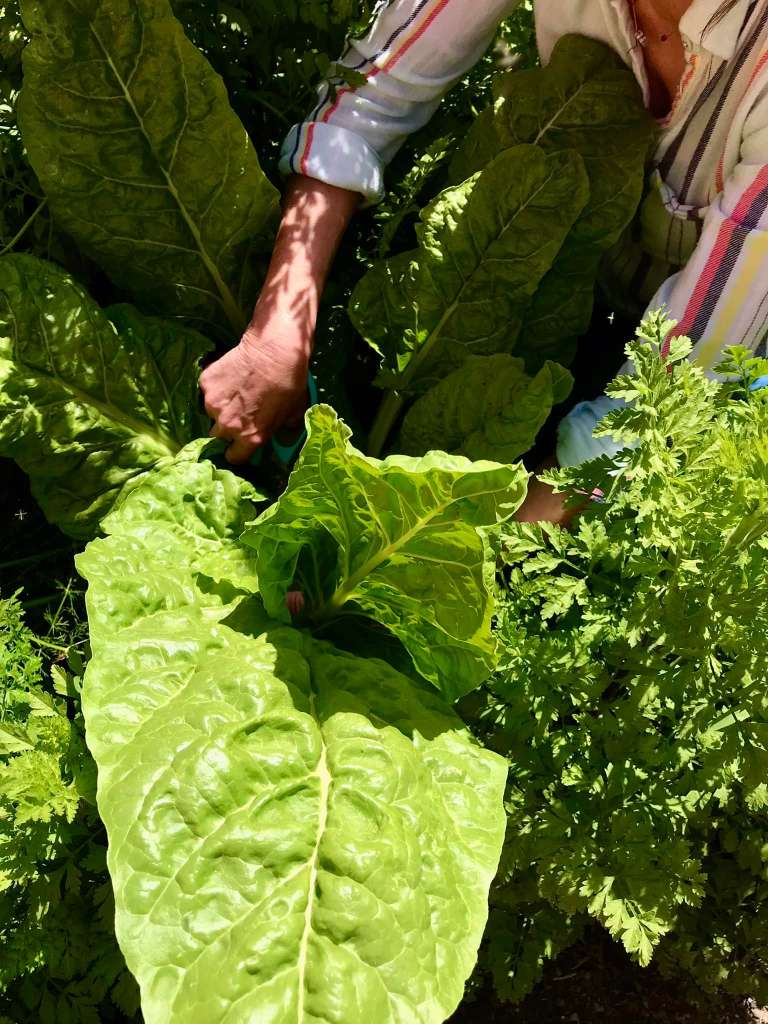
Swiss chard is easy to grow, tolerant of various conditions, and adds a splash of color to your garden with its vibrant stems. Here’s a step-by-step guide to successfully growing Swiss chard in containers.
1. Choosing the Right Container
Swiss chard has a relatively deep root system, so it needs a container with enough depth for healthy root growth.
Aim for a container that is at least 12 inches (30 cm) deep and wide enough to accommodate the number of plants you wish to grow. A container with good drainage holes is essential to prevent waterlogging.
2. Soil Preparation
Swiss chard prefers rich, well-draining soil. Use a high-quality potting mix that contains organic matter such as compost or worm castings.
Avoid using garden soil, as it may compact too much in containers, leading to poor drainage. Swiss chard prefers a pH of 6.0 to 7.0, so you may need to add lime if your potting mix is too acidic.
Tip: Mix in some slow-release granular fertilizer when filling the container, or plan to feed your plants regularly with a balanced fertilizer throughout the growing season.
3. Planting Swiss Chard
You can start Swiss chard from seeds or transplants.
- From Seeds: Sow seeds 1/2 inch (1.25 cm) deep and space them about 4-6 inches (10-15 cm) apart. If planting multiple seeds in one container, allow about 10-12 inches (25-30 cm) between rows. Keep the soil moist until the seeds germinate, which usually takes about 7-14 days.
- From Transplants: If using seedlings, plant them at the same depth as they were in their original pots, spacing them 6-8 inches (15-20 cm) apart.
Tip: You can grow multiple plants in a large container or just one or two plants in smaller pots for a continuous harvest.
4. Watering
Swiss chard needs consistent moisture, especially in containers where the soil dries out faster. Water the plants thoroughly whenever the top inch of soil feels dry to the touch.
However, avoid overwatering as Swiss chard does not tolerate soggy soil.
Tip: Mulching with a light layer of organic matter like straw or compost can help retain moisture in the container.
5. Sunlight and Position
Swiss chard thrives in full sun, which means 6-8 hours of direct sunlight per day. However, it can also tolerate partial shade, especially in hotter climates.
Position the container in a sunny spot, but consider giving the plants some afternoon shade if the weather is very hot.
6. Fertilizing
Container plants need regular feeding as nutrients are washed out of the soil more quickly than in-ground plants.
Apply a balanced liquid fertilizer (such as 10-10-10) every 3-4 weeks during the growing season, or use an organic fertilizer like compost tea or fish emulsion.
Tip: If your plants start to look pale or stunted, it might be a sign they need more nutrients.
7. Thinning and Pruning
If you’ve sown seeds, you may need to thin the seedlings once they’ve grown their first true leaves to prevent overcrowding. You can either snip the extra seedlings at the soil level or gently transplant them to another container.
As your Swiss chard grows, regularly remove any damaged or yellowing leaves to keep the plants healthy and prevent disease.
8. Pests and Diseases
Swiss chard is generally a hardy plant but can occasionally attract pests such as aphids, slugs, or leaf miners.
Inspect your plants regularly, and use organic insecticidal soap or neem oil to treat pest problems. Slugs can be handpicked or deterred with barriers like diatomaceous earth.
Fungal diseases like powdery mildew can occur if air circulation is poor or if the leaves stay wet for too long. To prevent this, water at the base of the plants and avoid overhead watering.
9. Harvesting Swiss Chard
Swiss chard can be harvested as soon as the leaves are large enough to eat, usually around 4-6 weeks after planting.
You can either harvest the outer leaves individually (known as the ‘cut-and-come-again’ method) or cut the entire plant about 2 inches (5 cm) above the soil. The plant will regrow new leaves, giving you multiple harvests from the same plant.
Tip: The tender, young leaves can be used fresh in salads, while the larger leaves are excellent for cooking.
10. Companion Plants
Swiss chard grows well with a variety of other vegetables and herbs in containers. Consider planting it alongside carrots, onions, radishes, beans, or lettuce.
Avoid planting near plants that may compete for nutrients, like beets or spinach.
FAQ
One should keep the soil consistently moist but not waterlogged. Water when the top inch of soil feels dry. Containers can dry out faster than garden beds, so check the moisture regularly.
Swiss Chard matures in about 50-60 days, but you can begin harvesting the outer leaves as soon as they’re large enough to eat, usually within 4-5 weeks.
Yes, Swiss Chard is a ‘cut-and-come-again’ plant. Harvest the outer leaves, and the plant will continue to grow new leaves throughout the season.
Sign up to get our FREE weekly emails
Gardening guides, tips, & videos delivered right to your inbox!