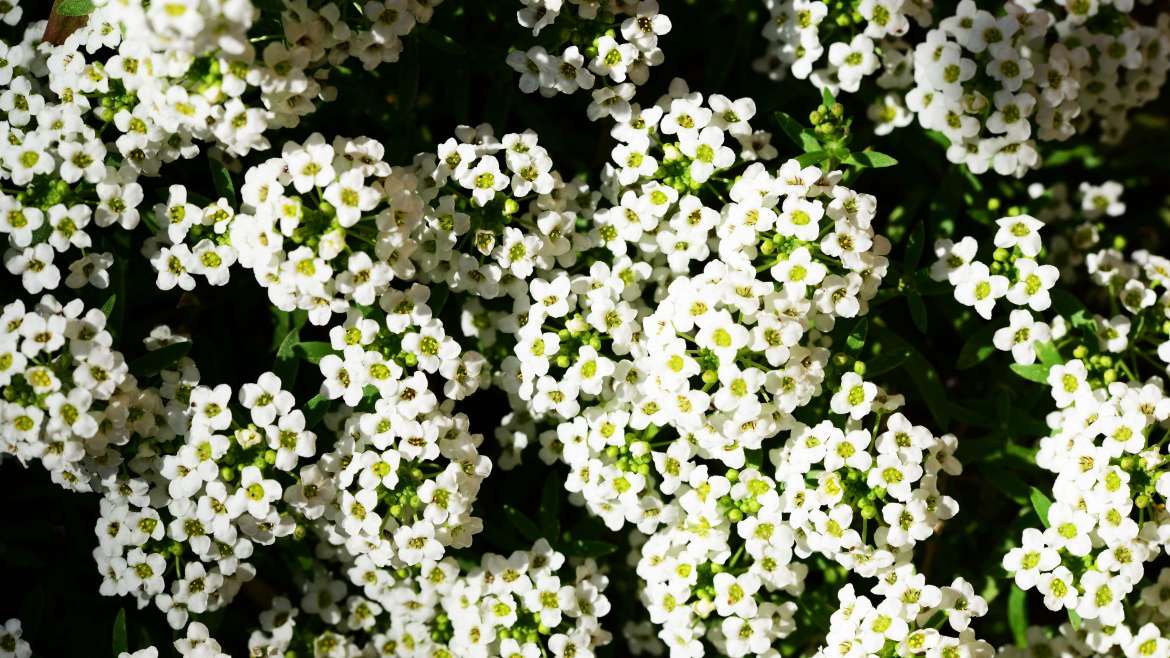
Growing sweet alyssum in pots offers a range of benefits, making it a popular choice for container gardening enthusiasts. This low-maintenance plant, known for its dense clusters of tiny white, pink, or purple flowers, adds beauty and a delicate fragrance to any patio, balcony, or indoor space.
Sweet alyssum thrives in pots, where it can be easily moved to optimize sun exposure and protect it during harsh weather. Container planting allows for better control over soil quality and drainage, crucial for the plant’s root health.
In addition, sweet alyssum attracts beneficial pollinators like bees and butterflies, enhancing your garden’s ecosystem. Known for its cascading growth, it creates a lovely “spiller” effect in mixed container arrangements, making it ideal for both hanging baskets and small decorative pots.
Growing Sweet Alyssum in a Pot

Growing sweet alyssum in pots is a great way to enjoy this fragrant, low-growing annual, especially if you have limited space or want to bring some pollinator-attracting blooms to patios, balconies, or other container-friendly areas. Here we provide you with a complete guide on how to successfully grow sweet alyssum in pots:
1. Selecting the Right Container
- Size: Choose a pot that is at least 6-8 inches deep and wide, as alyssum has a shallow root system.
- Material: Terracotta, ceramic, or plastic pots work well. Ensure the pot has drainage holes to prevent waterlogged soil, which can lead to root rot.
2. Soil Preparation
- Type: Sweet alyssum thrives in well-draining, fertile soil. A standard potting mix with some added perlite or sand improves drainage.
- pH Level: Alyssum prefers slightly acidic to neutral soil, with a pH of 6.0-7.0.
- Additions: To boost growth, mix in a small amount of compost or slow-release balanced fertilizer.
3. Choosing the Right Variety
There are various types of sweet alyssum, each with different growth habits and colors:
- Compact Varieties: Ideal for pots as they stay bushy and compact (e.g., ‘Snow Princess’).
- Trailing Varieties: These will cascade over the edges of the pot and are great for hanging baskets (e.g., ‘Easter Bonnet’ or ‘Carpet of Snow’).
4. Planting Sweet Alyssum
- Seeds or Seedlings: You can start with seeds indoors 6-8 weeks before the last frost or purchase seedlings from a nursery.
- Direct Sowing: Sow seeds directly in the pot if temperatures are above 60°F (15°C). Lightly press seeds into the soil without covering them, as they need light to germinate.
- Spacing: If planting multiple plants, space them 4-6 inches apart to encourage airflow and prevent overcrowding.
5. Sunlight Requirements
- Light Exposure: Sweet alyssum grows best in full sun but can tolerate light shade, especially in hotter climates where partial shade in the afternoon helps prevent wilting.
- Rotation: Rotate the pot every few days if it’s only getting sunlight from one direction, encouraging even growth.
6. Watering
- Consistency: Keep the soil evenly moist, especially during hot weather. Avoid overwatering, as soggy soil can lead to root rot.
- Check Moisture: Stick your finger into the soil; if the top inch feels dry, it’s time to water.
- Bottom Watering: To avoid disturbing the roots, consider bottom watering by placing the pot in a tray of water for a few minutes, letting the soil absorb moisture.
7. Fertilizing
- Type: Use a balanced, water-soluble fertilizer (10-10-10) every 4-6 weeks during the growing season to promote healthy blooms.
- Alternative: You can also use a slow-release granular fertilizer mixed into the soil at planting to provide consistent nutrients.
8. Pruning and Deadheading
- Deadheading: Remove spent flowers regularly to encourage continuous blooming throughout the season.
- Pruning: Midway through the season, trim back leggy stems to promote bushier growth and rejuvenate the plant.
9. Temperature and Humidity
- Temperature: Alyssum thrives in temperatures between 60-75°F (15-24°C). While it can tolerate cooler weather, it might suffer in extreme heat, causing flowers to fade.
- Humidity: Alyssum can tolerate both dry and humid conditions, though too much humidity might increase the risk of fungal issues.
10. Pests and Diseases
- Common Pests: Aphids, whiteflies, and caterpillars might affect sweet alyssum. Inspect regularly, and use insecticidal soap if needed.
- Diseases: Overwatering can lead to root rot or powdery mildew. Good drainage and airflow help prevent these issues.
- Companion Plants: Pairing alyssum with herbs like basil or flowers like petunias can deter pests naturally.
11. Winter Care (for Perennial Varieties)
- Indoors: If you have a perennial variety, you can bring the pot indoors to a sunny window or greenhouse to protect it from frost.
- Mulch: In areas with mild winters, adding a layer of mulch can help protect the roots in colder weather.
Additional Tips
- Fragrance: Sweet alyssum’s delightful scent makes it ideal for placing near windows or doorways.
- Attract Pollinators: Bees and butterflies are naturally drawn to alyssum, making it a great plant for pollinator gardens.
- Self-Seeding: Alyssum can self-seed, so allow some flowers to drop their seeds for a potential new round of blooms next season!
FAQ
Sign up to get our FREE weekly emails
Gardening guides, tips, & videos delivered right to your inbox!