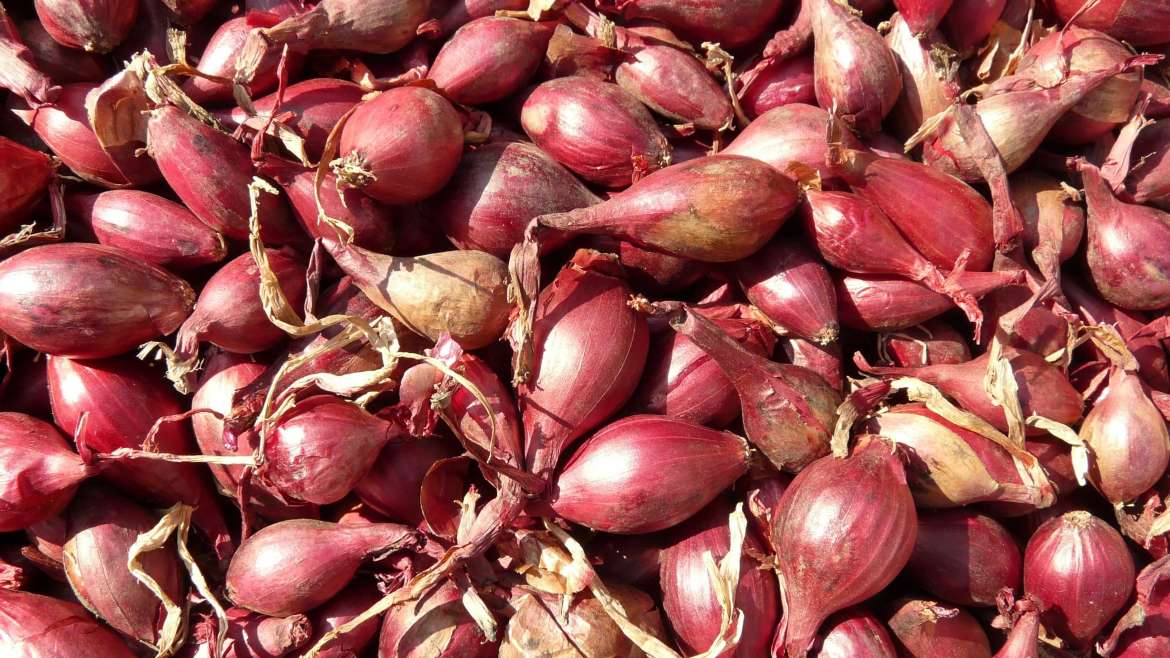
Shallots. They’re like the undercover superheroes of the onion world. Smaller, sweeter, and way less aggressive than their bigger cousins, they’re the quiet, refined flavor boost your cooking didn’t know it needed. Imagine if an onion and garlic had a baby, but it’s just a little more polite about it.
These little guys bring a subtle, mild flavor that makes anything from pasta to salads feel like a gourmet dish. They’re also packed with antioxidants, so you’re not just eating something delicious—you’re doing your body a favor.
Shallots thrive in well-drained soil, and unlike onions, they’re a bit fussy about the temperature—nothing too hot or too cold for these divas. But once they’ve settled in, they’re pretty low maintenance. Just water them, let them bask in the sun, and they’ll reward you with tasty bulbs after a few months.
As for the plant itself? Gorgeous. With its long, slender leaves and delicate purple blooms, it’s basically the leafy counterpart to that understated, effortlessly cool friend who just gets it. Perfect for adding a little sophistication to your garden, and your plate.
How to Grow Shallots
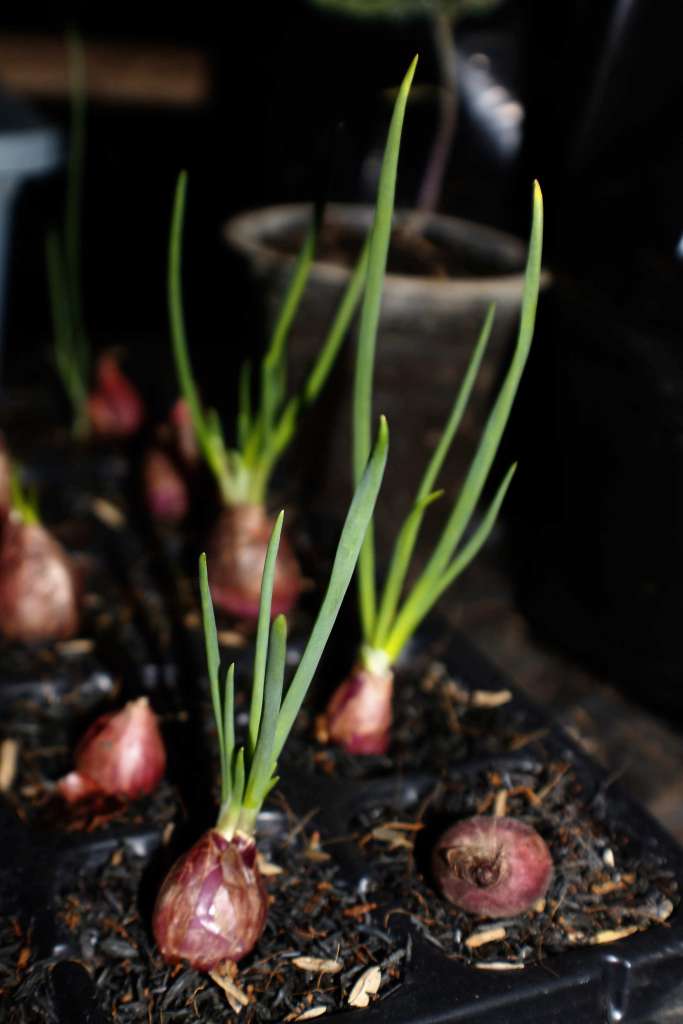
Growing shallots can be a rewarding gardening experience. Below a step-by-step guide to help you through the process.
Selecting the Right Shallots
- Variety: Choose a variety that suits your climate. Common types include ‘French Red’ and ‘Gray Griselle.’
- Quality: Select firm, disease-free bulbs for planting.
Preparing the Soil
- Location: Shallots prefer a sunny location with well-drained soil.
- Soil Preparation: Work in organic matter like compost to enrich the soil. Aim for a slightly acidic to neutral pH (6.0-7.0).
- Spacing: Space rows 12 inches apart, with 6-8 inches between each bulb.
Planting Shallots
- Timing: Plant shallots in the fall in warmer climates or early spring in cooler climates.
- Depth: Plant each bulb with the pointed end up, about 1-2 inches deep into the soil.
- Watering: Water immediately after planting to help establish the bulbs.
Growing Shallots
- Watering: Keep the soil consistently moist, but not waterlogged. Reduce watering as the bulbs mature.
- Fertilizing: Apply a balanced fertilizer during the growing season to encourage strong growth.
- Weeding: Keep the area weed-free to reduce competition for nutrients.
Harvesting Shallots
- When to Harvest: Shallots are typically ready for harvest when the tops start to yellow and fall over, usually in mid to late summer.
- How to Harvest: Gently lift the bulbs from the soil with a garden fork. Be careful not to bruise the bulbs.
- Curing: Lay the shallots out in a warm, dry place with good air circulation for about 2 weeks to cure. This helps to toughen their skins for storage.
Storing Shallots
- Storage Conditions: Store cured shallots in a cool, dry, and dark place. Mesh bags or ventilated boxes work well.
- Shelf Life: Properly stored, shallots can last for several months.
Tips
- Crop Rotation: Avoid planting shallots in the same location year after year to prevent disease buildup.
- Pest Control: Watch for common pests like onion maggots and take measures to control them if needed.
Shallots Growing Zone
Shallots are a hardy, cool-season vegetable that can be grown in a variety of USDA Hardiness Zones, typically ranging from Zones 3 to 10. Here’s a breakdown of the zones:
- Zones 3-4: Shallots can be planted in early spring as soon as the ground can be worked, and they will mature by mid-summer.
- Zones 5-7: Plant shallots in the fall or early spring. Fall planting allows for a longer growing season and larger bulbs.
- Zones 8-10: In warmer climates, shallots are best planted in the fall and harvested in late spring or early summer.
Growing Shallots FAQ
Shallots are a type of bulb vegetable closely related to onions, garlic, and leeks. They have a milder, sweeter flavor than onions and are often used in gourmet cooking.
Shallots are usually grown from sets (small bulbs). Plant each set about 1 inch deep with the pointed end facing up, spaced about 6-8 inches apart, in rows 12 inches apart.
Start the seeds indoors about 8-10 weeks before the last expected frost. Sow the seeds in a seed tray filled with well-draining seed starting mix, covering them lightly with soil. Keep the soil moist and place the tray in a warm, sunny location or under grow lights. Once the seedlings are 4-6 inches tall and the threat of frost has passed, transplant them outdoors, spacing the seedlings about 6 inches apart in rows that are 12 inches apart.
Shallots can be grown in pots, provided they have enough depth for the roots and proper drainage. Choose a container at least 6-8 inches deep and plant as you would in the ground.
Start by selecting shallot bulbs with visible roots at the bottom. Place the bulbs in a shallow container, with the root side facing down, and fill the container with just enough water to cover the roots, leaving the top part of the bulbs exposed to air. Change the water every few days. Within a few days, green shoots will begin to emerge from the tops of the bulbs.
Shallots are typically planted in the fall or early spring, depending on your climate. In warmer regions, planting in the fall allows them to establish roots before winter. In colder areas, early spring planting is recommended.
Shallots are ready to harvest when the tops begin to yellow and fall over, usually about 90-120 days after planting. The bulbs should be firm and fully developed.
Sign up to get our FREE weekly emails
Gardening guides, tips, & videos delivered right to your inbox!