
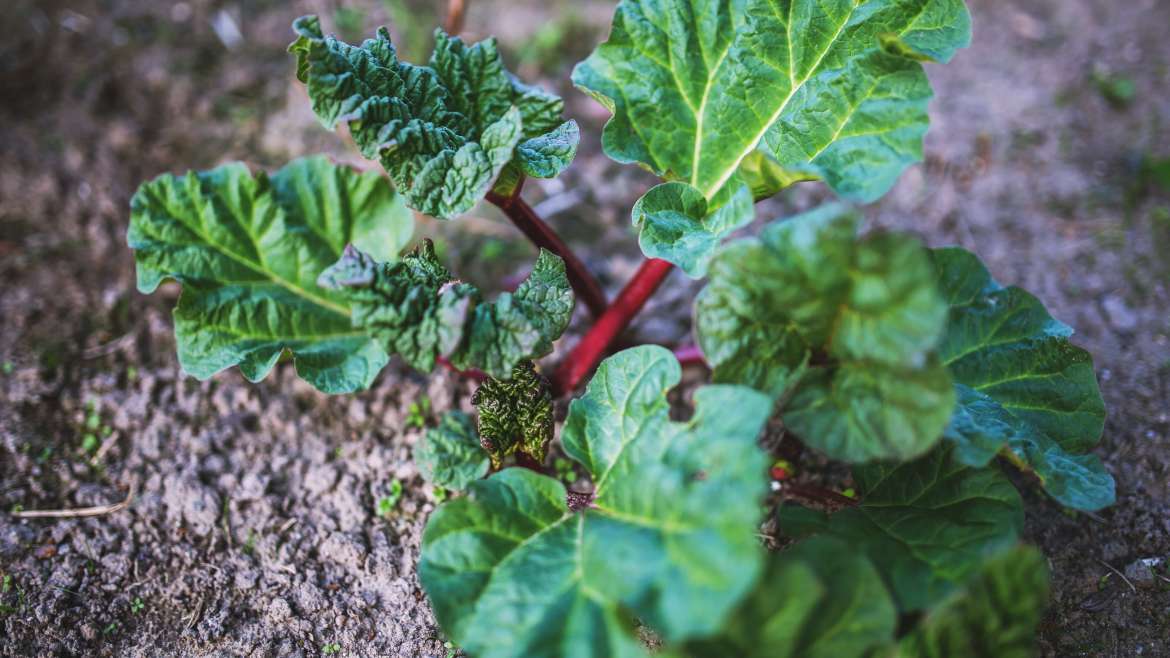
Rhubarb. Oddly sour, yet incredibly satisfying. If you’ve never tasted it, think of a celery stalk that decided to take a vacation to a lemon grove, got a little wild, and came back with a sharp, tart kick. It’s like nature’s perfect tangy bite, and it’s delicious in pies, jams, and even savory dishes if you’re feeling adventurous.
Rhubarb is a bit of a diva though—don’t eat the leaves. They’re toxic, so stick to the stalks! It thrives in cool climates, and while it may not flower like some other plants, it can give you a bumper crop every spring if you treat it right. It loves rich soil and a nice amount of water, but don’t overdo it. Rhubarb can be a bit of a moody plant, needing just the right conditions to thrive.
And don’t be fooled by its sour personality—once you bake it up with some sugar, it becomes pure magic. It’s like the best kind of surprise you didn’t know you needed in your garden. Just remember to give it room to stretch out, because rhubarb doesn’t do well when cramped.
How to Grow Rhubarb
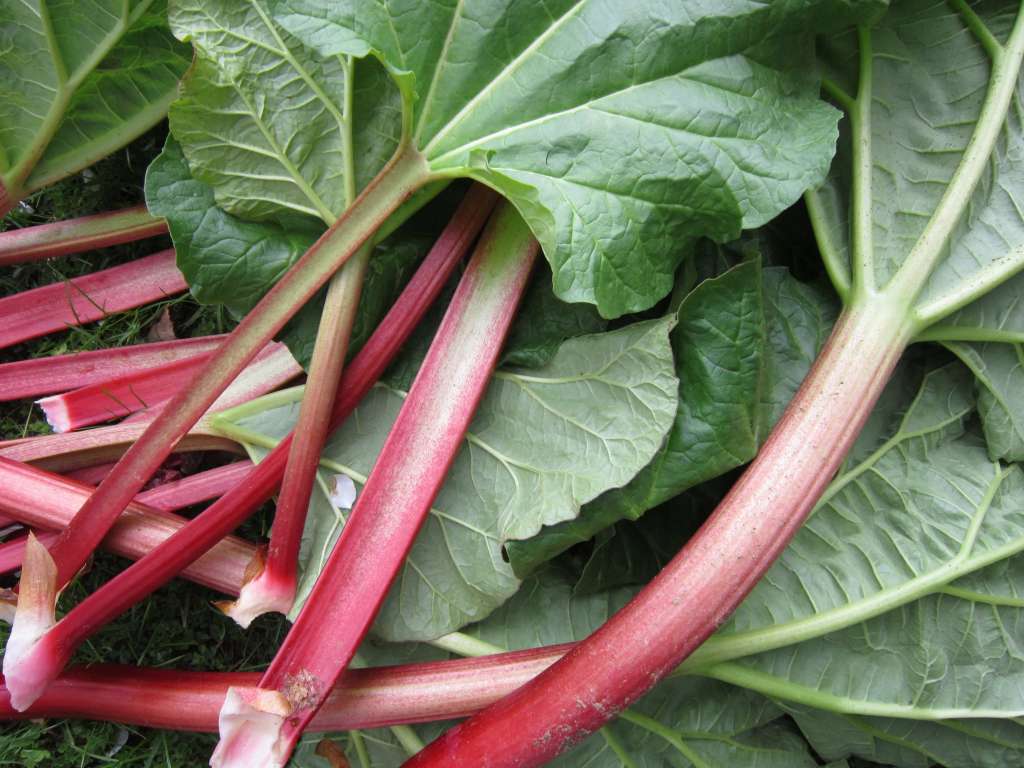
Growing rhubarb is relatively straightforward, but it does require some attention to detail. Below is a step-by-step guide.
Planting Rhubarb
- Choose the Right Location:
- Rhubarb prefers full sun but can tolerate partial shade.
- Ensure the soil is well-drained and rich in organic matter. A slightly acidic to neutral pH (6.0-7.0) is ideal.
- Prepare the Soil:
- Dig a hole about 1 foot deep and wide enough to accommodate the root system.
- Mix in plenty of compost or well-rotted manure to enrich the soil.
- Planting:
- Rhubarb is typically planted from crowns or divisions (not seeds) in early spring, as soon as the soil is workable.
- Place the crown in the hole with the buds facing upwards and cover with soil, leaving the top of the crown just below the surface (1-2 inches deep).
- Spacing:
- Space plants about 3-4 feet apart, as rhubarb plants can get quite large.
- Watering:
- Water thoroughly after planting. Keep the soil consistently moist, especially during dry periods.
Growing Rhubarb
- Watering:
- Rhubarb requires regular watering, especially in dry spells, to keep the soil moist but not waterlogged.
- Mulching:
- Apply mulch around the base of the plants to retain moisture, suppress weeds, and regulate soil temperature.
- Fertilizing:
- In early spring, apply a balanced fertilizer or top-dress with compost. Avoid over-fertilizing, as too much nitrogen can lead to excessive leaf growth at the expense of the stalks.
- Care:
- Remove any flower stalks as they appear to direct energy into the stalks rather than seed production.
- Keep the area around the plants weed-free.
- Pest and Disease Control:
- Rhubarb is relatively pest and disease-free, but watch for crown rot in poorly drained soils.
Harvesting Rhubarb
- When to Harvest:
- Wait until the second year after planting before harvesting to allow the plant to establish.
- Harvest rhubarb in late spring to early summer (April through June). The stalks should be at least 10-15 inches long.
- How to Harvest:
- Grasp the stalks near the base and pull upwards with a gentle twist to remove them. You can also cut the stalks at the base with a sharp knife.
- Leave at least a third of the stalks on the plant to allow it to continue growing.
- After Harvest:
- Stop harvesting by mid-summer to allow the plant to replenish its energy reserves for the next season.
- Discard the leaves as they are toxic due to oxalic acid. Only the stalks are edible.
End-of-Season Care
- Fall Care:
- After the first frost, remove any remaining stalks and leaves, and apply a thick layer of mulch to protect the crowns over winter.
- Dividing:
- Every 4-5 years, divide the crowns in early spring to rejuvenate the plants and prevent overcrowding.
Rhubarb Growing Zone
Rhubarb is a cold-hardy perennial vegetable that thrives best in USDA growing zones 3 through 9. It requires a period of winter dormancy with temperatures below 40°F (4°C) for at least 500 hours to break dormancy and promote healthy growth in the spring.
Here’s a breakdown of rhubarb’s growing requirements by zone:
- Zones 3-4: Ideal for rhubarb, as these areas experience cold winters that provide the necessary chilling period. Plant in early spring or late fall.
- Zones 5-6: Rhubarb grows well, but ensure it gets enough winter chill. Plant in early spring for best results.
- Zones 7-9: Rhubarb can be grown, but it may require some special care, such as planting in a cooler, shaded location to prevent it from becoming stressed during hot summers. Mulching around the base of the plant can help retain moisture and keep the roots cool.
Growing Rhubarb FAQ
The best time to plant rhubarb is in early spring, as soon as the ground can be worked. You can also plant it in the fall in regions with mild winters.
Plant rhubarb crowns about 2-3 feet apart, with the crown (top of the root) 1-2 inches below the soil surface. Water well after planting to help the crowns establish.
Rhubarb can be harvested in its second year after planting, once the stalks are 12-18 inches long. Harvest by gently pulling the stalks from the base, avoiding cutting. Leave some stalks to ensure the plant’s continued health.
No, rhubarb leaves are toxic and should not be consumed. They contain oxalic acid, which can be harmful if ingested. Always discard the leaves and only eat the stalks.
Rhubarb can be divided and transplanted every 5-10 years. In early spring or fall, dig up the entire plant and use a sharp knife to divide the crown into sections, each with at least one bud. Replant the divisions immediately.
Yes, rhubarb can be grown in large containers, at least 20 inches deep and wide. Use a high-quality potting mix and ensure the container has good drainage. Water and fertilize regularly.
With proper care, rhubarb plants can live for 10-15 years or more. They are a long-term investment in your garden, providing a steady harvest of delicious stalks for many years.
Soak the seeds in warm water for a few hours to improve germination, then plant them about 1/2 inch deep in seed trays. Once the seedlings have a few leaves and all danger of frost has passed, transplant them into a sunny, well-drained spot in the garden, spacing them about 3 feet apart. It will take about two years for the plants to mature enough for a full harvest, but once established, rhubarb will provide a bountiful crop for many years.
Sign up to get our FREE weekly emails
Gardening guides, tips, & videos delivered right to your inbox!


