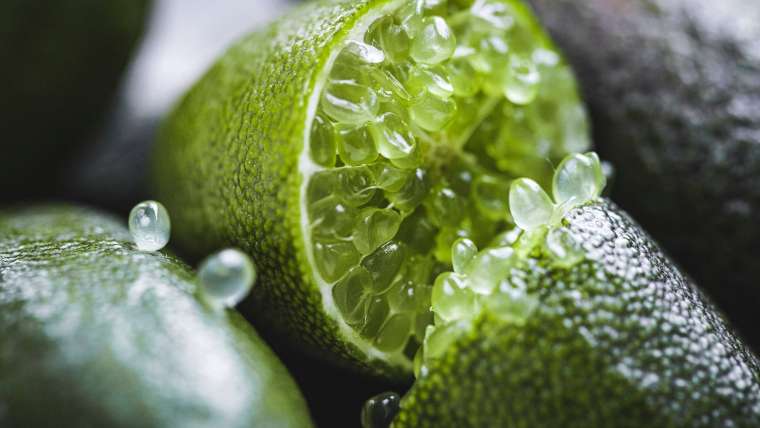
Pomegranates. They’ve got that perfect balance of sweet and tart, like nature’s little jewel box, packed with those tiny, glistening seeds that make you feel like you’re eating the best part of a fruit salad. If you’ve never had one, think of a fruit that’s like a mix between a juicy apple and a tangy cranberry, with a bit more drama. They’re not the easiest to eat, sure, but once you get the hang of cracking open that tough skin, it’s all worth it.
And did you know that pomegranates are incredibly nutritious? They’re packed with antioxidants, vitamins (like C, K, and several B vitamins), and fiber, making them a great addition to any healthy diet. Their anti-inflammatory properties and ability to support heart health are just some of the many reasons why they’re often called a superfood.
These guys love the heat, so they’re right at home in a warm, dry climate. If you’ve got a sunny spot in your garden, they’ll thank you with their beautiful, vibrant flowers in spring, and by late summer, you’ll be harvesting fruit. But be warned: it takes a little patience. Pomegranates like to take their time, so don’t expect instant gratification. You’ll need to wait a few years after planting before they start really producing.
And the tree? It’s a stunner. A little bit of elegance, a little bit of wild. The leathery leaves and those fiery flowers make it stand out, even when it’s not bearing fruit. Plus, the bark has a rugged charm, so it’s not just about the fruit—it’s about the vibe it brings to your garden. It’s like nature’s own ornament, but better.
The fruit is known for its round shape, thick reddish skin, and abundance of seeds encased in juicy, ruby-red arils. Fruit can be eaten directly, juiced or added to dishes. Growing pomegranates in your garden can be a fulfilling experience. Check out our comprehensive guide below.
How to Grow Pomegranates
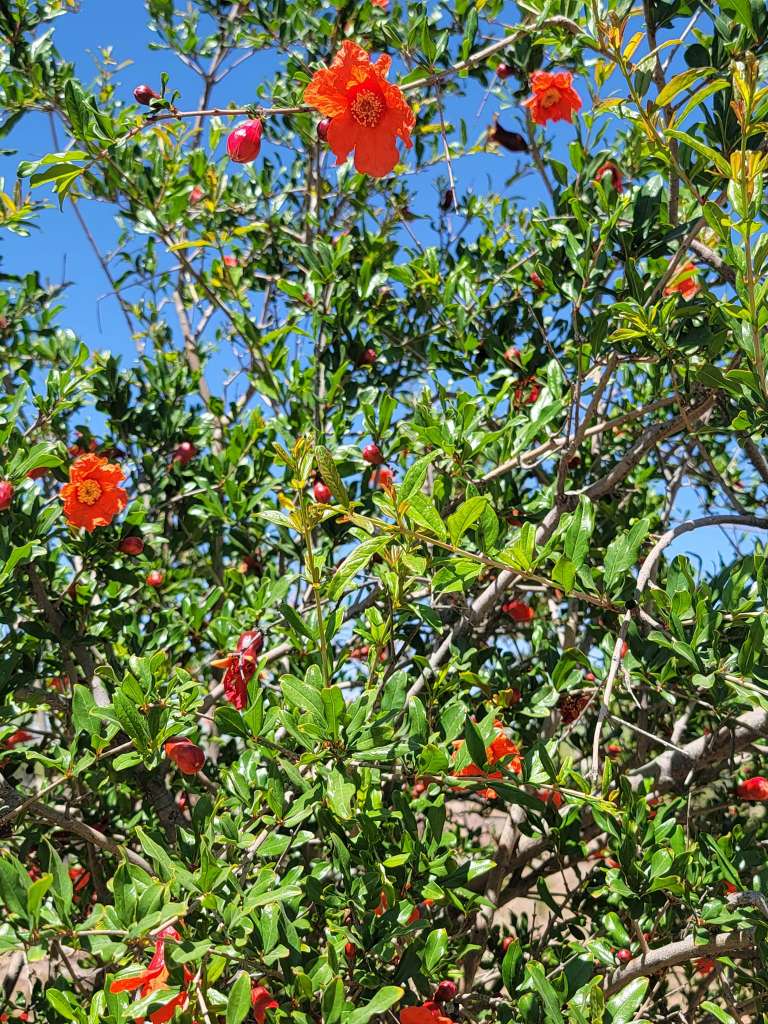
Pomegranates are versatile plants. They can be cultivated in various forms such as small trees, shrubs, or hedges, making them adaptable to different garden designs and landscapes. They can be espaliered, kept in large pots or even turned into a bonsai if you are feeling creative.
Their vibrant red fruits and glossy leaves add ornamental value, while their ability to thrive in diverse climates and soil conditions makes them a popular choice for both decorative and functional purposes.
Whether used for their fruit, aesthetic appeal, or as a natural barrier, pomegranates offer a range of benefits for gardeners and landscapers alike.
Planting Pomegranates
- Choose the Right Variety:
- Select a variety suited to your climate. Popular varieties include ‘Wonderful’, ‘Angel Red’, and ‘Eversweet’
- Select a Planting Site:
- Pomegranates need full sun, at least 6 hours of direct sunlight daily
- They prefer well-drained soil, but they are quite adaptable and can tolerate a range of soil types
- Planting:
- Timing: Plant pomegranates in spring or fall
- Spacing: Space trees about 12-15 feet apart
- Digging the Hole: Dig a hole as deep as the root ball and twice as wide
- Planting the Tree: Place the tree in the hole, backfill with soil, and water thoroughly
Growing Pomegranates
- Watering:
- Young trees need regular watering until established
- Mature trees are drought-tolerant but produce better fruit with regular watering
- Water deeply but infrequently, allowing the soil to dry out between watering
- Fertilizing:
- Fertilize in early spring before new growth begins
- Use a balanced fertilizer, or one high in potassium to promote flowering and fruiting
- Pruning:
- Prune in late winter while the tree is dormant
- Remove dead, damaged, or crossing branches
- Thin out interior branches to allow light and air to penetrate
- Mulching:
- Apply a layer of mulch around the base of the tree to retain moisture and regulate soil temperature
- Keep mulch away from the trunk to prevent rot
Caring for Pomegranates
- Pest and Disease Control:
- Monitor for pests like aphids, scale, and whiteflies. Use insecticidal soap or neem oil if necessary
- Common diseases include fungal issues like leaf spot and fruit rot. Ensure good air circulation and avoid overhead watering to prevent these
- Harvesting:
- Pomegranates typically ripen 6-7 months after flowering
- Harvest when the skin changes from green to red, pink, or yellow, depending on the variety
- Tap the fruit; it should produce a metallic sound when ripe
- Cut the fruit from the tree rather than pulling it to avoid damaging the branches
- Winter Care:
- In colder climates, protect young trees with frost cloth or burlap
- Mature trees can tolerate short periods of temperatures down to 10°F (-12°C)
Pomegranate Planting Zone
Pomegranates are adaptable plants that can thrive in various climates, but they do best in USDA hardiness zones 7 to 11.
Additional Tips
- Propagation: Pomegranates can be propagated from seeds, cuttings, or air layering. Cuttings are the most reliable method
- Container Growing: Pomegranates can be grown in large containers. Use a well-draining potting mix and ensure the container has adequate drainage
- Companion Plants: Plant pomegranates near other drought-tolerant plants such as lavender, rosemary, or sage to create a water-wise garden
By following these guidelines, you can enjoy a healthy and productive pomegranate tree in your garden, providing delicious and nutritious fruit for years to come.
Pomegranates Growing Questions & Answers
While pomegranates are drought-tolerant, they produce the best fruit with regular watering. Water deeply and infrequently, allowing the soil to dry out slightly between waterings. Young trees need more frequent watering until established.
The best time to plant pomegranate trees is in late winter or early spring, after the last frost. In warmer climates, they can also be planted in the fall.
Prune pomegranate trees in late winter or early spring before new growth starts. Remove dead, damaged, or crossing branches to maintain an open canopy.
Pomegranates usually start to bear fruit 2 to 3 years after planting. The fruit typically ripens in late summer to early fall, depending on the climate and variety.
Regularly inspect your tree for signs of pests like aphids, whiteflies, and scale. Use horticultural oil or insecticidal soap as needed. To prevent fungal diseases, avoid overhead watering and ensure good air circulation around the tree.
Yes, pomegranates can be grown in containers. Choose a large container with good drainage and use a high-quality potting mix. Container-grown pomegranates may need more frequent watering and fertilizing than those planted in the ground.
Sign up to get our FREE weekly emails
Gardening guides, tips, & videos delivered right to your inbox!