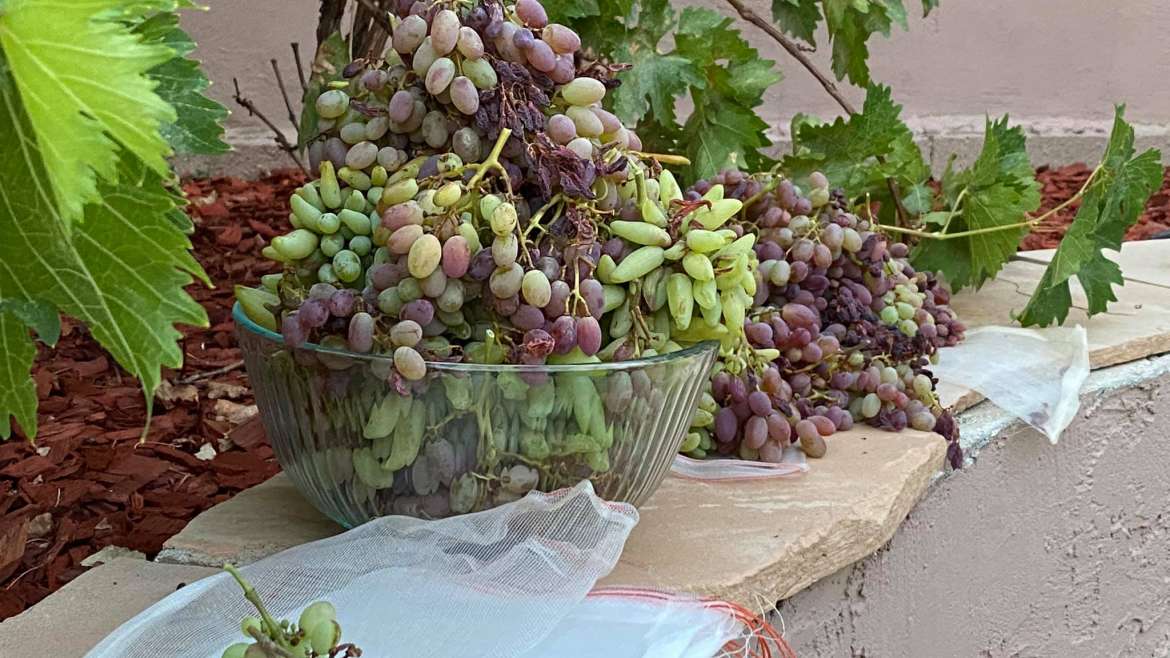
All about the companion planting for grapes!
Grapes are a timeless crop, treasured for their delicious fruit and versatility, whether you’re growing them for fresh eating, winemaking, or ornamental purposes.
However, maintaining a healthy grapevine can be challenging, especially when you’re trying to avoid pests, improve soil conditions, or boost overall plant growth.
One of the most effective ways to enhance the health and productivity of your grapevines is through companion planting.
In this guide, we’re shedding the light on the best and most recommended companion planting for grapes.
Why You Should Consider Companion Planting for Grapes
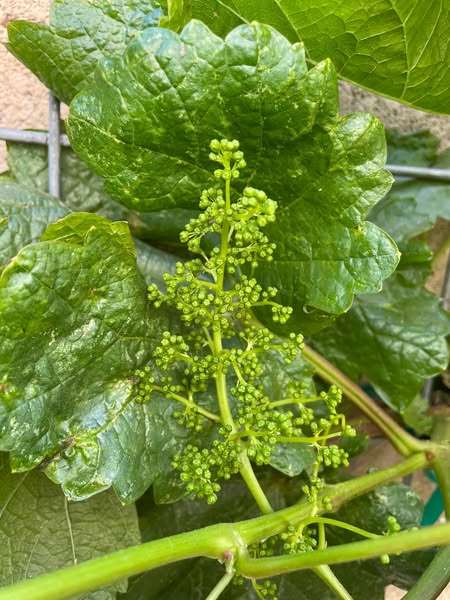
Companion planting is an agricultural technique where different plant species are grown together for mutual benefit. It’s a holistic approach that taps into nature’s ability to enhance plant health and productivity.
Grapes, like many other crops, thrive when planted alongside certain plants that help deter pests, enrich the soil, and promote growth.
Here are a few reasons why companion planting should be considered for your grapevines:
- Natural Pest Control: Certain plants act as natural pest repellents. They can attract beneficial insects like ladybugs and bees, or repel harmful pests such as aphids, mites, or beetles. This reduces the need for synthetic pesticides and promotes a healthier, more sustainable environment for your grapevines.
- Improved Soil Health: Companion plants, especially nitrogen-fixing plants, can improve soil fertility. Some plants enrich the soil by adding organic matter, which enhances its structure, promotes beneficial microbial activity, and improves water retention.
- Better Growth and Yield: Some plants provide shade to grapevines during hot summers, while others act as ground covers to reduce soil erosion. This improves the overall growth of your grapevines, leading to higher yields and better-quality fruit.
- Enhanced Biodiversity: Growing a diverse range of plants in your vineyard promotes biodiversity, which in turn attracts a variety of beneficial organisms. This creates a balanced ecosystem, which is key for maintaining plant health in the long term.
- Reduced Weed Growth: Companion plants like ground covers can help suppress weeds, which compete with grapevines for nutrients and water. This can save you time on weed management and keep your vineyard looking neat and healthy.
Best Companion Plants for Grapes
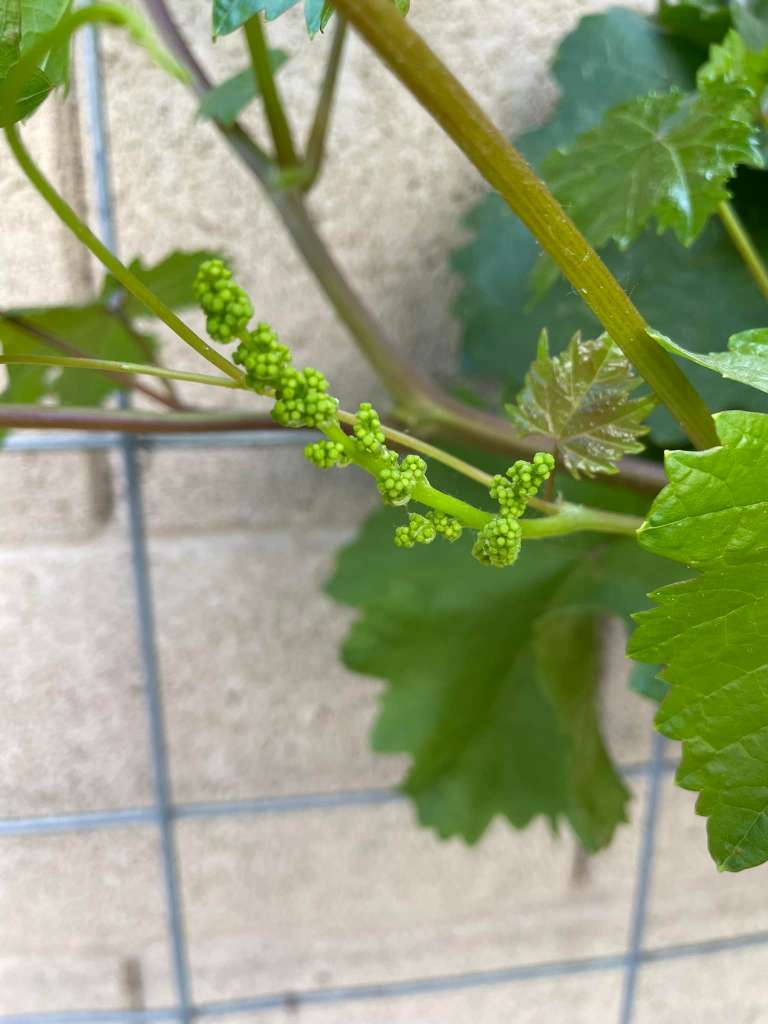
Choosing the right companion plants is key to maximizing the benefits of companion planting. Here are some of the best plants to grow alongside grapes:
- Garlic
Garlic is a fantastic companion plant for grapes due to its natural pest-repelling properties. It can help deter harmful insects such as aphids, spider mites, and Japanese beetles, which can be detrimental to grapevines.
Garlic also has antifungal properties, which can prevent mildew and other fungal diseases that often plague grapevines.
Plant garlic around the base of grapevines or in between rows. It also has the benefit of not taking up too much space and can be harvested and used in the kitchen.
- Chives
Chives, like garlic, belong to the allium family and offer similar pest-repelling benefits. Their strong scent helps deter aphids and other insect pests.
They can also enhance the flavor of nearby plants, including your grapes. Chives are easy to grow and don’t require much space, making them a perfect companion for grapes.
- Lavender
Lavender is an aromatic herb that attracts pollinators while repelling unwanted pests, including moths, fleas, and aphids. Its fragrant flowers also attract bees and butterflies, which are essential for pollination.
Lavender’s ability to tolerate dry conditions makes it a good companion for grapes, which also prefer well-drained, slightly dry soil.
- Nasturtium
Nasturtiums are known for their vibrant, edible flowers and their ability to attract beneficial insects while repelling pests such as aphids, whiteflies, and cucumber beetles.
The leaves of nasturtiums contain compounds that can help deter harmful insects, and their trailing vines can provide ground cover, reducing weed growth around grapevines.
- Oregano
Oregano is another herb that can benefit grapevines. It acts as a ground cover, which helps retain soil moisture and reduce weeds.
Oregano also attracts beneficial insects like bees and butterflies, which are vital for pollination. Its pungent aroma also helps repel pests, particularly ants and aphids.
- Clover
Clover is a nitrogen-fixing plant, meaning it can naturally improve soil fertility by adding nitrogen to the soil.
This is beneficial for grapevines, which require good soil nutrients for healthy growth. Clover also acts as a ground cover, helping to prevent soil erosion, retain moisture, and reduce weed growth.
- Mint
Mint, with its strong aroma, is another excellent pest deterrent. It repels aphids, ants, and flea beetles, all of which can damage your grapevines.
However, be careful when planting mint, as it can spread rapidly and may take over your garden. To control its growth, plant mint in containers or confined areas.
- Marigold
Marigolds are well-known for their ability to repel various pests, including nematodes, aphids, and whiteflies.
Their vibrant flowers also attract beneficial pollinators, contributing to the overall health of your vineyard. Marigolds are easy to grow and add a splash of color to your garden.
Plants to Avoid Planting Near Grapes
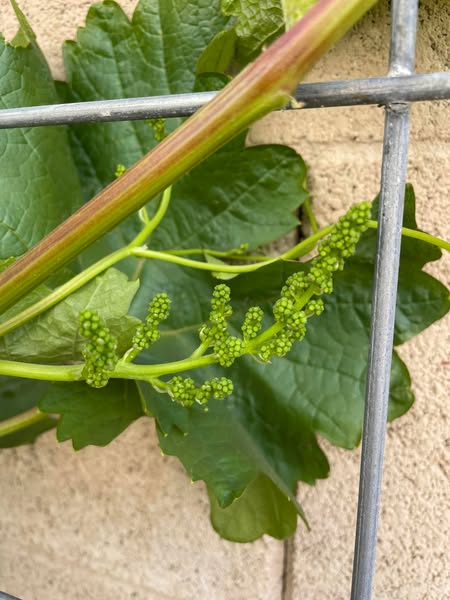
While companion planting can be beneficial, it’s equally important to know which plants to avoid planting near your grapevines.
Some plants can compete for nutrients, harbor pests, or inhibit grapevine growth. Here are a few plants to steer clear of:
- Fennel (Foeniculum vulgare)
Fennel is known to be allelopathic, meaning it can release chemicals that inhibit the growth of nearby plants, including grapes.
It can also attract pests that are harmful to grapevines, such as aphids and caterpillars. It’s best to keep fennel away from your grapevines.
- Tomatoes (Solanum lycopersicum)
Tomatoes, like grapes, are part of the nightshade family. Growing them together can lead to competition for nutrients and space.
Additionally, nightshades are prone to the same fungal diseases, which can easily spread between the plants.
- Cabbage Family (Brassica spp.)
Cabbage, broccoli, and other members of the brassica family can compete with grapevines for nutrients. These plants are also known to attract aphids, which can damage grapevines. It’s best to plant brassicas far from grapevines to prevent these issues.
- Potatoes (Solanum tuberosum)
Like tomatoes, potatoes are also part of the nightshade family and can attract similar pests. They also require a lot of nutrients, which may deplete the soil around grapevines, leaving them undernourished.
Tips for Growing Companion Plants with Grapes
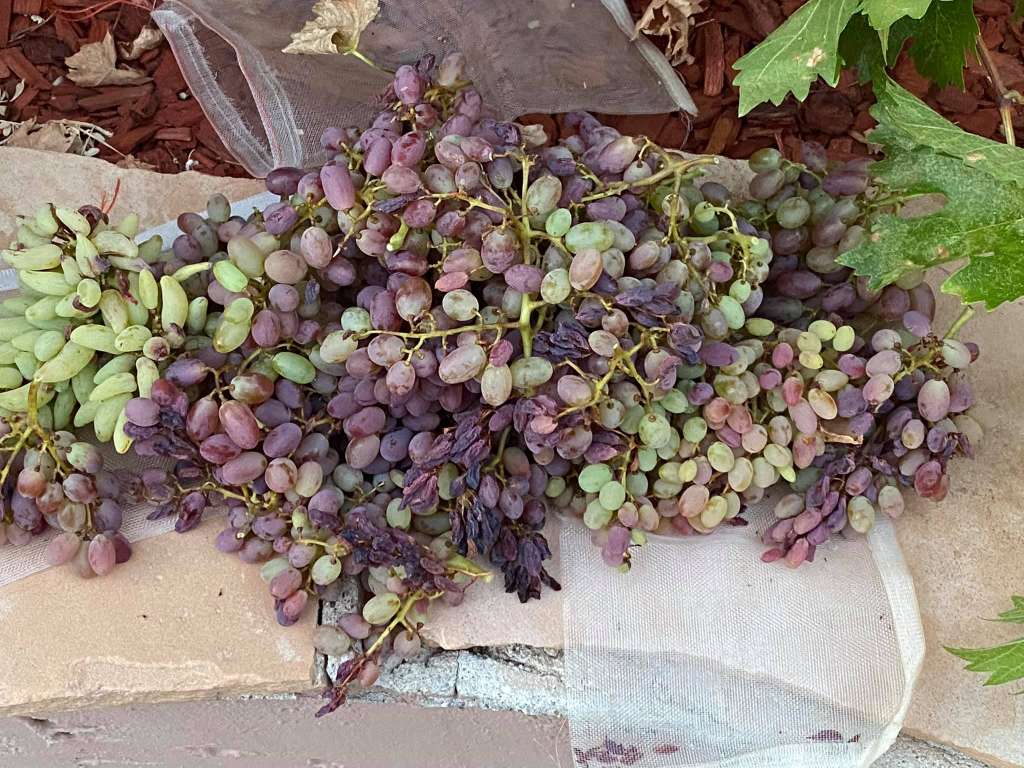
When planting companion plants with your grapevines, keep the following tips in mind to ensure success:
- Consider Growing Zones: Ensure that the companion plants you choose have similar growing conditions to your grapes, such as light, water, and temperature preferences.
- Space Them Appropriately: Avoid overcrowding by planting companion plants at appropriate distances from grapevines. Grapevines need adequate space for air circulation and sunlight, so make sure companion plants do not block their growth.
- Rotate Your Plants: Practice crop rotation if you’re growing annual companion plants like garlic, chives, or oregano. This helps prevent soil depletion and reduces the risk of pests and diseases.
- Mulch and Watering: Use mulch to retain moisture and suppress weeds. Water your companion plants regularly, but avoid over-watering as grapes prefer well-drained soil.
- Monitor for Pests: While companion plants help deter pests, they may not eliminate them entirely. Keep an eye on your vineyard for signs of pest infestations and take action as needed.
Conclusion
Companion planting is a natural and effective way to enhance the health and productivity of your grapevines. By choosing the right plants to grow alongside your grapes, you can create a thriving ecosystem that reduces pests, improves soil health, and boosts overall growth.
Remember to consider your local growing conditions, space requirements, and the specific needs of your grapevines and companion plants to ensure success. With the right combinations, your vineyard will be healthier, more productive, and more sustainable for years to come.
Sign up to get our FREE weekly emails
Gardening guides, tips, & videos delivered right to your inbox!