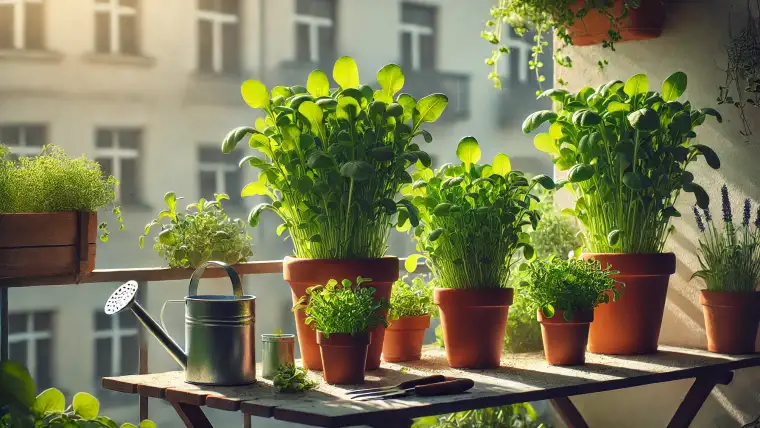
Growing pears in containers offers numerous benefits, making it an ideal choice for gardeners with limited space or poor soil conditions. Containers provide better control over soil quality, moisture levels, and sunlight exposure, ensuring optimal growing conditions for pear trees. They are portable, allowing you to move them to sunnier spots or protect them during harsh weather.
Container gardening as well reduces the risk of soil-borne diseases and pests, promoting healthier growth. In addition, dwarf and semi-dwarf varieties thrive in containers, enabling urban gardeners to enjoy fresh, homegrown pears even on balconies or patios. This approach offers flexibility, convenience, and the satisfaction of sustainable gardening.
Growing Pears in Pots

Growing pears in containers is a rewarding and space-efficient way to enjoy fresh fruit, even if you don’t have a large garden. This guide will walk you through the entire process, from selecting the right pear variety to caring for your container-grown tree.
1. Choosing the Right Pear Variety
Not all pear trees are suitable for container growing. Opt for dwarf or semi-dwarf varieties that are bred for smaller spaces and have manageable root systems. Popular choices include:
- Dwarf Bartlett: Sweet, juicy pears; great for eating fresh or preserving.
- Parker: Hardy and produces flavorful fruit.
- Conference: A reliable variety for smaller spaces with elongated, sweet pears.
- Shinseiki (Asian pear): Crisp, apple-like texture with a sweet taste.
2. Selecting the Right Container
Choose a container that meets the following criteria:
- Size: At least 18-24 inches in diameter and 20-24 inches deep to accommodate the root system.
- Material: Use terracotta, plastic, or wooden containers. Ensure it’s lightweight if you plan to move it frequently.
- Drainage: Ensure there are adequate drainage holes to prevent waterlogging, which can lead to root rot.
3. Preparing the Soil
Pears prefer well-draining, nutrient-rich soil. For container growing:
- Use a high-quality potting mix (not garden soil, which can compact in pots).
- Mix in compost or well-rotted manure for organic matter.
- Ensure the soil pH is between 6.0 and 7.0 for optimal growth.
4. Planting the Pear Tree
Steps:
- Choose a sunny spot: Pears need at least 6-8 hours of sunlight daily.
- Fill the container halfway with soil mix.
- Remove the tree from its nursery pot and gently loosen the roots.
- Place the tree in the container, ensuring the graft union (the bulge above the roots) is 2 inches above the soil line.
- Backfill with soil mix, firming it gently around the roots.
- Water thoroughly to settle the soil.
5. Supporting Your Pear Tree
- Stake your tree: Use a sturdy stake to support the young tree and prevent it from leaning, especially in windy areas.
- Tie gently: Secure the tree to the stake with soft ties, allowing room for trunk growth.
6. Watering
Container-grown pears require consistent watering as the soil dries out faster in pots:
- Water deeply once the top inch of soil feels dry.
- Reduce watering in winter when the tree is dormant, but ensure the soil doesn’t dry out completely.
7. Fertilizing
Feed your pear tree regularly to support growth and fruit production:
- Use an organic fertilize in early spring before new growth starts.
- Reapply fertilizer every 6-8 weeks during the growing season.
- Incorporate a potassium-rich fertilizer in late summer to encourage fruit development.
8. Pruning and Maintenance
Pruning is essential for maintaining the tree’s size and health:
- Winter pruning: Remove dead or diseased branches and shape the tree to promote good airflow.
- Summer pruning: Trim back excessive growth to control size and redirect energy to fruit production.
9. Pollination
Most pear trees require cross-pollination for fruit set:
- Plant two compatible varieties in separate containers, or place your tree near other pear trees.
- Encourage pollinators by planting flowers nearby, or hand-pollinate using a soft brush to transfer pollen between blossoms.
10. Protecting Your Tree
Pests and Diseases
- Common pests: Aphids, pear psylla, and spider mites. Use neem oil or insecticidal soap as needed.
- Diseases: Watch for fire blight and rust. Remove infected parts promptly and maintain good airflow around the tree.
Weather Protection
- Move the container to a sheltered location during extreme weather (e.g., frost or heavy winds).
- Insulate the pot in winter by wrapping it with burlap or bubble wrap to protect the roots from freezing.
11. Harvesting Pears
- Pears ripen best off the tree. Harvest them when they are firm and their color changes slightly.
- Store pears in a cool, dry place to ripen, checking periodically for readiness.
12. Repotting
Every 2-3 years, repot your pear tree to refresh the soil and avoid root-bound issues:
- Gently remove the tree and prune the roots if necessary.
- Place it back in the same container (or a slightly larger one) with fresh soil.
FAQ
Sign up to get our FREE weekly emails
Gardening guides, tips, & videos delivered right to your inbox!