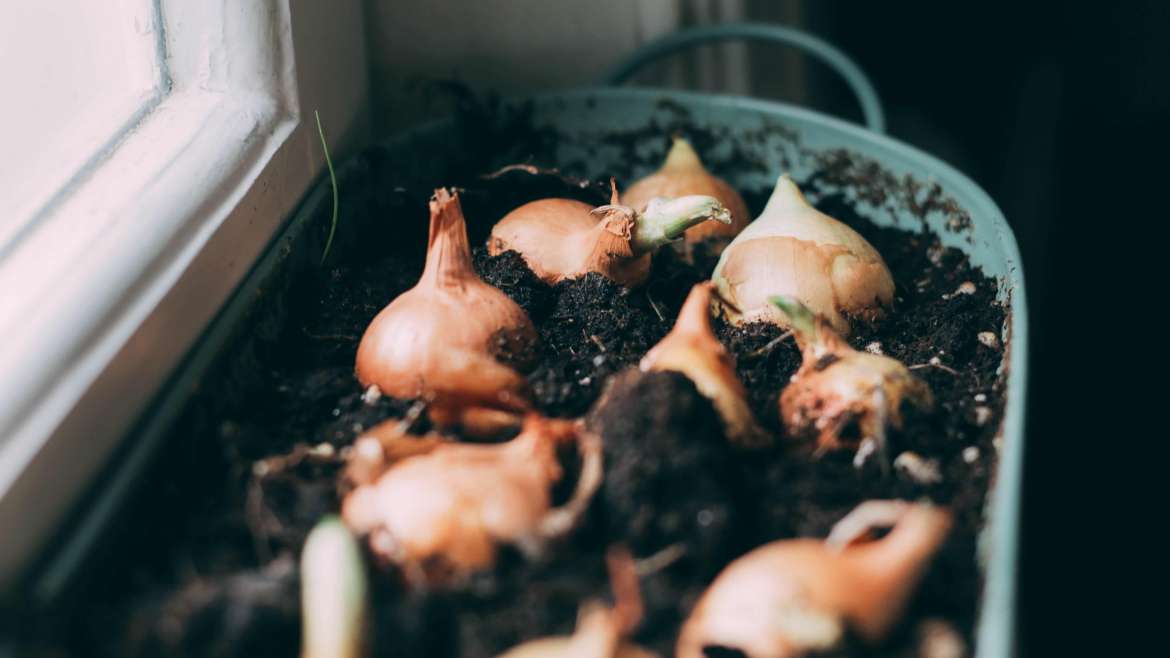
Growing onions in containers offers several benefits, making it an excellent option for small spaces and urban gardening. Containers provide better control over soil quality, allowing gardeners to ensure optimal drainage and nutrient levels for onion growth. They also help prevent common pests and diseases that often affect onions grown in the ground.
Container gardening makes it easy to relocate plants to follow sunlight and avoid harsh weather conditions. In addition, growing onions in pots allows for efficient space use, and with proper care, they can produce a steady supply of fresh onions even in confined areas like balconies or patios.
How to Grow Onions in Containers

Onions are a versatile and essential ingredient in many dishes, and the good news is that they are relatively easy to grow in pots.
Growing onions in a pot is ideal for those with limited garden space, whether on a balcony, patio, or indoors. Check out this comprehensive guide on how to grow onions in containers successfully.
1. Choosing the Right Onion Variety
There are different varieties of onions you can grow in containers:
- Bulb Onions: These can be yellow, red, or white onions. Choose short-day onions for southern regions or long-day onions for northern regions.
- Bunching Onions: Also known as scallions or green onions, they do not form bulbs and are easier to grow in limited spaces.
- Shallots: Small, mild-flavored onions that grow well in containers.
2. Selecting the Container
The container you choose is critical to the growth of your onions:
- Size: Onions have shallow roots but need space for the bulbs to grow. A container with a depth of at least 10-12 inches is ideal.
- Material: Clay, plastic, or fabric pots all work, but fabric grow bags are excellent for drainage and root aeration.
- Drainage: Ensure the container has good drainage holes. Onions need well-drained soil to avoid root rot.
3. Soil Preparation
Onions thrive in well-draining, nutrient-rich soil:
- Soil Mix: Use a high-quality potting mix with good aeration and organic matter. Mix in compost or well-rotted manure for added nutrients.
- pH Level: The soil should be slightly acidic to neutral, with a pH range between 6.0 and 7.0.
- Fertilizer: Add a slow-release fertilizer at the start, or use a balanced 10-10-10 fertilizer (nitrogen, phosphorus, and potassium) for better growth.
4. Planting Onions in Containers
- Seeds vs. Sets: Onions can be grown from seeds, sets (small onion bulbs), or transplants. Sets are easier and faster for beginners, but seeds offer more variety.
- Planting Depth:
- For seeds: Sow them about ¼ inch deep and 1-2 inches apart.
- For sets: Plant them 1 inch deep with the pointed end facing up, about 3-4 inches apart.
- Spacing: Space your onions about 3-4 inches apart to give them enough room to develop into full-sized bulbs. If growing scallions, you can space them closer (1-2 inches apart).
- Watering After Planting: Water the onions gently after planting, ensuring the soil stays moist but not waterlogged.
5. Caring for Onions in Containers
- Watering: Onions need consistent moisture. Water when the top inch of soil feels dry. Avoid overwatering, as it can lead to root rot. Containers tend to dry out faster than garden beds, so check moisture levels regularly.
- Sunlight: Onions require full sun, at least 6-7 hours per day. Place your container in a sunny spot like a patio, balcony, or near a sunny window if indoors.
- Fertilizing: Every 3-4 weeks, apply a liquid fertilizer or side-dress with compost. High-nitrogen fertilizers encourage green growth, but once the bulbs start forming, switch to a fertilizer higher in phosphorus and potassium.
- Mulching: Adding mulch around your onions can help retain moisture and reduce weeds.
6. Dealing with Pests and Diseases
- Common Pests: Look out for onion maggots, aphids, and thrips. Use organic insecticidal soap or neem oil to control infestations.
- Diseases: Watch for signs of fungal diseases like downy mildew or onion white rot. Ensure good air circulation by not overcrowding your container, and avoid overhead watering.
7. Harvesting Onions
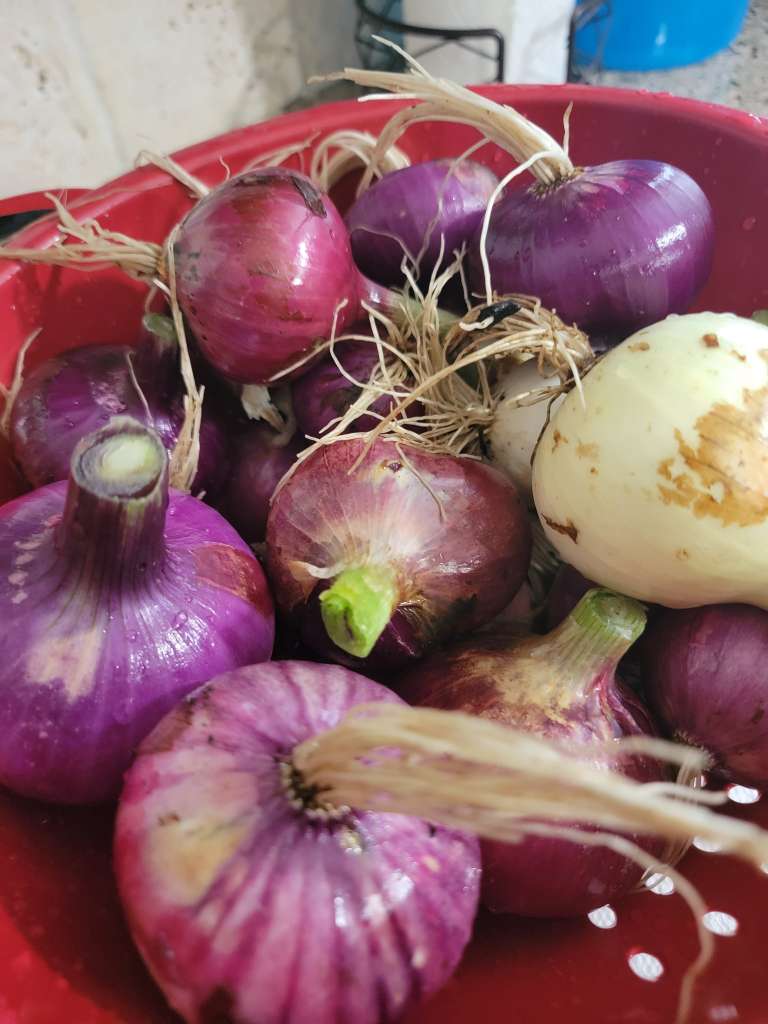
- Bulb Onions: Onions are ready to harvest when the tops start to yellow and fall over. This usually occurs about 90-120 days after planting. Gently pull the onions from the soil and allow them to dry or “cure” in a warm, dry spot for a few weeks before storing.
- Green Onions (Scallions): You can begin harvesting scallions when they reach about 6 inches tall, usually 60-80 days after planting.
- Shallots: Harvest shallots when their tops start to fall over and die back. Gently pull them and cure them like bulb onions.
8. Storage
- Bulb Onions: After curing, store onions in a cool, dry, and well-ventilated place. They can last for several months.
- Scallions: Scallions should be used fresh but can be refrigerated for up to a week.
- Shallots: Store in a similar way to bulb onions; they can last several months when stored properly.
9. Tips for Success
- Rotation: Avoid planting onions in the same soil year after year to reduce the risk of diseases.
- Companion Planting: Onions grow well with carrots, lettuce, and beets, but avoid planting them with beans or peas.
- Winter Growing: In warmer climates or indoors, onions can be grown throughout the year. If growing in colder regions, protect the containers from frost or bring them indoors.
FAQ
Yes, onions can be grown in pots. They are well-suited for container gardening as long as you provide the right conditions like proper sunlight, soil, and drainage.
Onions prefer well-drained, loose, and fertile soil. A high-quality potting mix enriched with compost is ideal. Avoid soil that holds too much moisture, as onions don’t do well in soggy conditions.
Water your onions consistently, keeping the soil moist but not waterlogged. Water when the top inch of soil feels dry, and ensure your pot has good drainage to avoid water buildup.
Onions take anywhere from 90 to 120 days to fully mature, depending on the variety. However, you can also harvest them earlier as green onions or scallions.
Onions are ready to harvest when the tops turn yellow and fall over. After this happens, you can pull them up, let them dry for a few days, and then store them.
Sign up to get our FREE weekly emails
Gardening guides, tips, & videos delivered right to your inbox!