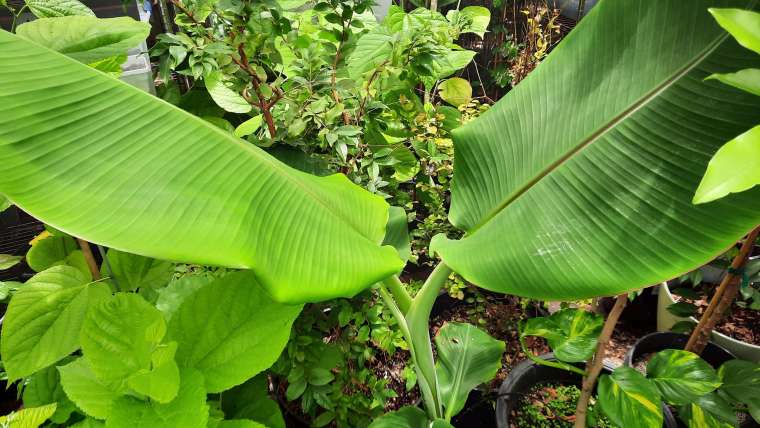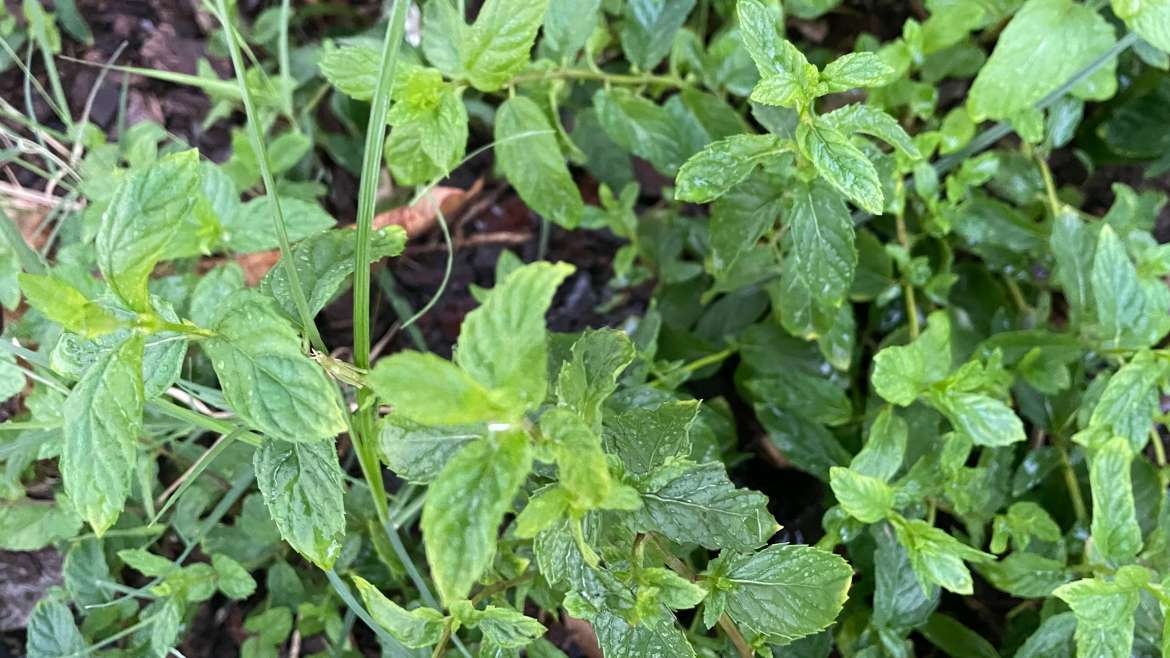
Growing mint in pots comes with so many benefits, making it a practical choice for gardeners. Mint is an invasive plant that spreads quickly, so container gardening helps keep it contained and prevents it from overtaking other plants in your garden. Pots allow you to control soil quality, moisture levels, and sunlight exposure, ensuring optimal growth.
Additionally, potted mint can be moved indoors during colder months, allowing for year-round access to fresh herbs. It’s also low-maintenance and adds a touch of greenery to patios, balconies, or windowsills. With easy access, you can quickly harvest mint for teas, culinary dishes, or natural remedies, making it both functional and decorative.
How to Grow Mint in Containers

Mint is an easy-to-grow herb that thrives in containers. Here we provide you with a step-by-step guide to help you successfully grow and enjoy mint in pots, whether on your windowsill, balcony, or garden.
1. Choosing the Right Mint Variety
There are many types of mint to choose from, each with unique flavors and fragrances:
- Spearmint: Great for cooking and teas.
- Peppermint: Stronger flavor, ideal for desserts and herbal teas.
- Chocolate Mint: A subtle chocolate aroma, perfect for desserts.
- Apple Mint: Mild and fruity, good for salads and beverages.
2. Selecting the Pot and Location
- Size: Choose a pot with a minimum of 12 inches (30 cm) diameter since mint grows rapidly.
- Material: Clay, ceramic, or plastic pots work well. Ensure it has drainage holes to prevent waterlogging.
- Location: Place the pot in partial shade to full sun. Mint prefers 4-6 hours of sunlight daily but can tolerate some shade.
Tip: Mint spreads aggressively. Keeping it in a pot helps contain its growth and prevent it from invading other plants.
3. Soil Requirements
- Soil Type: Use well-draining soil or a potting mix enriched with organic matter.
- pH Range: Mint prefers slightly acidic to neutral soil (pH 6.0-7.0).
- Amendments: Add compost or perlite to improve drainage if needed.
4. Planting Mint
- Seeds or Cuttings?: While mint can grow from seeds, it’s easier and faster to grow from cuttings or young plants.
- Planting Steps:
- Fill the pot with the prepared potting mix, leaving a few inches at the top.
- Plant the mint at the same depth as it was in the nursery pot.
- Water thoroughly to settle the soil.
5. Watering Mint
- Frequency: Keep the soil consistently moist but not soggy. Water when the top inch of soil feels dry.
- Avoid Waterlogging: Ensure excess water drains from the pot to prevent root rot.
6. Fertilizing Mint
- Frequency: Fertilize once a month with a balanced liquid fertilizer diluted to half strength.
- Organic Alternatives: Use compost tea or fish emulsion for a natural nutrient boost.
7. Pruning and Harvesting Mint
- Pruning: Regular pruning encourages bushy growth. Pinch off the top leaves and flowers to prevent the plant from becoming leggy.
- Harvesting:
- Use scissors to snip sprigs just above a leaf node.
- Avoid removing more than one-third of the plant at a time to keep it healthy.
- Harvest frequently to keep the plant from flowering, which reduces flavor intensity.
8. Controlling Pests and Diseases
- Pests: Watch for aphids, spider mites, and whiteflies. Use insecticidal soap or neem oil if needed.
- Diseases: Mint is prone to rust and powdery mildew. Ensure good air circulation and avoid overwatering to prevent these issues.
9. Winter Care and Overwintering
- Indoors: Bring the pot indoors if your area has freezing winters. Place it near a sunny window.
- Outdoors: If kept outside, move the pot to a sheltered area and cover the soil with mulch to protect the roots.
10. Propagating Mint
Mint is easy to propagate:
- Stem Cuttings: Cut a 4-6 inch stem, remove the lower leaves, and place it in water. Roots will develop in about a week, and you can transplant it into soil.
- Division: Gently divide the root ball of an existing plant and replant the sections in new pots.
FAQ
Peppermint and spearmint are popular choices. Other varieties, like chocolate mint and lemon mint, also grow well in containers.
Water regularly to keep the soil moist but not waterlogged. Mint thrives with consistent moisture.
Prune regularly to encourage bushy growth. Snip off flowers if they appear to focus the plant’s energy on leaves.
Avoid overcrowding. Ensure good airflow to prevent fungal issues. Check for pests like aphids and treat them early.
Sign up to get our FREE weekly emails
Gardening guides, tips, & videos delivered right to your inbox!